

넷앱(NetApp)은 영국 맨체스터에 위치한 소프트웨어 회사 PEAK:AIO를 인수하기로 합의했습니다. 넷앱은 PEAK:AIO의 메타데이터 및 병렬 NFS 기술이 자사의 AI 인프라 로드맵을 가속화할 것이라고 밝혔습니다. 넷앱은 PEAK:AIO의 메타데이터 서비스와 병렬 네임스페이스 기술을 ONTAP과 결합하여 GPU 클러스터 확장에 맞춰 확장 가능한 공유 스토리지를 구축할 계획입니다. 넷앱은 이 아키텍처가 수조 개의 파일과 수 엑사바이트 규모의 배포를 지원하도록 설계되었다고 설명했습니다. 인수 조건은 공개되지 않았으며, 이번 거래는 통상적인 거래 완료 조건 및 규제 당국의 승인을 거쳐야 합니다.
넷앱의 CEO인 조지 쿠리안은 “AI 클라우드에는 조직이 의존하는 복원력, 보안 및 운영 간소화를 유지하면서 성장하는 GPU 클러스터와 함께 확장할 수 있는 고성능 공유 스토리지가 필요합니다.”라고 말했습니다. “PEAK:AIO를 통해 확장 가능한 메타데이터 서비스와 검증된 ONTAP 기반을 결합하여 고객이 인프라 효율성을 극대화하고 하이퍼스케일 클라우드에서 AI를 지원할 수 있도록 하는 차세대 AI 인프라에 대한 비전을 실현하고 있습니다.”
자체적으로 확장 가능한 메타데이터
NetApp은 메타데이터와 데이터를 분리하여 메타데이터 서비스가 용량과 독립적으로 확장될 수 있도록 하는 아키텍처를 설명합니다. PEAK:AIO는 대규모 병렬 워크로드를 위한 메타데이터 확장성, 글로벌 네임스페이스 및 병렬 NFS 액세스를 제공하며, NetApp은 고객이 이미 보유하고 있는 복원력, 보안 및 운영 성숙도를 바탕으로 ONTAP을 데이터 기반으로 제공합니다. NetApp은 이러한 결합을 통해 데이터 관련 GPU 지연을 줄이고 기존 ONTAP 고객에게 명확한 진화 경로를 제공하기 위한 것이라고 밝혔습니다.
PEAK:AIO의 메타데이터 작업 중 가장 중요한 것은 pNFS Lattice 입니다 . pNFS Lattice는 NFSv4.2 및 pNFS Flex 파일을 위한 오픈 소스 확장형 메타데이터 서버로, PEAK:AIO가 로스앨러모스 국립 연구소 및 카네기멜론 대학교와 협력하여 개발을 시작하고 리눅스 재단의 지원을 받아 공개했습니다. Lattice는 메타데이터 관리, 프로토콜 조정 및 데이터 배치를 별도의 계층으로 분리합니다. 여러 사용자 공간 메타데이터 서버 데몬이 RonDB 메타데이터 저장소를 공유하고, 클라이언트는 표준 NFSv4 리퍼럴을 통해 올바른 메타데이터 서버에 연결되며, 데이터 서버는 TCP 또는 RDMA를 통해 플렉스 파일 레이아웃을 제공하는 패치가 적용되지 않은 Linux knfsd 인스턴스입니다. 코드는 MIT 라이선스 하에 GitHub에 공개되어 있으며, RonDB에 링크하는 하나의 GPL-2.0 파일이 포함되어 있습니다. PEAK:AIO는 이 버전을 연구, 개발 및 테스트를 위한 초기 릴리스로 분류하며, 프로덕션 환경에서의 사용은 권장하지 않습니다. LANL과 PEAK:AIO는 9월 28일부터 30일까지 산타클라라에서 열리는 SNIA 개발자 컨퍼런스에서 Lattice를 발표할 예정이며, LANL의 Gary Grider가 진행하는 Birds of a Feather 세션도 포함됩니다.
PEAK:AIO의 CTO이자 창립자인 마크 클라진스키는 “NetApp과 PEAK:AIO는 AI 시대가 데이터 인프라에 대한 근본적으로 새로운 접근 방식을 요구한다는 공통된 믿음을 바탕으로 연결되었습니다.”라고 말하며, “NetApp에 합류하게 되어 가장 기대되는 점은 혁신적인 기업 문화를 글로벌 리더의 영향력, 규모, 그리고 고객 신뢰와 결합할 수 있는 기회입니다.”라고 덧붙였습니다.
PEAK:AIO의 성능을 살펴본 결과
저희는 수년간 PEAK:AIO를 면밀히 관찰해 왔으며, 공통적인 특징은 표준 서버를 최대한 활용하는 소프트웨어라는 점입니다. 2023년에는 PEAK:AIO의 AI 데이터 서버가 단일 스토리지 노드에서 80GB/s의 처리량을 달성했습니다. 2024년에는 런던 동물원을 방문하여 런던 동물학회가 야생 동물 모니터링을 위해 1.2PB 용량의 PEAK:AIO 스토리지를 사용하는 두 대의 NVIDIA DGX 시스템을 살펴보았고, MONAI 및 Solidigm 과의 협력을 통해 병원 내에 의료 AI를 구축하는 프로젝트를 취재했습니다. 2025년에는 Dell 하드웨어와 Solidigm 61TB SSD를 사용하여 1.5PB 용량과 120GB/s 처리량을 제공하는 2U AI 데이터 서버를 테스트했으며 , 이어서 KV 캐시 재사용을 위한 CXL 기반 토큰 메모리 플랫폼을 테스트 했습니다.
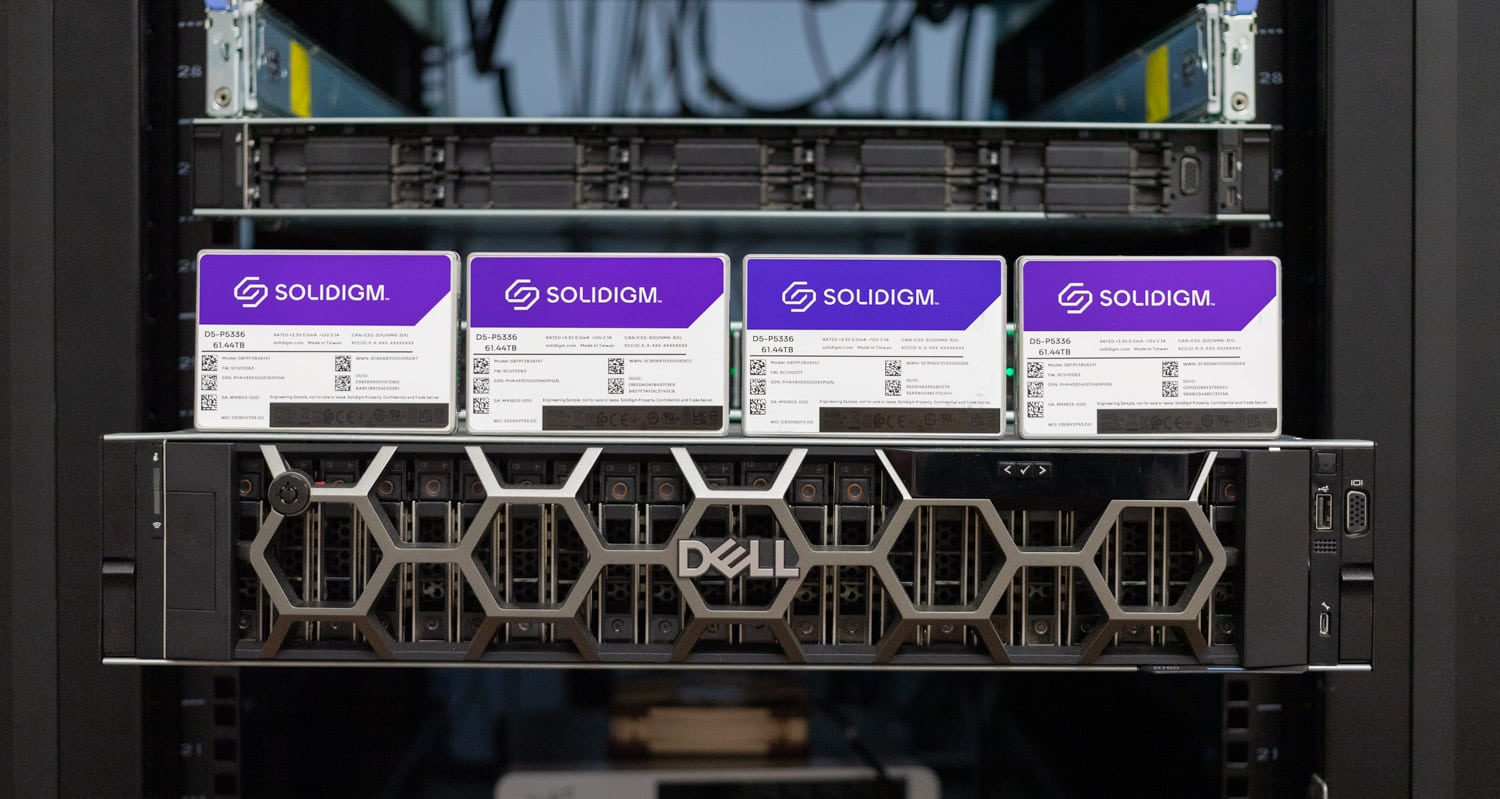
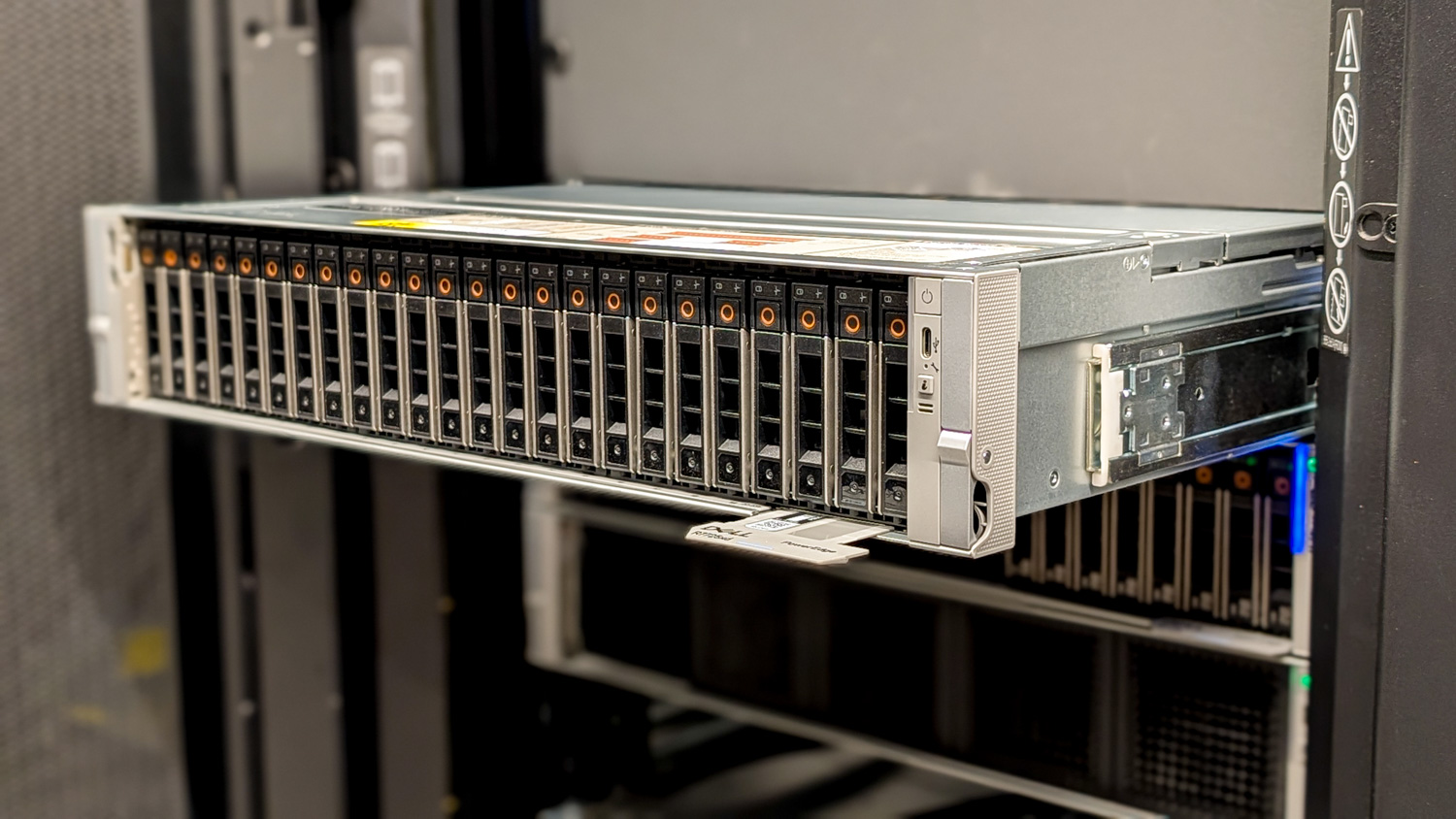
저희 Dell PowerEdge R7725xd 리뷰 에서 서버는 24개의 Gen5 NVMe 드라이브에서 로컬로 300GB/s 이상의 속도를 유지했으며, PEAK:AIO는 4개의 200Gb 링크를 통해 두 클라이언트에 NVMe-oF RDMA 방식으로 160GB/s의 속도를 제공했습니다. 랜덤 읽기 대역폭은 32K 블록부터 순차적으로 추적되었습니다. 또한 NVIDIA DGX Spark 리뷰 를 위해 PEAK:AIO를 사용하여 NVMe-oF 타겟을 구축했습니다 . Brian이 SC25에서 Klarzynski와 함께 진행한 팟캐스트 #144 에서 그는 PEAK:AIO가 대형 벤더의 제품 라인에 통합되는 대신 독립적인 제품으로 유지되는 점과 고객이 GPU 서버에서 스토리지를 시작하고 AI 프로젝트의 성과가 입증됨에 따라 네임스페이스를 확장하는 모델에 대해 이야기했습니다. NetApp의 이번 릴리스는 바로 이러한 메타데이터 및 네임스페이스 작업에 중점을 두고 있습니다.
PEAK:AIO의 CEO인 로저 커밍스는 이번 계약을 발표하는 링크드인 게시물에서 회사의 접근 방식을 명확하게 설명했습니다. "우리는 기술부터 시작해서 해결해야 할 문제를 찾아 나서는 방식이 아니었습니다. 고객이 겪고 있는 문제에서 출발하여 그 문제를 중심으로 구축해 나갔습니다."
넷앱이 나아갈 방향
넷앱은 작년 10월, 네이티브 병렬 아키텍처를 갖춘 분산형 스토리지 시스템과 AI 데이터 엔진을 결합한 AFX AI 포트폴리오를 출시했습니다. 그리고 7월에는 데이터가 이미 저장된 위치에서 GPU 데이터 처리를 실행하기 위해 DataPelago를 인수했는데 , 이로써 PEAK:AIO는 약 두 달 만에 넷앱이 인수한 두 번째 AI 관련 기업이 되었습니다. 넷앱은 PEAK:AIO의 기술이 어디에 먼저 통합될지는 밝히지 않았지만, 독립적으로 확장 가능한 메타데이터 서비스, 글로벌 네임스페이스, ONTAP 앞에 배치되는 병렬 NFS 액세스는 AFX의 분산형 설계와 자연스럽게 어울릴 것으로 보입니다.
이번 거래가 마무리됨에 따라 NetApp이 Lattice 개발을 공개적으로 계속 진행할지 여부를 주목할 것입니다. Lattice는 MIT 라이선스를 받은 신생 프로젝트로, LANL 엔지니어들이 이번 달 SDC에서 발표할 예정입니다. PEAK:AIO는 단일 GPU 서버 뒤에 대규모 어레이를 구축하기에는 비용 부담이 큰 병원, 대학 및 연구소에서 인기를 얻었으며, NetApp의 이번 릴리스는 하이퍼스케일 AI 클라우드에 초점을 맞추고 있으므로 양측의 결과가 어떻게 나타날지 지켜볼 가치가 있습니다. 우리는 PEAK:AIO가 구축한 기술을 높이 평가하며, NetApp의 영업망과 ONTAP 설치 기반은 PEAK:AIO 단독으로는 도달할 수 없었던 훨씬 더 많은 데이터 센터로의 진출 경로를 제공할 것입니다.



 아마존
아마존