

Random-access memory (RAM) is the component that stores data and machine code before it becomes processed. It is one of the most important pieces of hardware inside a computer system and is found in everything from desktop PCs, laptops, phones, and tablets to servers, smartwatches, and even alarm systems.
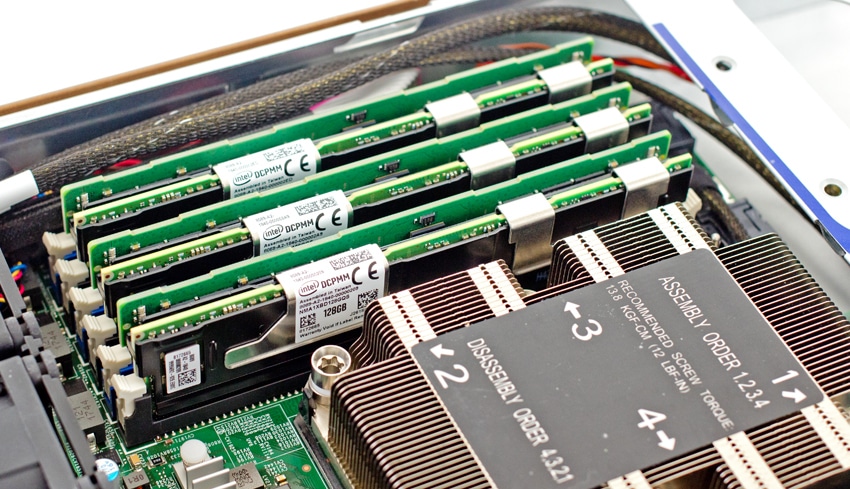
The most common reference to RAM is inside a desktop computer or server, which is specifically called DDR SDRAM (Double Data Rate Synchronous Dynamic RAM) and is installed as memory modules via DIMMs (dual in-line memory modules). This type of RAM stores data from operating systems and applications so that it can be quickly and easily accessed by the computer’s processor. The DDR4 interface is the latest variant of memory in computing.
In current desktop PC or laptop builds, 8GB of RAM seems to be sufficient for the everyday user. However, hardcore gamers or those who like to have multiple applications or browser windows running prefer to have at least 16GB to ensure that system slowdowns or crashes don’t happen. Those who need beyond the 16GB point are usually in professional graphics or video editing fields, while many high-end gaming systems include 32GB of RAM. Enterprise servers often use 256GB of RAM or more to deliver responsive applications to end users.
A new technology call persistent memory (PMEM), also uses DIMM slots on server boards or desktop boards that use the latest Intel server CPUs.


 Amazon