StorageReview.com

Enterprise AI Reviews

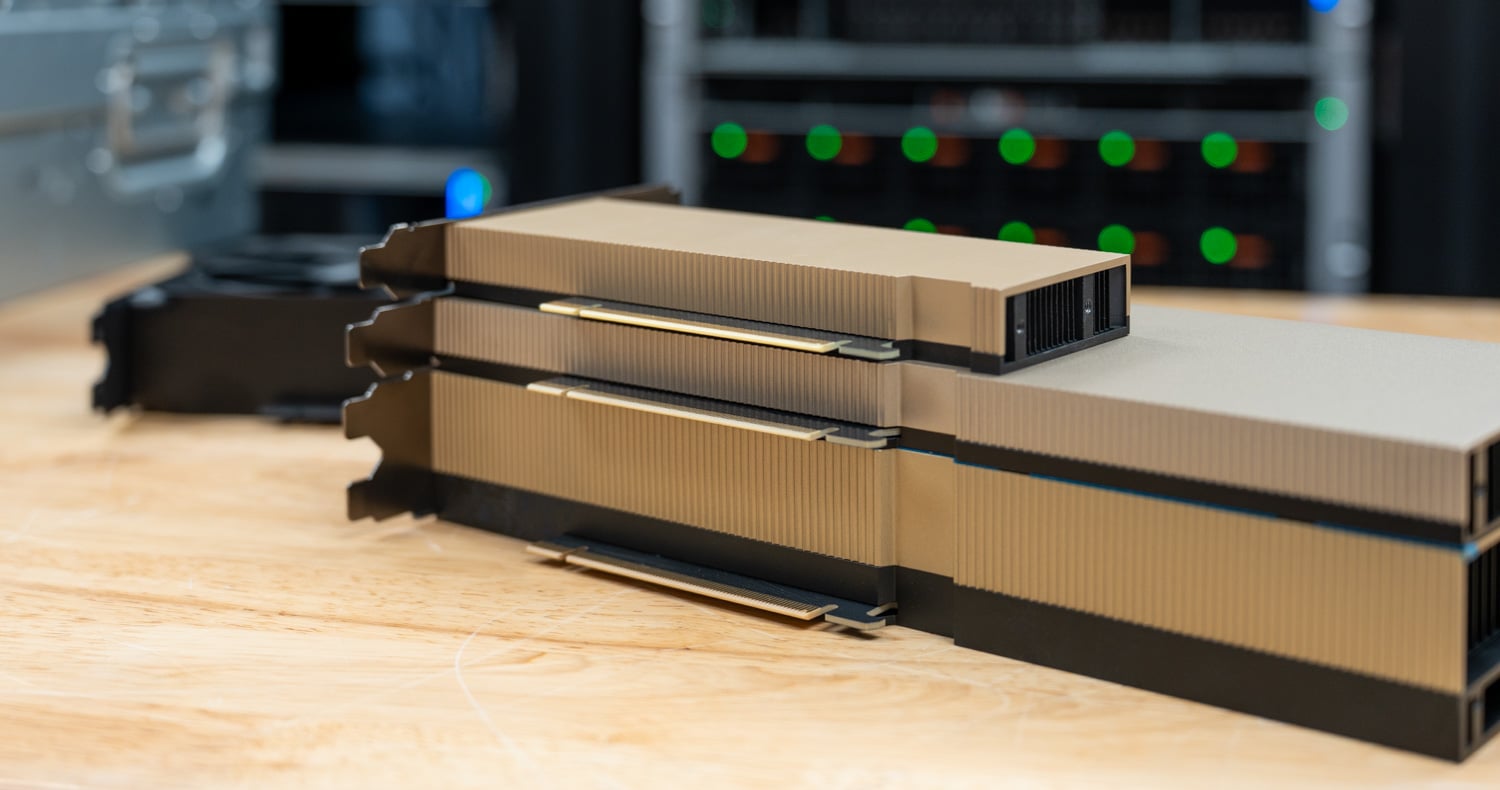
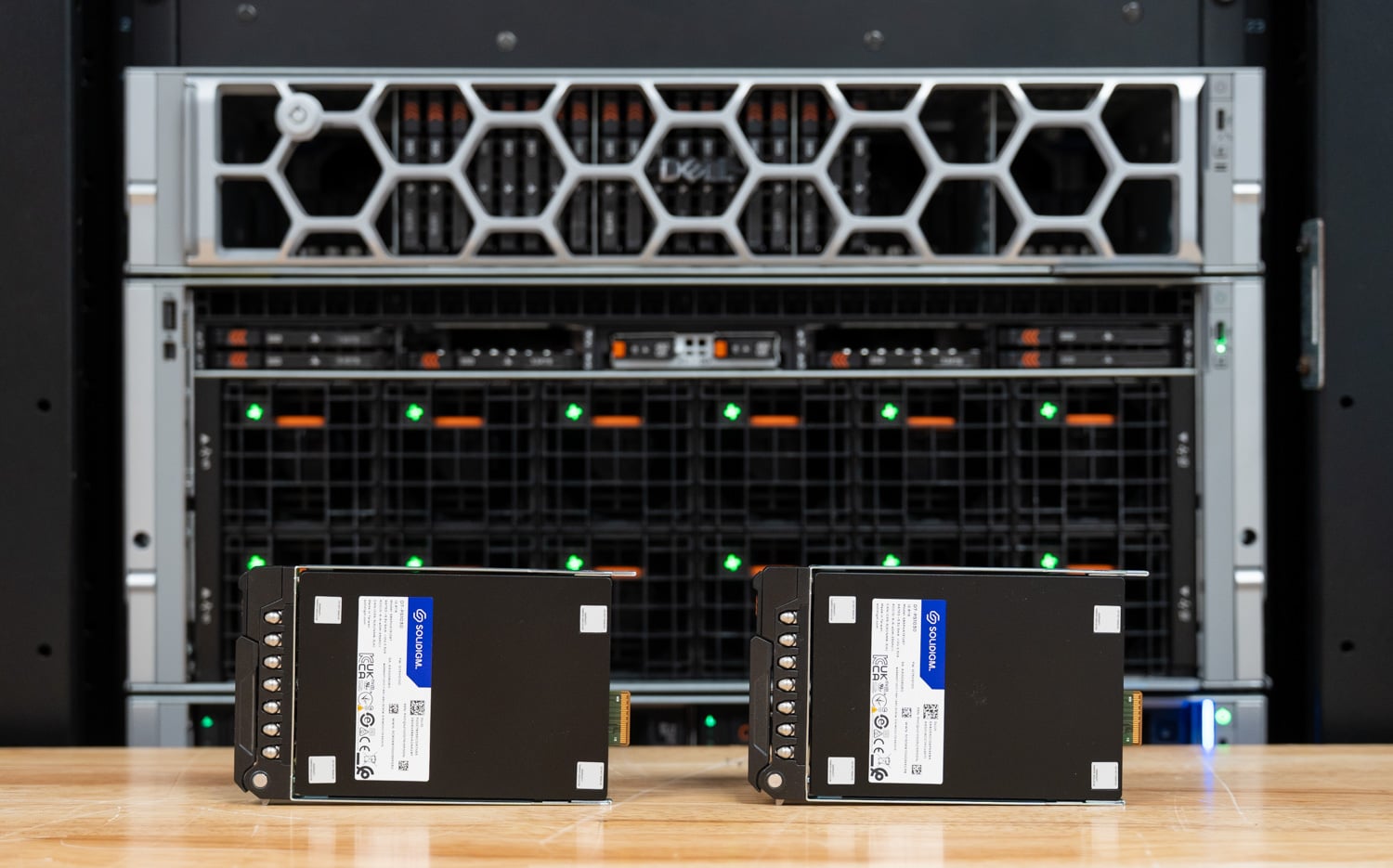
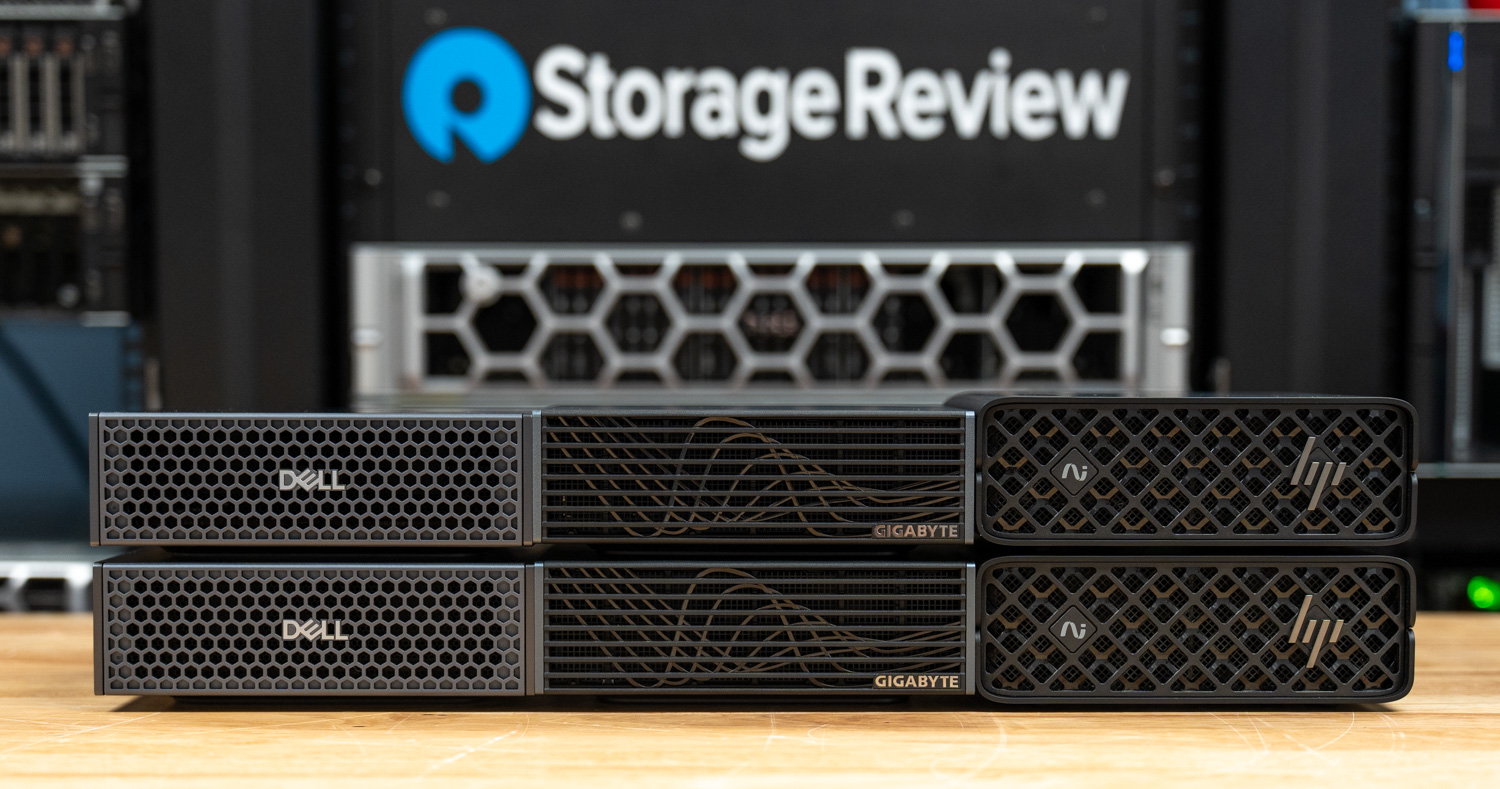
Our current AI system reviews center on inference serving in the lab, with open-weight models from the Llama, Qwen, DeepSeek, and gpt-oss families running through vLLM or SGLang and measured on output throughput and first-token latency. Coverage runs from the edge to the full GPU node: the NVIDIA RTX PRO 4500 Server Edition delivered a median 2.7x the output tokens per second of the L4 it was built to replace inside an HPE ProLiant DL145 Gen11, for about 105W more at the wall; the Dell, GIGABYTE, and HP versions of DGX Spark ran distributed inference as two-node clusters over the 200 Gb fabric; and Supermicro JumpStart gave us hands-on time with an NVIDIA HGX B200 and an AMD Instinct MI350X system. Storage gets the same treatment because the data path decides how busy those GPUs stay, so we measure GPUDirect Storage throughput with GDSIO and test KV cache offload to flash for long-context and agentic workloads.

If you are sizing hardware for AI, the Best Servers page names our current AI inference and edge picks on the data from these reviews, Best Enterprise SSDs covers the drives that keep the GPUs fed, and Best Storage Arrays covers the AI storage platforms behind training clusters and neoclouds.


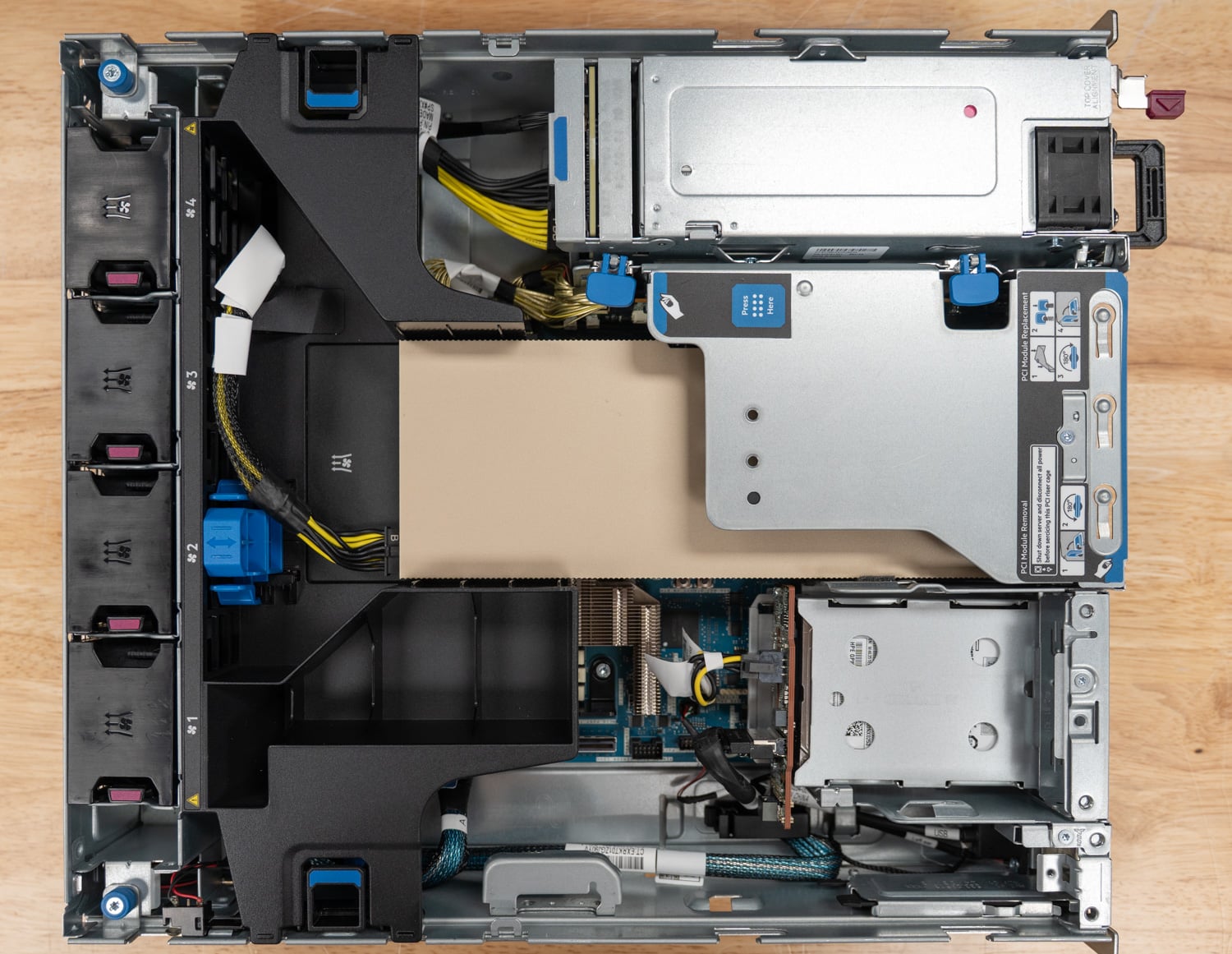
RTX PRO 4500 edge review: top-down view inside the HPE ProLiant DL145 Gen11 with the RTX PRO 4500 Server Edition installed on the full-height riser and its 16-pin power cable connected
AI  ◇  Enterprise

NVIDIA RTX PRO 4500 Edge Review: 2.7x the L4 Inside an HPE ProLiant DL145 Gen11

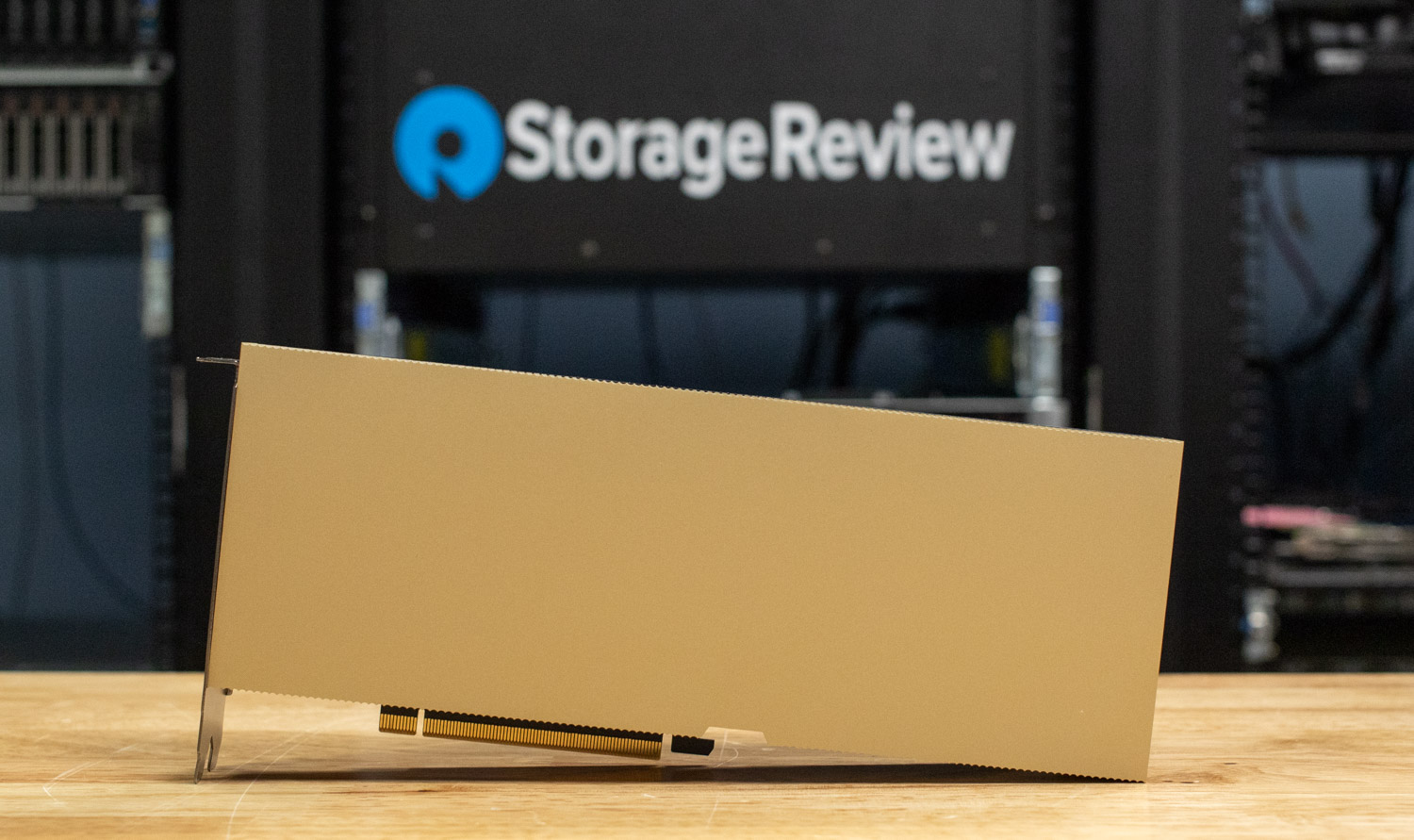
The NVIDIA RTX PRO 4500 Blackwell Server Edition is the card NVIDIA built primarily to replace the L4 in servers that live outside the data center: single-slot, PCIe Gen5, passively cooled, 165W, with 32GB of GDDR7 and the full Blackwell feature set, including FP4 Tensor Cores and Multi-Instance GPU. HPE sent us a ProLiant DL145

AI  ◇  Enterprise

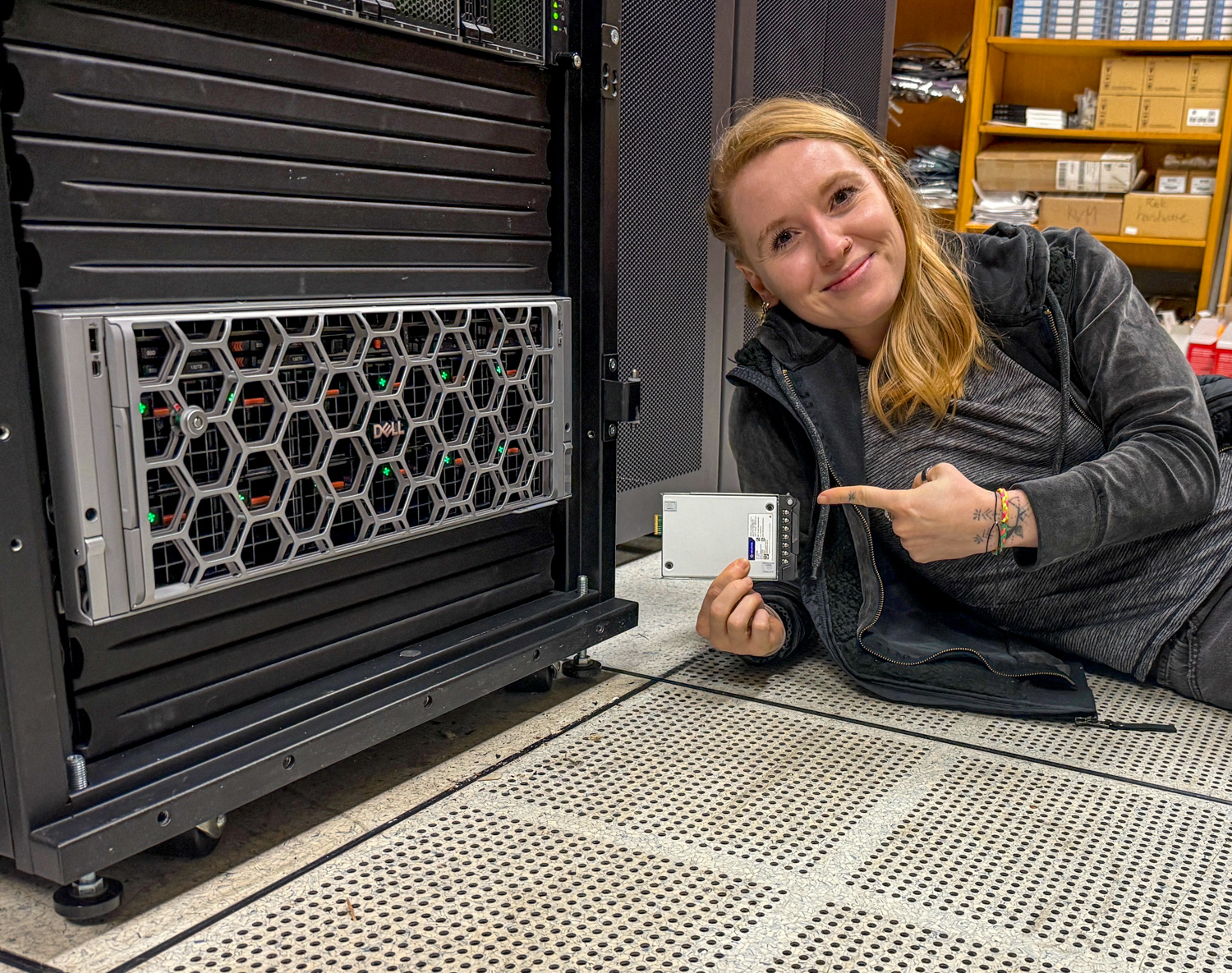
The Token-Efficient Path for Long-Context Inference: KV Cache Offload to Flash

Enterprise AI infrastructure has shifted from optimizing training models to serving them, and that changes the economics. Training is a capital project with an endpoint. Inference is a production workload that runs as long as the service is live, with output measured in tokens. This is the tokenomics problem now facing AI operators: once the

AI  ◇  Enterprise

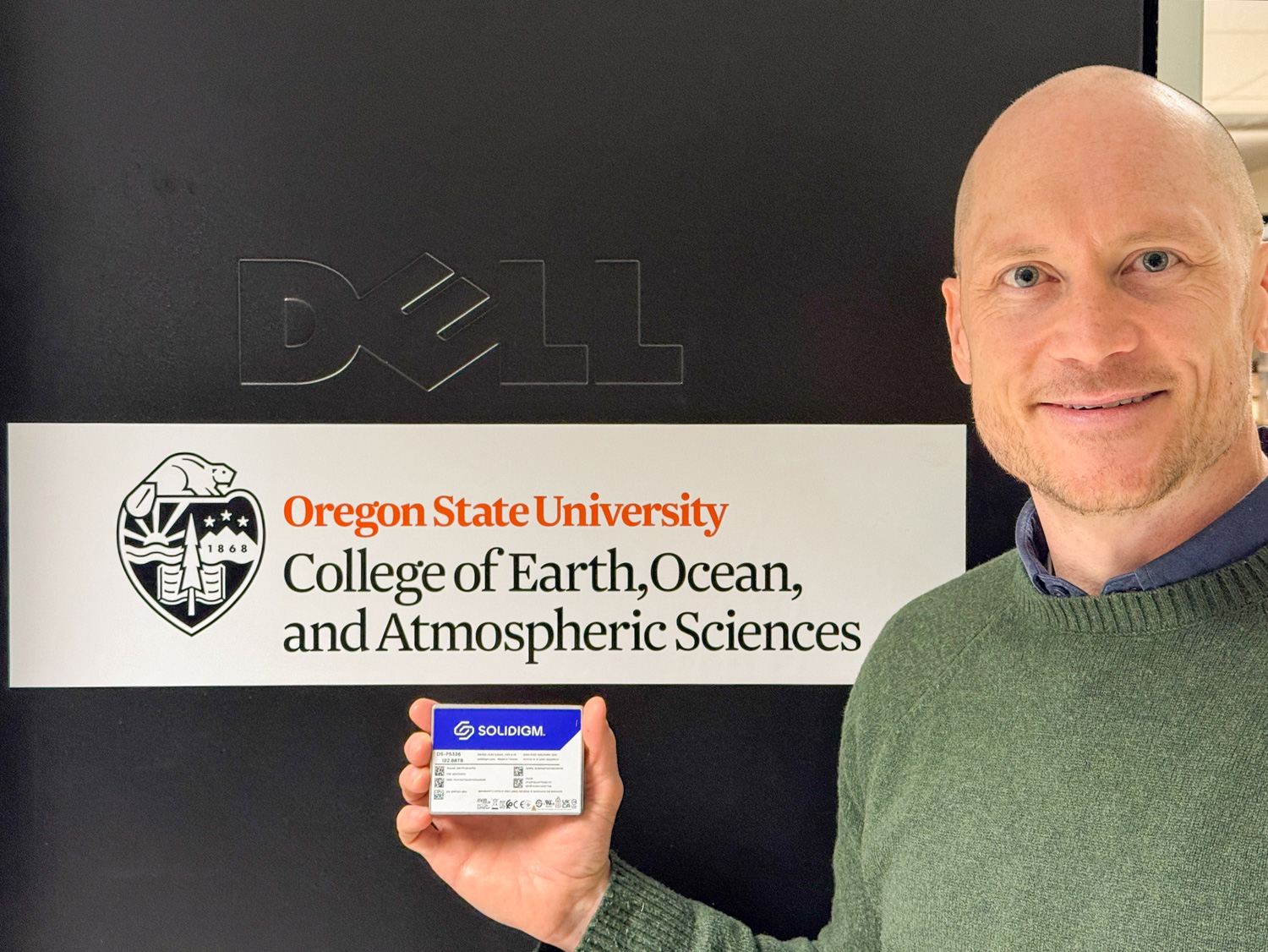
How Metrum AI and Oregon State University Are Building the New Standard for Academic Assessment

When we published our story on Oregon State University’s plankton imaging research last November, the headline was the science: AI-accelerated infrastructure aboard research vessels, processing terabytes of ocean data in near real-time before the ship ever reached port. But something else happened quietly in the weeks that followed. Word spread across campus about what a

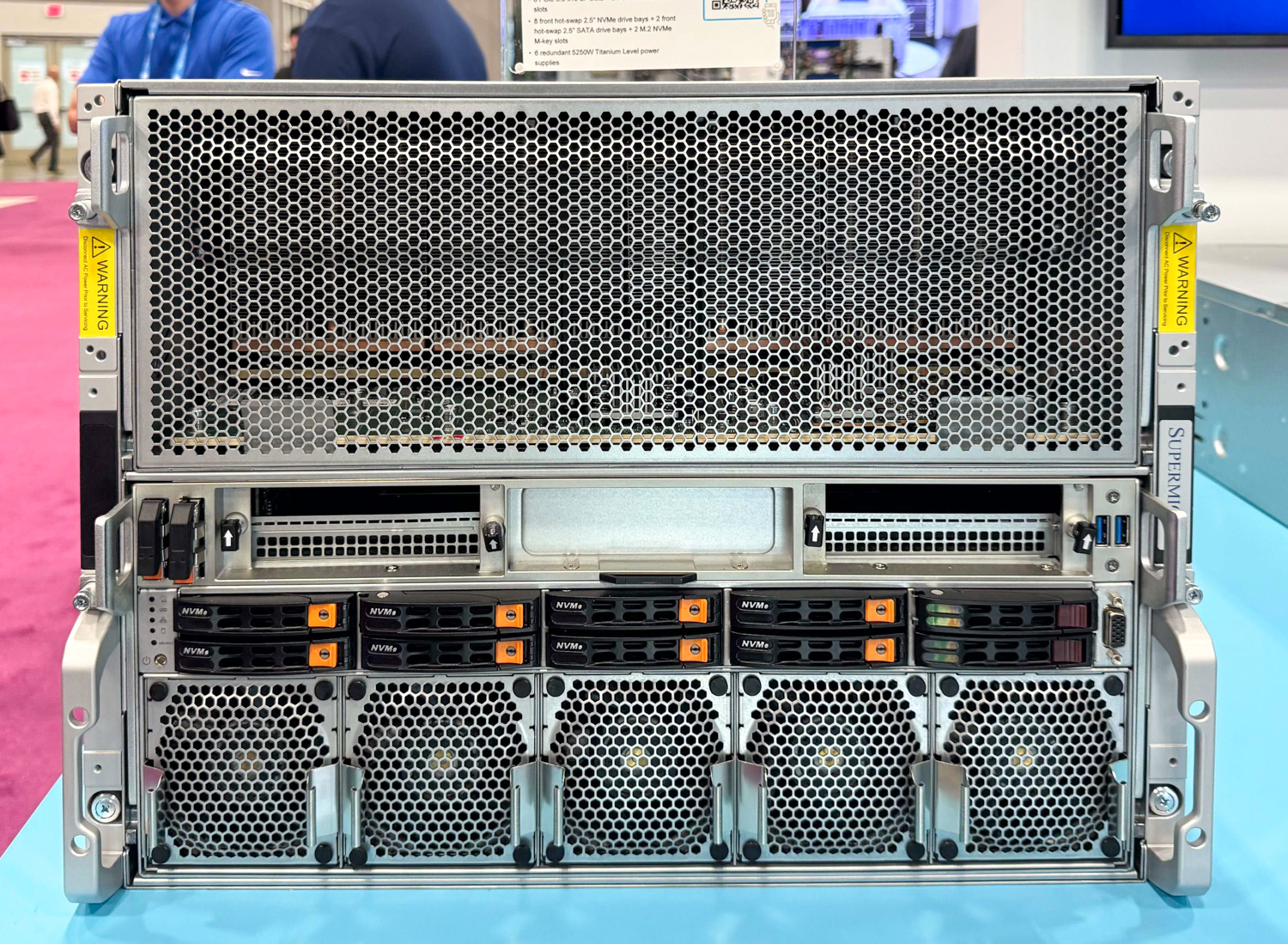
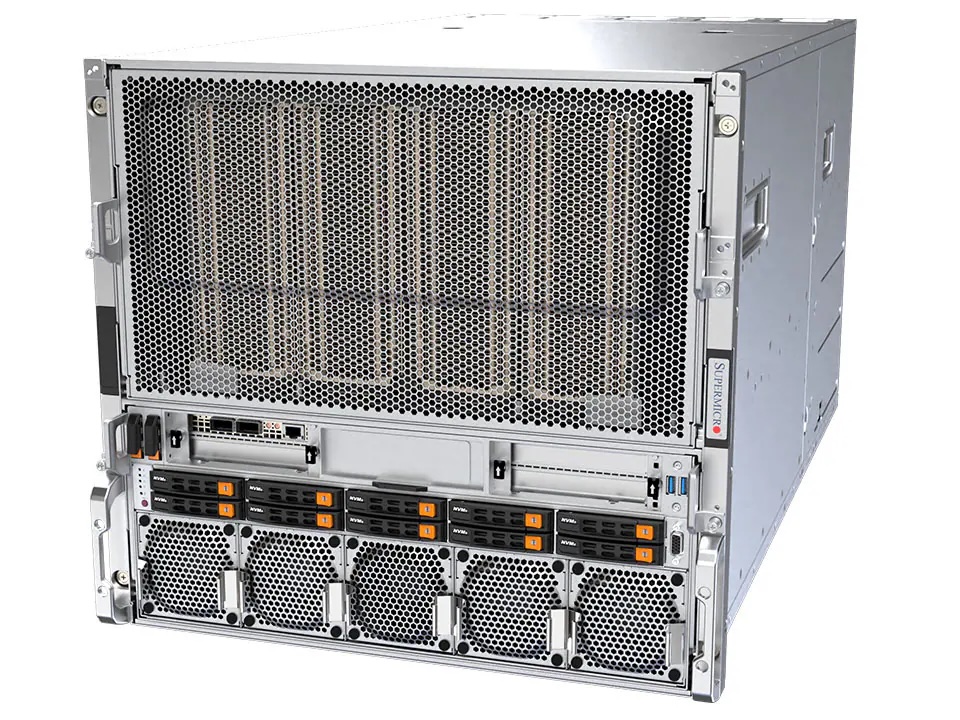
Supermicro H14 server with AMD Instinct MI350X GPUs, front view showing the fan wall and NVMe drive bays
AI  ◇  Enterprise

Supermicro JumpStart Review: H14 with AMD Instinct MI350X

Supermicro’s JumpStart program has established itself as one of the more useful tools in the pre-purchase evaluation toolkit for AI infrastructure. Rather than a scripted demo in a shared environment, JumpStart gives qualified users free, time-boxed, bare-metal access to real production servers via SSH, IPMI, and VNC, enabling them to run workloads on actual hardware.