

As quantum computing continues its transition from research labs to practical computing environments, AMD and IBM are positioning themselves around a common vision: hybrid computing architectures that combine quantum processors, high-performance computing (HPC), and AI into a unified platform. Recent disclosures from both companies outline a growing partnership focused on building the infrastructure required to make quantum computing useful at scale, highlighting a broader industry shift away from standalone quantum systems and toward tightly integrated quantum-classical environments.
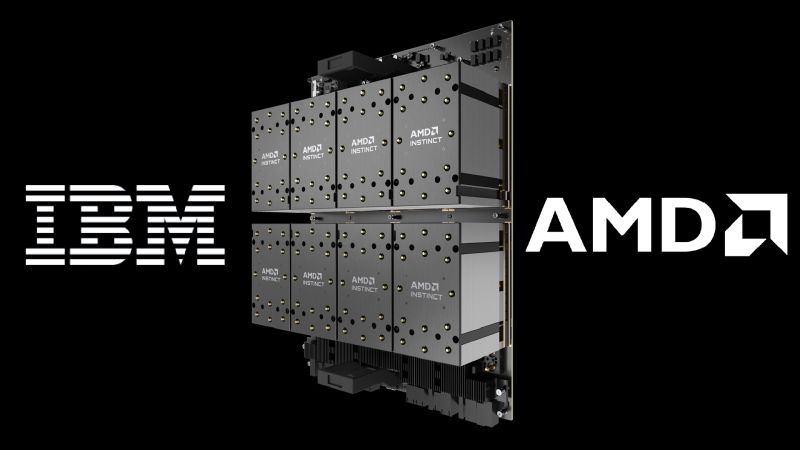
The collaboration comes as governments, research institutions, and enterprises increase investment in quantum technologies. The U.S. Department of Commerce announced in May 2026 plans to invest more than $2 billion in quantum computing and quantum manufacturing initiatives, a sign that quantum is increasingly viewed as a strategic capability with implications for scientific discovery, economic competitiveness, and national security. At the same time, industry leaders acknowledge that practical quantum computing will depend as much on advances in classical computing infrastructure as on the quantum processors themselves.
Quantum Computing’s Evolution Toward Hybrid Architectures
A recurring theme throughout AMD’s quantum strategy is that quantum computers are not replacements for traditional systems. Instead, they are specialized accelerators designed to solve classes of problems that remain difficult or impractical for classical computers. As a result, future deployments are expected to rely on hybrid architectures where quantum processors work alongside conventional compute resources.
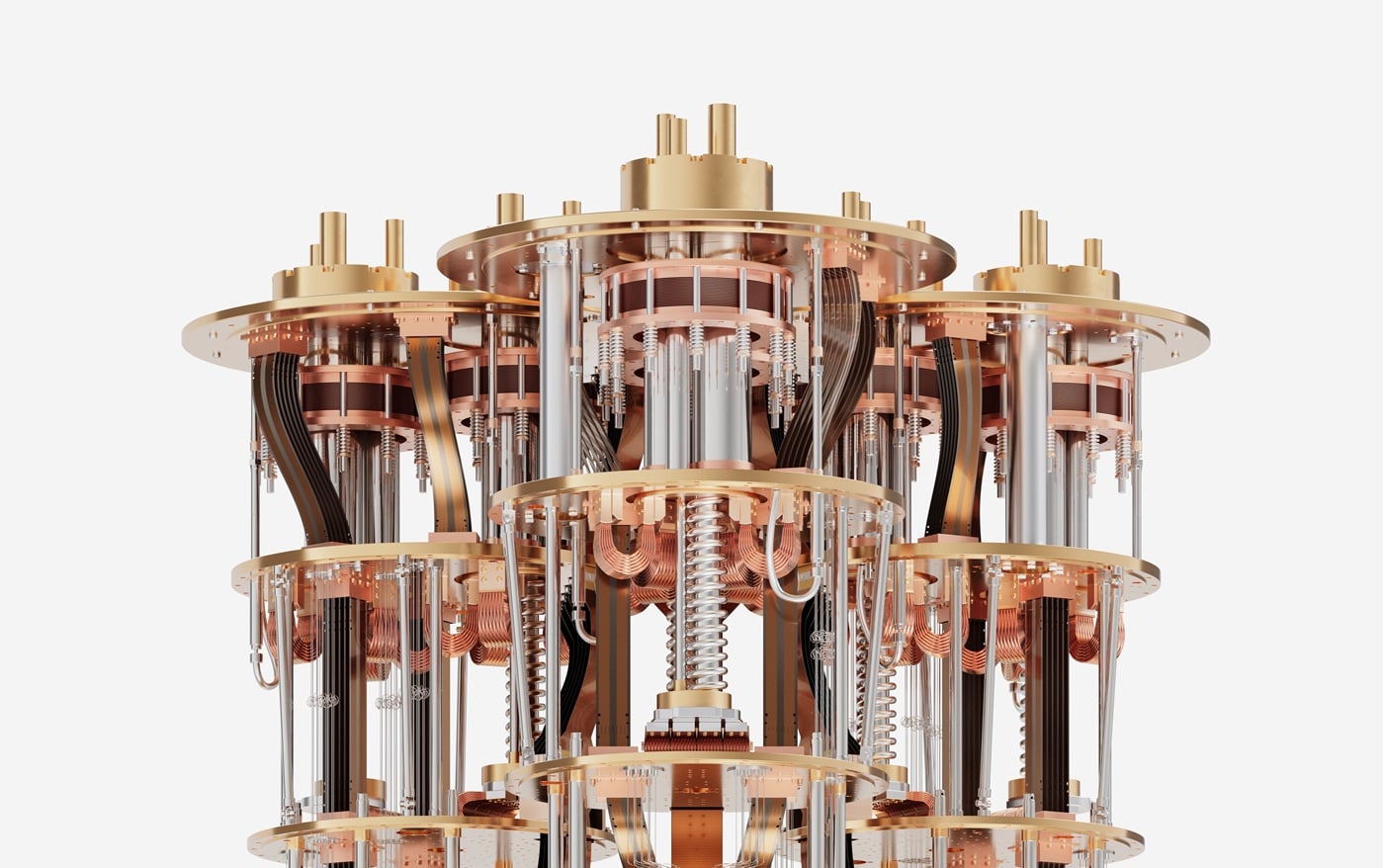
IBM and AMD describe this model as quantum-centric supercomputing. In such environments, quantum computers are integrated with HPC clusters and AI systems that handle workload orchestration, simulation, optimization, data movement, and preprocessing. Classical computing resources remain responsible for many of the operational functions required to support quantum workloads.
This architectural approach reflects current realities within the quantum ecosystem. While quantum hardware continues to improve, it still requires extensive classical infrastructure for control systems, error mitigation, data processing, and software execution. The result is a computational model in which performance depends on the efficiency of both the quantum and classical layers.
IBM Chairman and CEO Arvind Krishna described quantum computing as a fundamentally new way of representing and processing information, one that enables exploration of computational problems beyond the reach of traditional systems. Through its collaboration with AMD, IBM is exploring how advanced HPC technologies can be combined with quantum systems to create more capable hybrid computing environments.
AMD Chair and CEO Dr. Lisa Su similarly emphasized the importance of HPC as a foundation technology for solving complex scientific and industrial challenges, noting that the convergence of quantum computing and high-performance computing creates opportunities to accelerate research and innovation.
AMD’s Role in the Quantum Ecosystem
Unlike companies developing quantum processors, AMD focuses on providing the classical infrastructure needed to support emerging quantum deployments. The company argues that practical quantum computing will require a broad portfolio of technologies spanning compute, acceleration, networking, and software.
AMD’s quantum-related portfolio includes EPYC processors, Instinct accelerators, Versal adaptive SoCs, Pensando networking technologies, FPGAs, and associated software frameworks. These technologies are intended to provide the computational backbone for quantum environments, supporting everything from system management and simulation to AI-assisted optimization and data processing.
The company has been investing in technologies that support the development of quantum computing for nearly a decade. AMD views its role as enabling the convergence of quantum computing, AI, and HPC rather than competing directly in quantum hardware development.
According to AMD, future quantum deployments will require scalable architectures that integrate multiple computing paradigms into a single environment. The company is working with leaders in scientific research and financial services, including Oak Ridge National Laboratory and JPMorgan Chase, to explore how quantum systems can be integrated into AI and high-performance computing environments.
Open Platforms and Software Integration
Another area of focus for both companies is developing open, scalable software environments that support hybrid quantum workflows.
The partnership aims to leverage IBM’s quantum software expertise, including the open-source Qiskit ecosystem, alongside AMD’s experience in HPC and AI infrastructure. AMD’s ROCm software for HPC is expected to evolve to orchestrate quantum accelerators alongside GPUs, enabling developers and researchers to build applications that span quantum and classical resources without being constrained by proprietary interfaces.

AMD has emphasized its commitment to open software ecosystems and community-developed interfaces as critical elements for long-term quantum adoption. Industry observers generally agree that software interoperability will be a key factor in determining how quickly quantum computing transitions from specialized research environments into broader commercial use.
Industry Implications
The AMD-IBM partnership reflects a growing consensus across the industry that the future of quantum computing will not be defined solely by advances in qubit technology. Instead, value will likely emerge from integrated systems that combine quantum processors with powerful classical infrastructure.
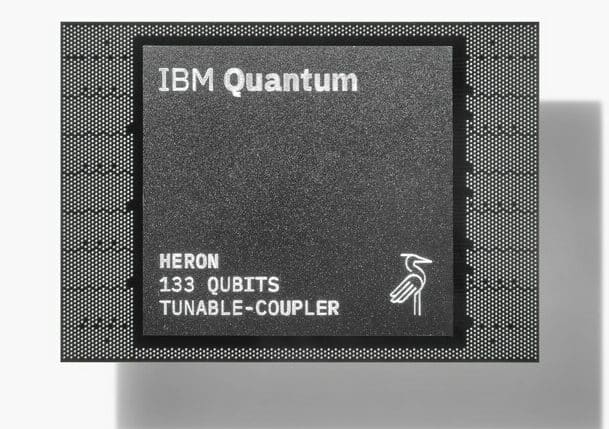
IBM Quantum 133 Qubit HERON
This trend is particularly important for organizations already operating large HPC environments. Rather than replacing existing investments, hybrid quantum architectures are expected to augment traditional systems, enabling enterprises and research institutions to selectively apply quantum resources to specialized workloads while relying on established HPC infrastructure for most processing tasks.
Potential applications include materials science, drug discovery, logistics optimization, financial modeling, and other computationally intensive workloads where quantum algorithms may eventually provide advantages over classical approaches.
Moving Forward
The collaboration between AMD and IBM underscores the industry’s movement toward quantum-enabled supercomputing environments. As quantum technology matures, companies are betting that success will depend on seamless integration between quantum processors, AI accelerators, networking technologies, and traditional HPC infrastructure.

For AMD, the strategy expands its role beyond traditional server and accelerator markets by positioning its compute portfolio as a foundational component of future quantum deployments. For IBM, the partnership provides access to advanced HPC technologies needed to support increasingly sophisticated quantum systems.
While large-scale fault-tolerant quantum computing remains a long-term objective, the work underway today suggests the next phase of the market will be defined by hybrid quantum-classical systems. The AMD-IBM partnership represents one of the more visible examples of how the industry is preparing for that transition, focusing on the infrastructure and software layers required to bring quantum computing into practical production environments.
The quantum computing space is becoming increasingly competitive, with rapid developments such as Microsoft’s work on Majorana-based qubits. If progress continues at this pace, we may see usable quantum computers within the next decade.


 Amazon