

Dell has expanded Dell Private Cloud to support Nutanix deployments, extending its multi-hypervisor strategy beyond VMware and Red Hat OpenShift. The move is aimed at organizations rethinking private cloud architecture around flexibility and workload fit rather than committing to a single virtualization stack.
Dell positions the update as a response to changing private cloud requirements, with IT leaders prioritizing infrastructure that can adapt to evolving application needs, procurement constraints, and operational models. The company cites industry momentum toward hypervisor choice, with 52% of IT leaders considering multiple hypervisor options to reduce vendor lock-in.
Dell Private Cloud Deploying Nutanix
With Dell Private Cloud, Dell says customers can deploy Nutanix on Dell PowerFlex today, with Dell PowerStore integration planned for this summer. That storage alignment matters in practical terms: it gives teams a path to choose between platforms that skew toward scale-out performance and those optimized for more traditional enterprise storage profiles, while keeping the private cloud operating model consistent.
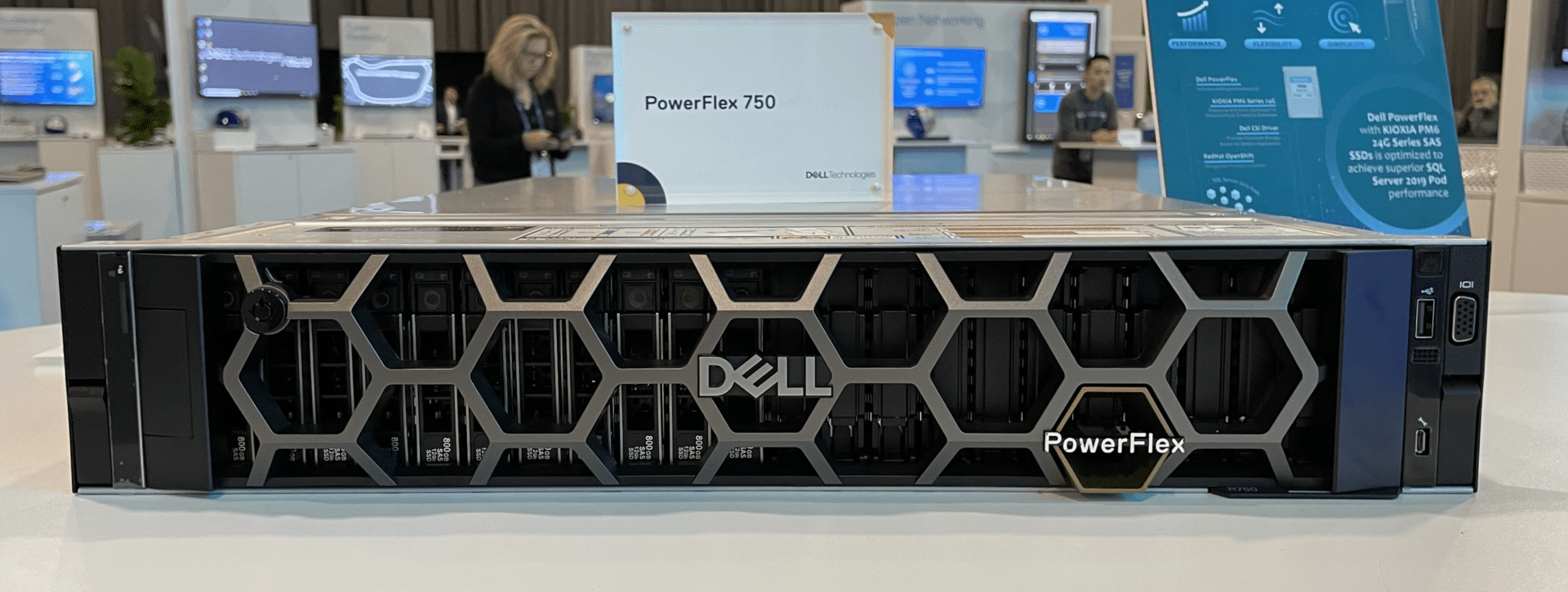
Dell also emphasizes that Dell Private Cloud is designed to deliver an appliance-like experience across Dell PowerEdge compute and Dell storage through the Dell Automation Platform, which targets Day 0 deployment, Day 1 administration, and Day 2 lifecycle management.
Why It Matters Now
The hypervisor market has shifted from a platform standardization discussion to a risk-management and flexibility discussion. Hyperconverged infrastructure simplified operations by consolidating components and management compared with legacy three-tier architectures, but enterprise requirements now extend beyond consolidation. Organizations want to:
- Match infrastructure behavior to workload requirements without redesigning the entire stack.
- Reuse hardware investments across different deployment models as modernization continues.
- Maintain operational continuity even as they introduce new platforms or shift away from incumbents.
Adding Nutanix gives Dell Private Cloud customers another mainstream virtualization and HCI ecosystem option, positioned alongside existing support for VMware and Red Hat OpenShift. Dell insists this is less about “another logo” and more about maintaining leverage and optionality while preserving a consistent operational model on Dell infrastructure.
Operational and Platform Implications
Dell’s messaging focuses on reducing friction for teams adopting a multi-hypervisor approach. With Nutanix in the mix, Dell highlights:
- Workload-aligned platform choice: Organizations can pair Nutanix AHV with Dell compute and storage, selecting the hypervisor and storage platform based on workload needs.
- Operational continuity: Teams can continue using Nutanix management tools, including Prism UI, without introducing a new workflow model.
- Automation-driven lifecycle management: Dell Automation Platform is positioned as the layer that standardizes deployment and ongoing operations across infrastructure and hypervisor choices, covering provisioning and lifecycle management through Day 0 to Day 2.
- Investment protection: Dell frames the approach as a way to reuse and extend existing Dell infrastructure rather than forcing near-term hardware replacement to change software stacks.
The Broader Context
Dell Private Cloud started with VMware support and later expanded to Red Hat OpenShift. Adding Nutanix is the next step in building a private cloud offering that supports multiple virtualization and application platforms while maintaining a consistent Dell-led infrastructure and automation foundation.
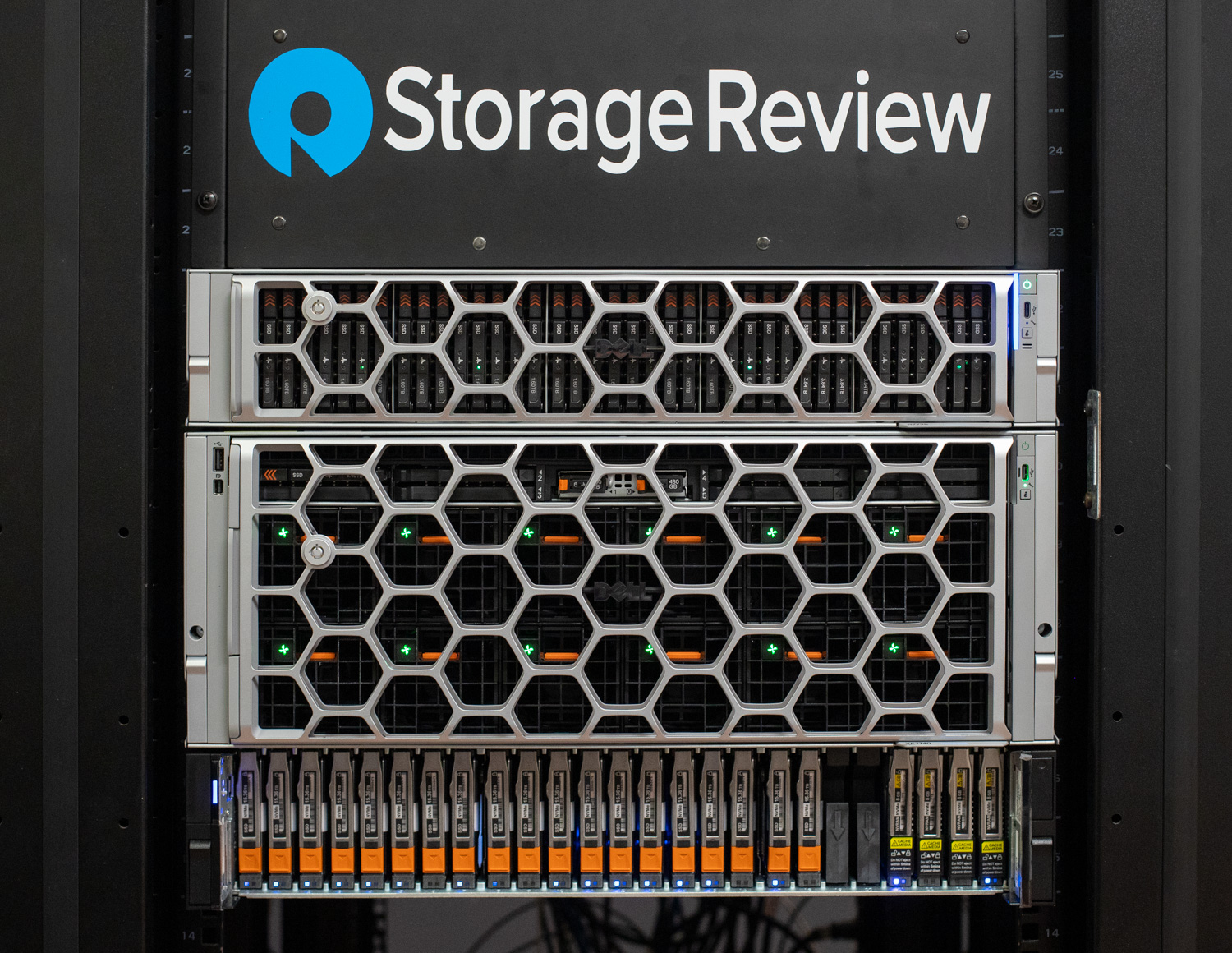
In enterprise and service provider environments grappling with vendor lock-in concerns, budget scrutiny, and mixed workload requirements, the addition of Nutanix is a clear signal that Dell intends to compete on platform flexibility without ceding control of the underlying infrastructure experience.


 Amazon