

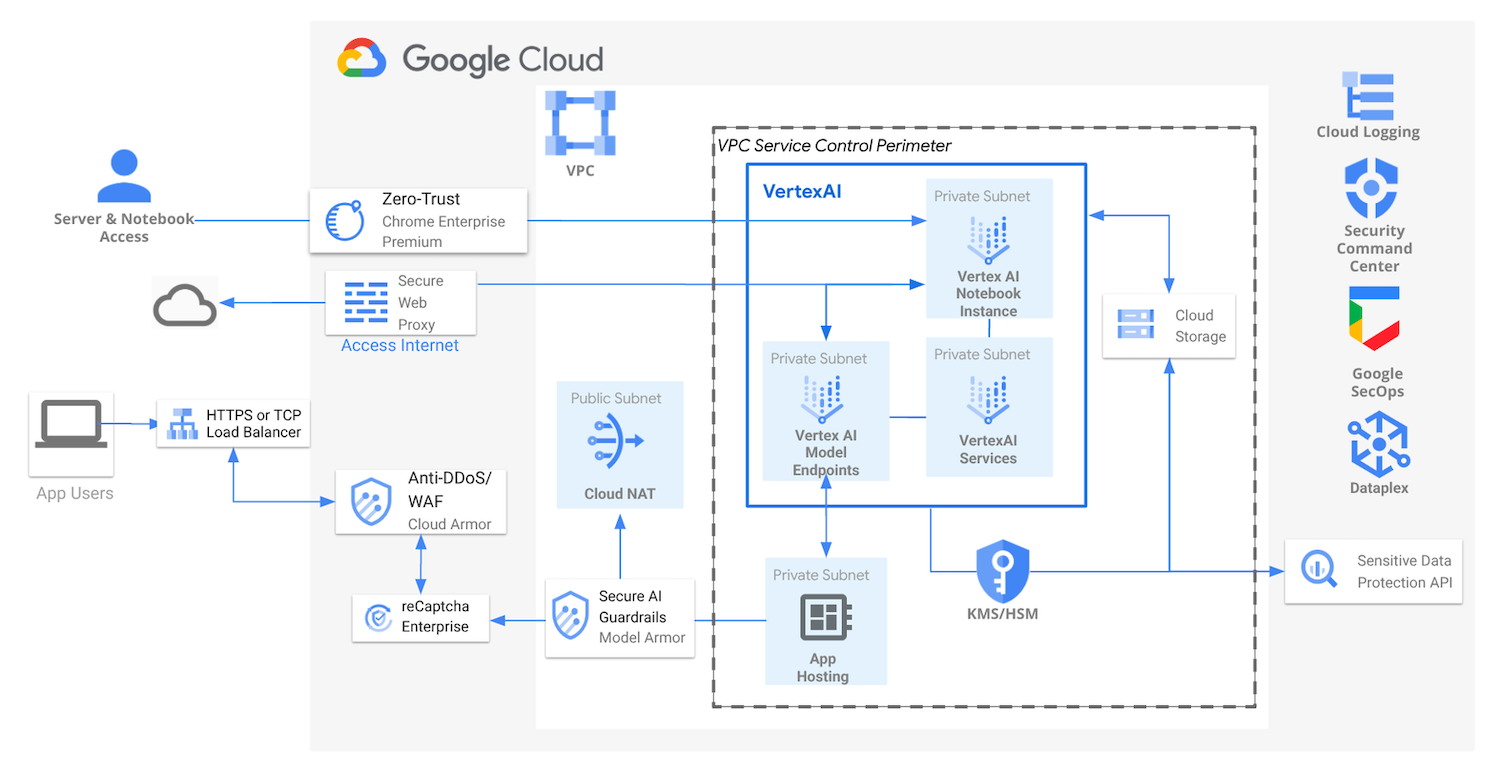
At Google CloudNext, IBM and Google Cloud announced an expanded collaboration to address a recurring challenge for enterprise customers: modernizing core systems and operationalizing AI across hybrid and multi-cloud environments without increasing complexity. The joint effort focuses on improving interoperability across platforms, data, and tooling while maintaining operational consistency and security.
The partnership combines Google Cloud’s AI infrastructure and developer-focused services with IBM’s portfolio in hybrid cloud, data management, and automation. The goal is to provide enterprises with a more unified approach to deploying and managing AI workloads across distributed environments. Rather than prescribing a single architecture, the companies are emphasizing flexibility and integration across existing enterprise investments.
Current Integrations and Availability
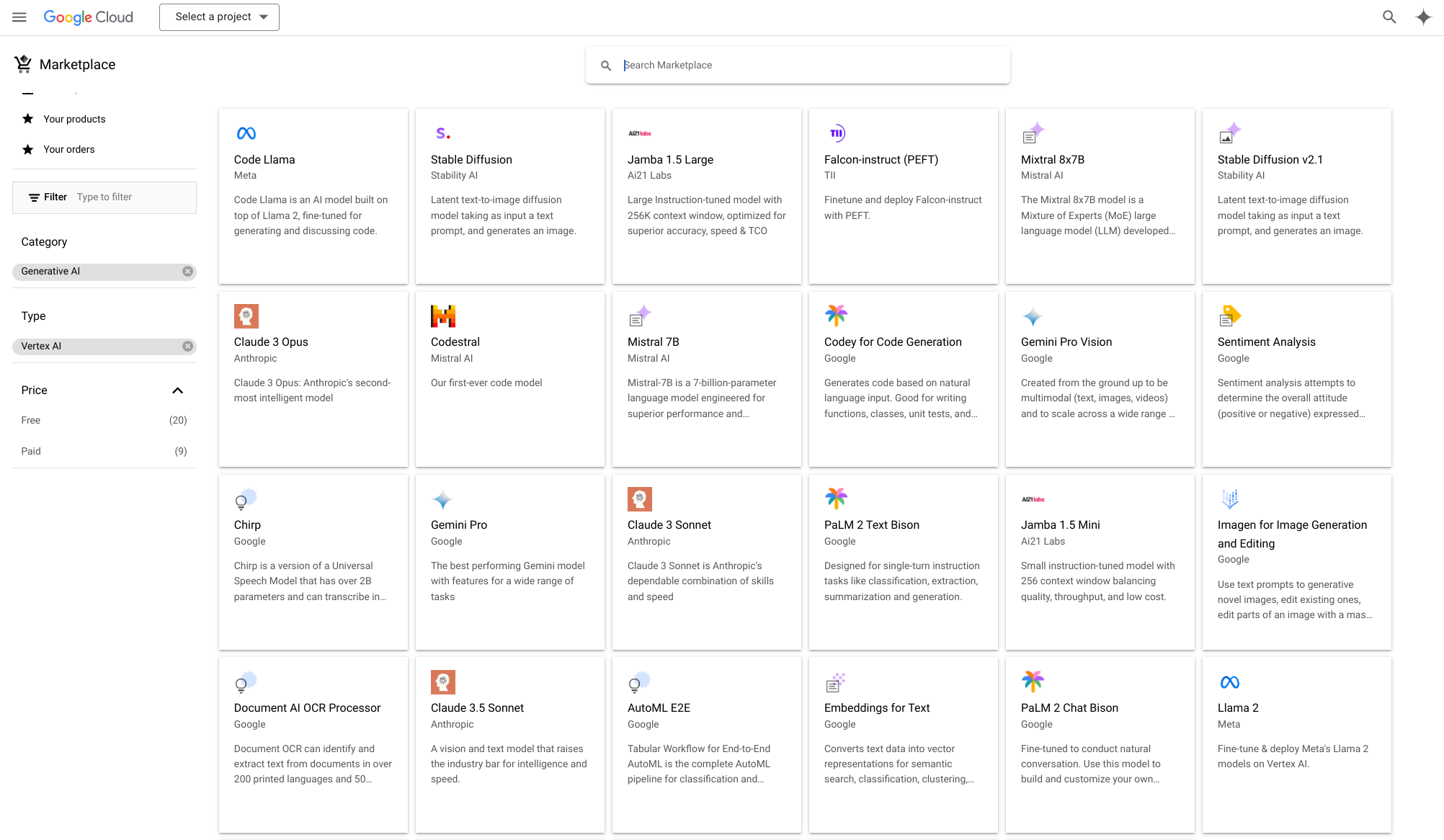
Several IBM and partner technologies are now available through the Google Cloud Marketplace, reflecting a focus on simplifying procurement, deployment, and lifecycle management.
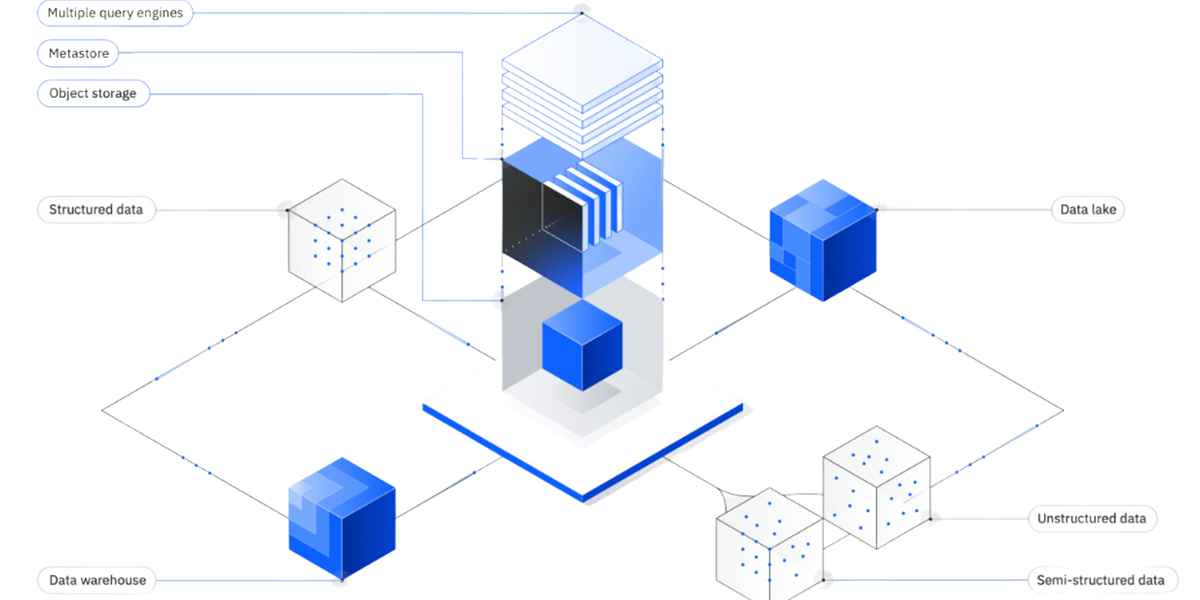
IBM watsonx.data is now available on the Google Cloud Marketplace, enabling organizations to manage structured, unstructured, and multimodal data pipelines for large-scale AI workloads. The platform is positioned to support real-time data processing and analytics in hybrid environments.
HashiCorp tools, including Terraform Enterprise, Vault, and Consul, are also available via the marketplace. These tools provide infrastructure automation, secrets management, and service networking capabilities. Their inclusion supports standardized infrastructure provisioning and security across multi-cloud deployments.
Confluent Cloud, a managed Apache Kafka service, is offered through Google Cloud Marketplace to support real-time data streaming architectures. This enables enterprises to build event-driven systems that integrate data across applications and environments.
Red Hat OpenShift, including OpenShift Virtualization, is now directly accessible through the Google Cloud Console and marketplace. This integration allows organizations running both virtual machines and containers to manage workloads within a consistent control plane. It also enables unified billing and alignment with committed Google Cloud spend. IBM and Red Hat report that OpenShift and Red Hat Enterprise Linux have been validated at scale on Google Cloud infrastructure, supporting enterprise-grade hybrid deployments.
Additionally, the Red Hat Lightspeed Agent for Google Cloud extends AI-assisted development and operational capabilities to improve productivity for engineering teams managing hybrid environments.
Roadmap and Ongoing Development
IBM and Google Cloud outlined several areas for continued collaboration to reduce operational complexity and expand AI capabilities.
The companies are working to integrate Google’s Gemini models and Gemini Enterprise offerings into IBM’s software portfolio. This effort aims to integrate advanced foundation models into enterprise workflows while maintaining compatibility with existing IBM platforms.
On the infrastructure side, HashiCorp Terraform is being integrated more deeply into Google Cloud Infrastructure Manager. This is expected to enable more consistent infrastructure-as-code practices, improving automation and governance across deployments.
IBM also continues to expand the availability of its software portfolio on Google Cloud Marketplace, enabling customers to utilize committed cloud spend better while standardizing procurement and deployment processes.
Positioning for Enterprise Adoption
The expanded partnership reflects a broader industry shift toward open, interoperable architectures that support hybrid and multi-cloud strategies. By aligning IBM’s hybrid cloud stack, Red Hat’s container platform, and Google Cloud’s AI and infrastructure services, the companies aim to reduce friction in deploying AI at scale.
The approach centers on enabling enterprises to connect data, models, and infrastructure across environments while maintaining control over operations and security. For organizations navigating complex modernization initiatives, integrating these platforms provides a more consistent foundation for deploying and managing next-generation workloads.


 Amazon