

Following its recent collaboration announcement with Google Cloud, NetApp introduced new capabilities to simplify how enterprises use existing data for AI workloads in cloud environments. The updates focus on reducing the operational complexity and cost associated with moving and managing data across hybrid and multi-cloud infrastructures.
At a high level, the joint effort targets a common enterprise challenge. Organizations want to apply AI to existing datasets, but data gravity, fragmentation, and migration overhead often slow adoption. NetApp and Google Cloud are positioning their integration to allow customers to bring data into Google Cloud once and use it across services without repeated movement or duplication.
Google Cloud NetApp Volumes and NetApp Migrator
Central to this approach is Google Cloud NetApp Volumes, which allows enterprises to run file- and block-based workloads in Google Cloud without rearchitecting applications. NetApp stated that customers can migrate existing datasets directly into the service and immediately access Google Cloud-native services, including AI and analytics tools, against that data. This reduces the need for parallel data pipelines and minimizes the latency and cost associated with data duplication.
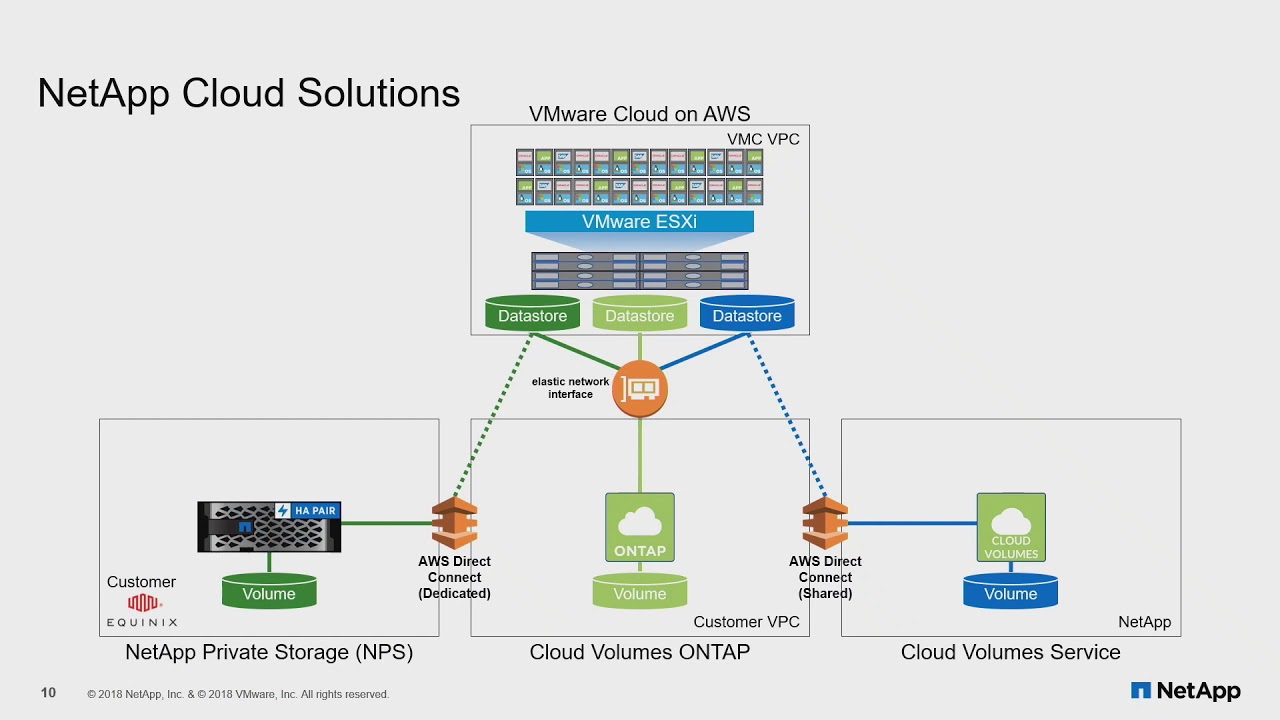
NetApp also announced general availability of NetApp Data Migrator (NDM), a multi-cloud data migration service designed to move data across environments without requiring specialized expertise. The service is intended to simplify data mobility between on-premises systems and cloud platforms, enabling more consistent access to data for AI and other advanced workloads.
Pravjit Tiwana, Senior Vice President and General Manager of Cloud Storage and Services at NetApp, stated that customers can easily transfer their enterprise data into Google Cloud NetApp Volumes and access Google Cloud services, including AI applications, without moving or duplicating the data. These updates cut costs, delays, and complexities in AI adoption.
Flex Unified Service Level for Google Cloud NetApp Volumes
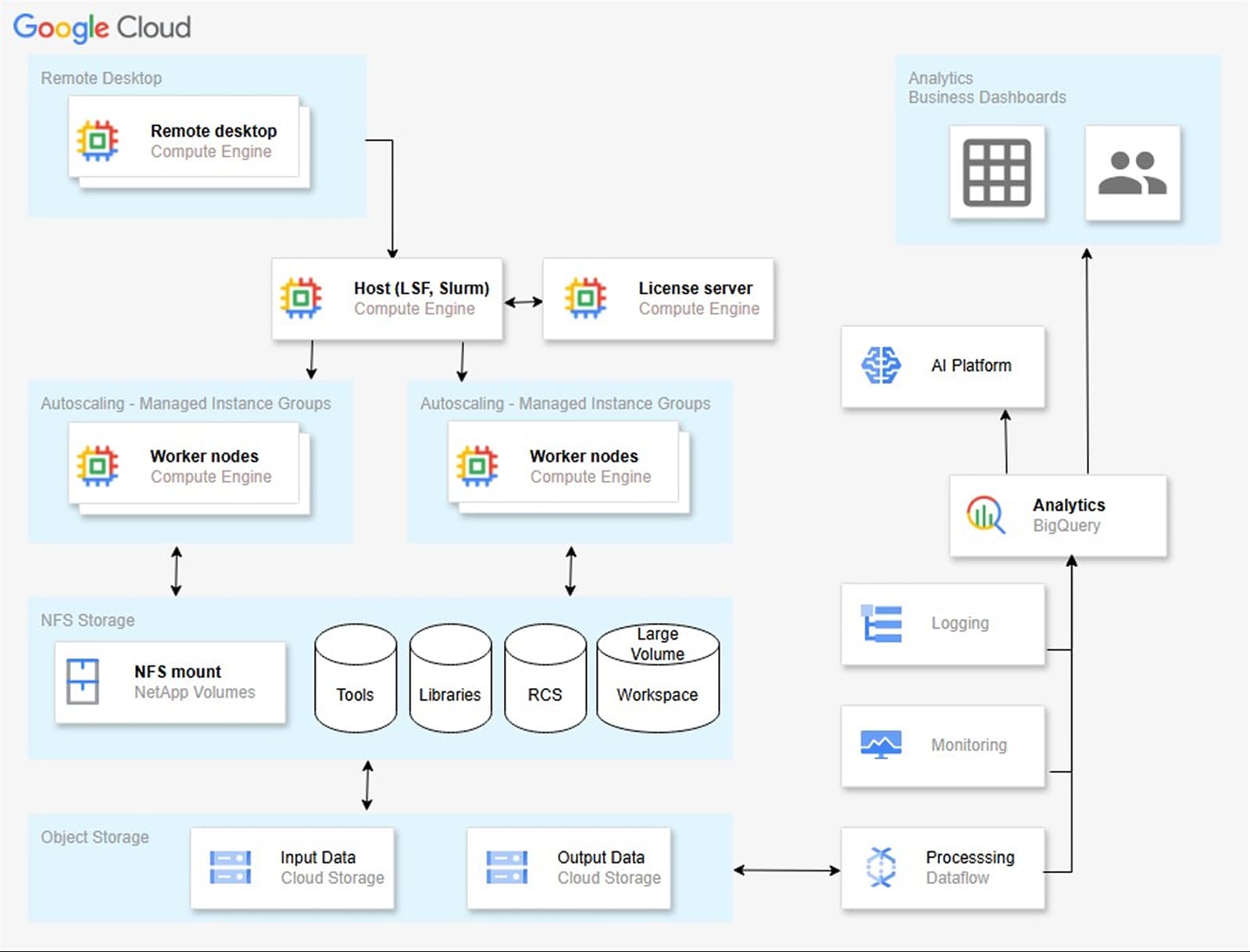
On the Google Cloud side, the companies highlighted the general availability of the Flex Unified Service Level for Google Cloud NetApp Volumes. This introduces a single storage pool that supports both file and block workloads across all Google Cloud regions. The unified model is designed to support a range of enterprise use cases, including databases, high-performance computing, electronic design automation, and VMware environments, without requiring application changes or separate storage architectures.
Sameet Agarwal, Vice President and General Manager of Storage at Google Cloud, emphasized that AI innovation hinges on AI-ready data supported by flexible, unified architectures that prevent data silos. He highlighted that their partnership with NetApp minimizes data migration barriers, enabling organizations to rapidly leverage Google Cloud’s advanced data and AI capabilities for business innovation.
Overall, the integration extends NetApp’s hybrid cloud storage model into tighter alignment with Google Cloud’s AI and data services. The combined approach focuses on enabling enterprises to retain data within a unified storage layer while leveraging cloud-native AI capabilities, rather than repeatedly moving data between systems.


 Amazon