
IBM integrates two of Meta’s latest Llama 4 models, Scout and Maverick, into watsonx.ai platform.
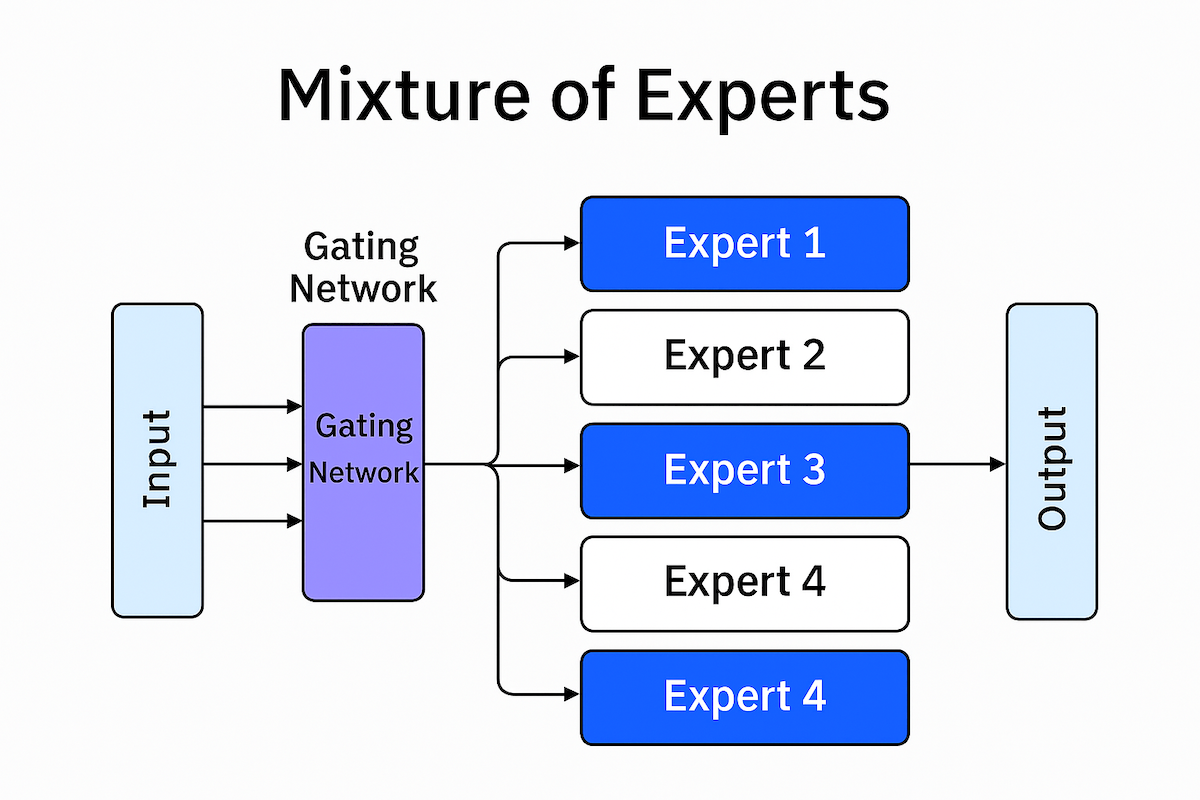

IBM integrates two of Meta’s latest Llama 4 models, Scout and Maverick, into watsonx.ai platform.
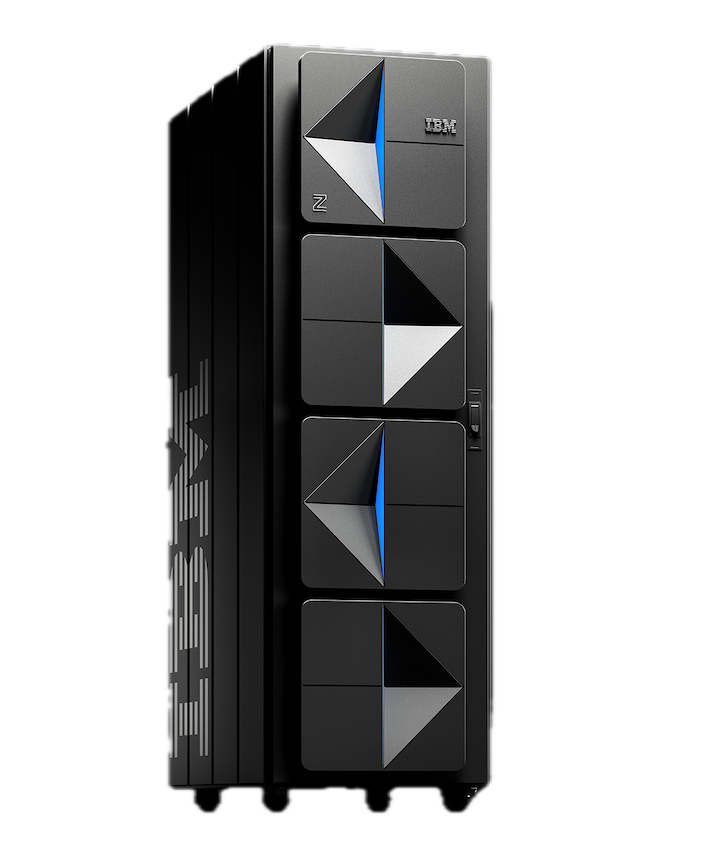
IBM’s z17 mainframe has the processing power to deliver 50% more AI inference operations daily.
Meta unveils Llama 4, a powerful MoE-based AI model family offering improved efficiency, scalability, and multimodal performance.
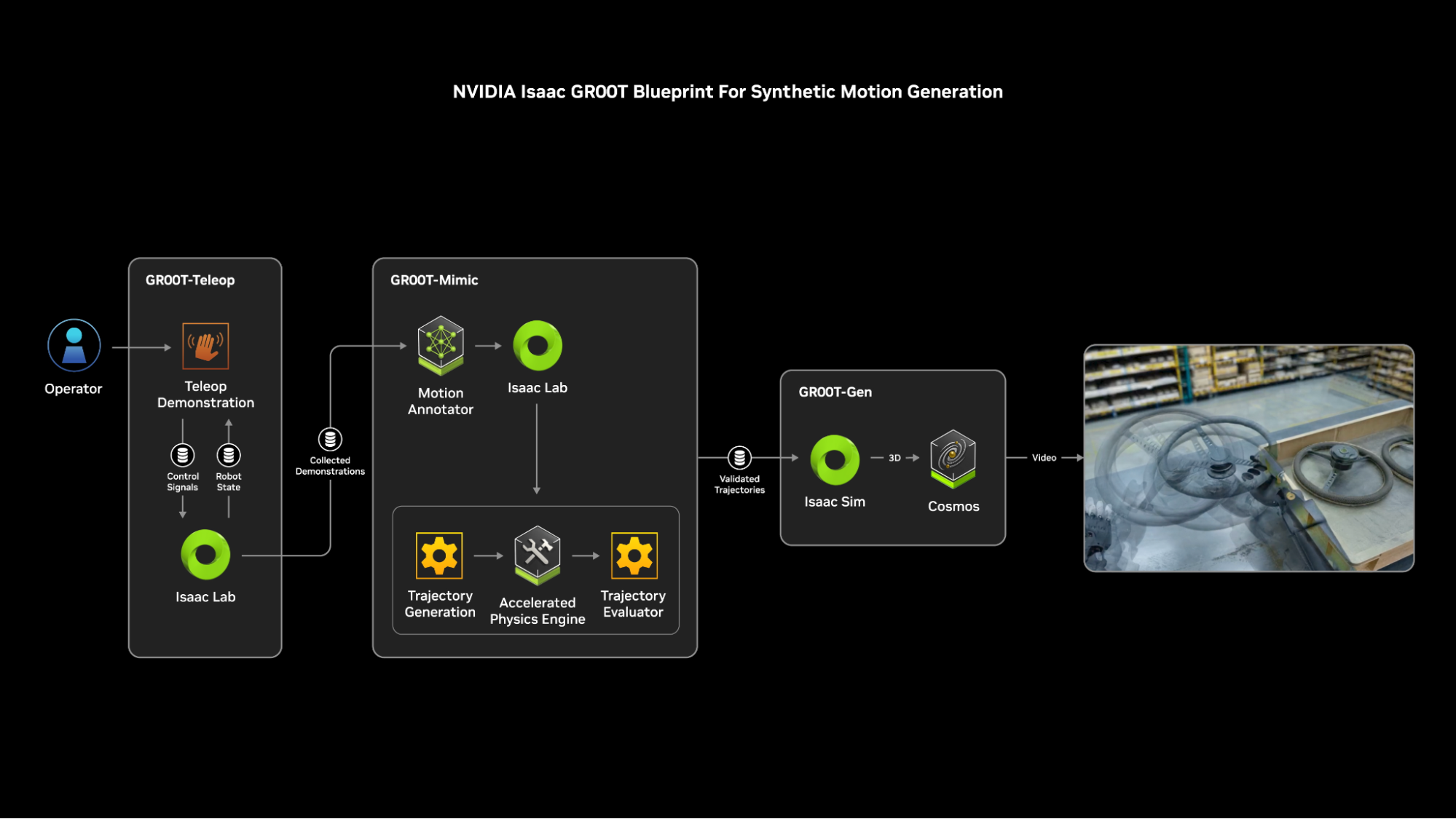
NVIDIA leveraged GTC 2025 to announce new software advancing AI innovation and optimization.
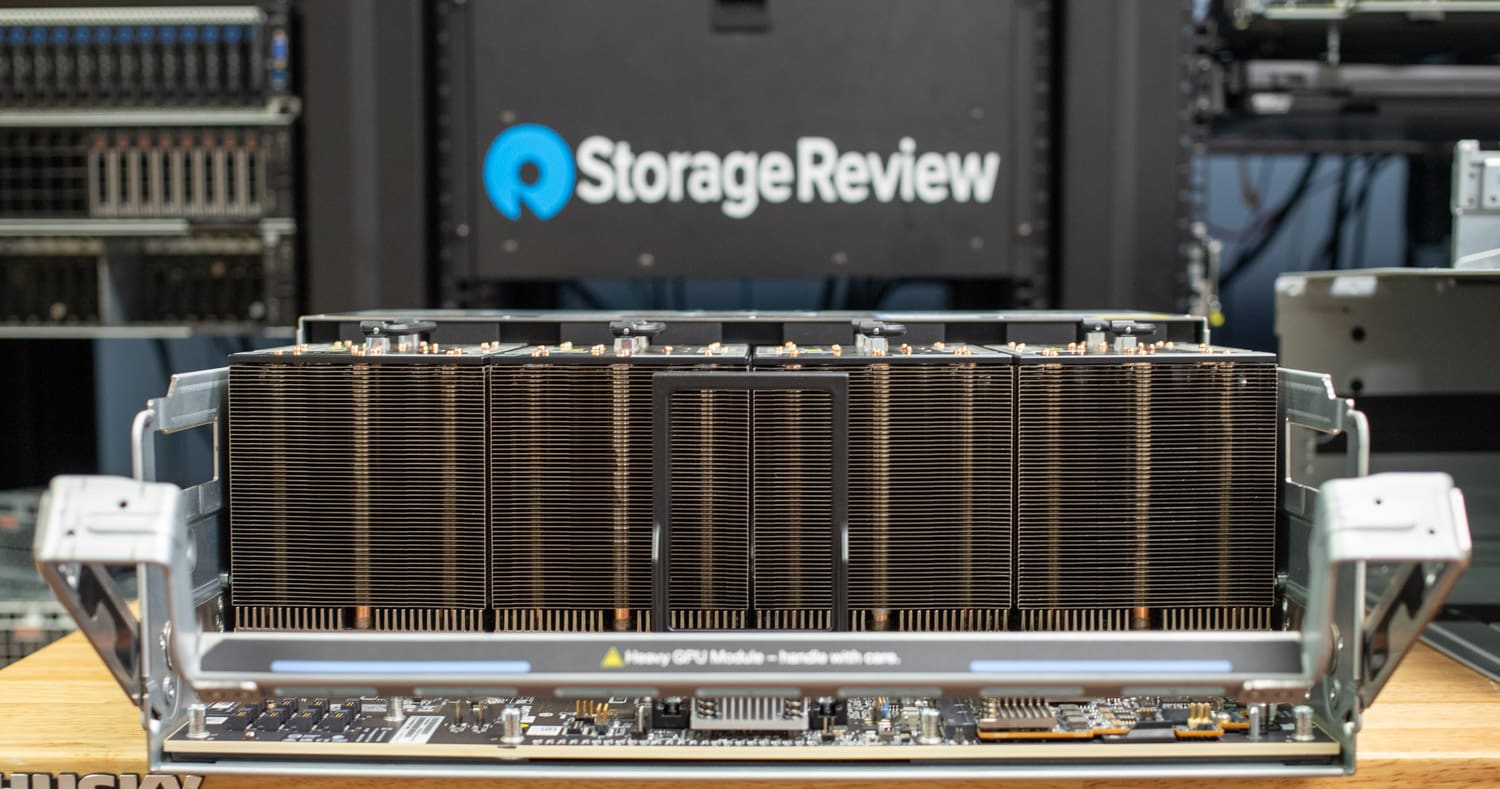
Rapt AI AMD collaboration integrates workload automation with AMD Instinct GPUs to enhance AI infrastructure efficiency and reduce TCO.
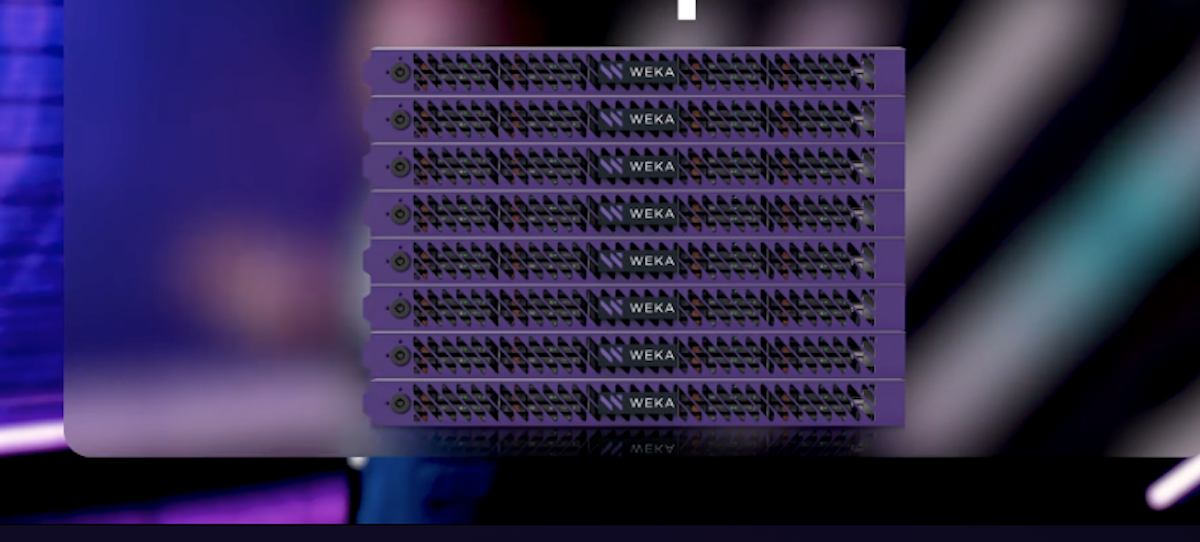
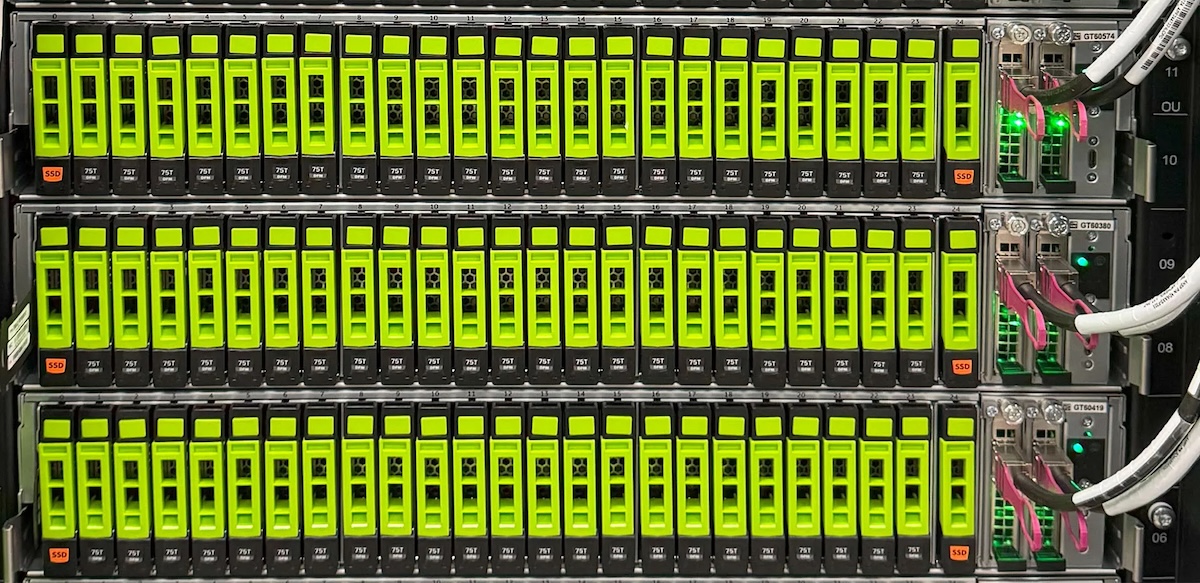
WEKA’s Augmented Memory for AI inference boosts GPU efficiency, reducing latency and cost while scaling AI models for enterprise workloads.
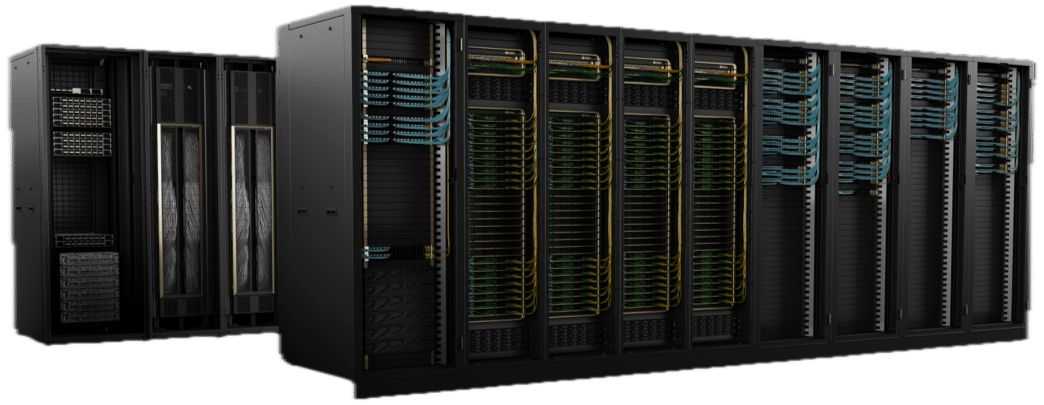
VAST Data integrates InsightEngine with NVIDIA DGX for real-time AI data processing, enabling seamless retrieval, inference, and scaling.
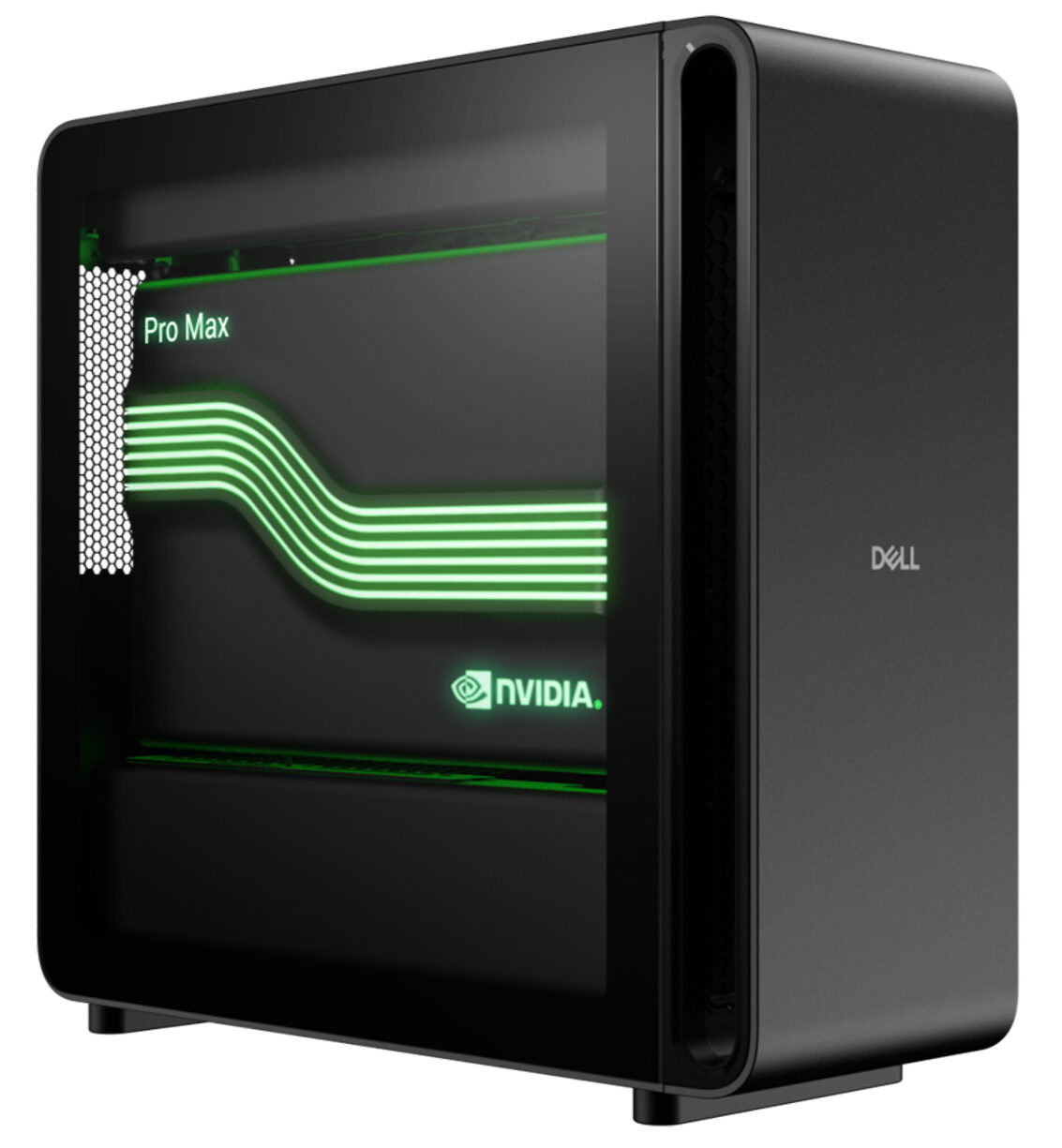
Dell celebrates the AI Factory’s anniversary by expanding infrastructure, introducing powerful AI PCs, and enhancing data solutions.
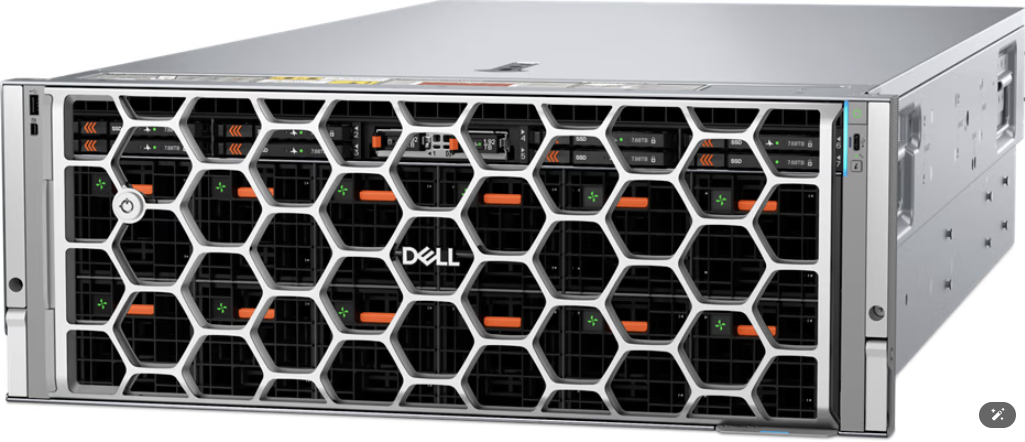
Dell unveils the PowerEdge XE8712 at GTC 2025, enhancing AI and HPC capabilities with NVIDIA Grace Blackwell Superchip integration.
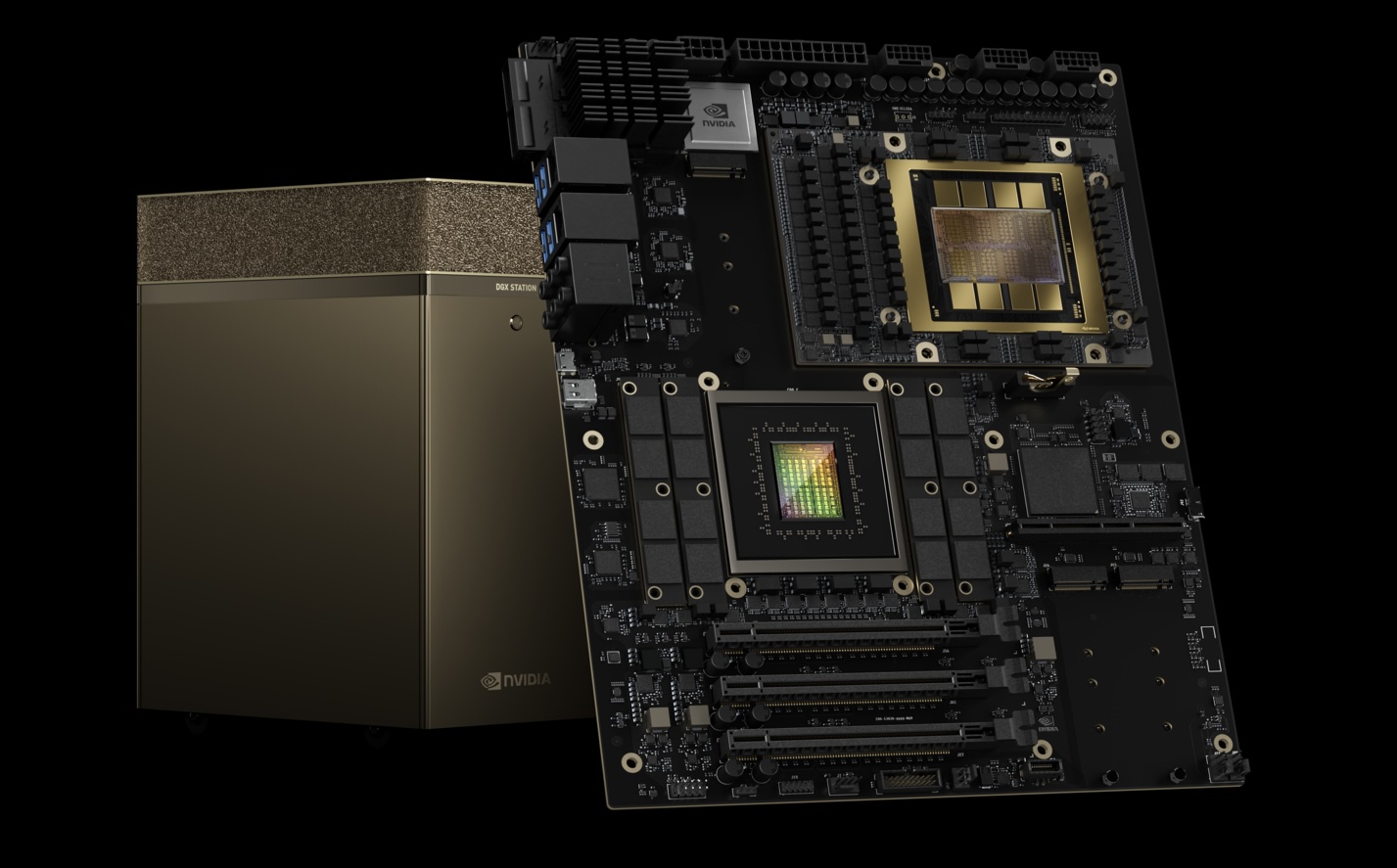
NVIDIA GTC 2025 unveiled groundbreaking AI advancements, including Blackwell Ultra GPUs, AI-Q, Mission Control, and DGX Spark.


 Amazon