StorageReview.com
LenovoStorageCloudTieringThumbnail 1
Enterprise  ◇  Enterprise Storage

How It Works: Lenovo Storage Cloud Tiering

For years, automated storage tiering has been an essential solution for enterprises looking to manage their data center footprint efficiently while reducing the total cost of ownership (TCO). The strategy is simple: use auto-tiering algorithms and policies, and keep active data on primary storage while moving inactive data to inexpensive storage categories. In recent years,

Gigabyte-server-front
Enterprise  ◇  Server

GIGABYTE R282-Z92 Server Review

The GIGABYTE R282-Z92 Server is a new 2U dual-socket server that leverages the 2nd generation AMD EPYC processors. Being dual-socket, meaning that users can leverage up to 128 cores (64 per socket) with two EPYC CPUs. AMD EPYC processors also lend the added benefit of PCIe 4.0 devices which increase options for faster storage, FPGAs,

Dell EMC PowerScale Cluster
Enterprise  ◇  Enterprise Storage

How it Works: Dell Technologies Multi-Cloud Storage with PowerScale

More and more businesses are using a multi-cloud strategy from public cloud providers like AWS, Azure, and Google Cloud to facilitate innovation and growth. These cloud giants are the so-called hyperscalers, each of them offering over 100 different services over their platforms. Aligning these multiple cloud services to a specific organization’s strategy is critical and

synology e10m20-t1 lifestyle
Accessories  ◇  Enterprise

Synology E10M20-T1 M.2 SSD & 10GbE Card Review

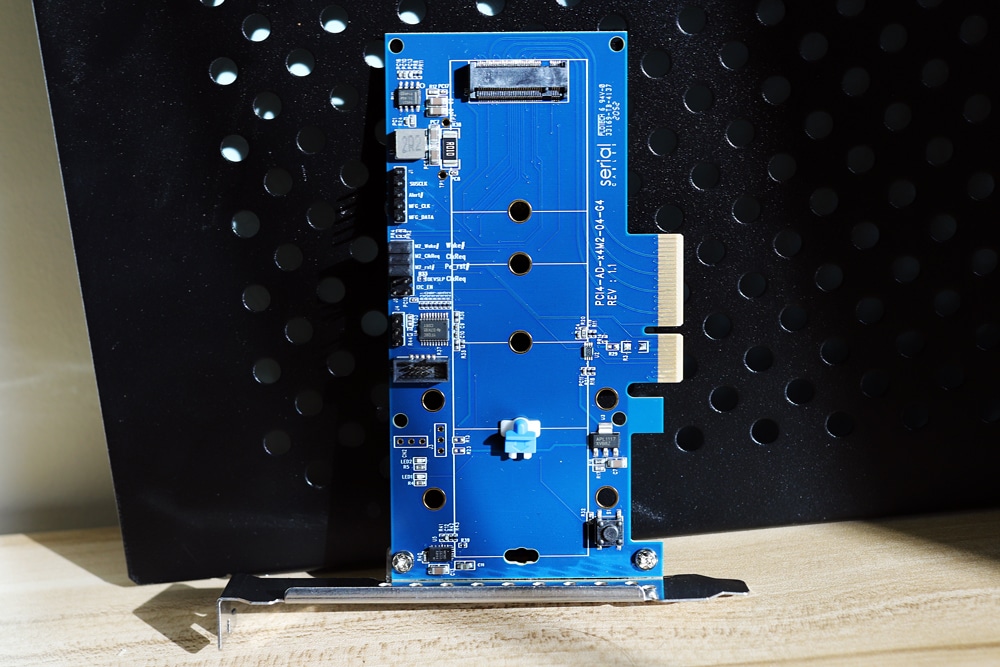
Synology has a nice line of NAS devices that are great for SOHO and SMBs. The only drawback is that midrange NAS aren’t typically built with maximum performance and network speed in mind. Thanks to a new add-in card, now they don’t have to be. With the introduction of the Synology E10M20-T1 AIC, users can

HP ZCentral Rack
Enterprise  ◇  Software

How it Works: HP ZCentral Remote Boost

We are going through a transformational change in the workplace and working from home (WFH) is no longer an option or a “nice to have.” It is a requirement. Fortunately, for the past two decades, we have been developing virtual desktop infrastructure (VDI) to enable this transformation. When people think of VDI, they often think

Advantech SKY-7221 Server front
Enterprise  ◇  Server

Advantech SKY-7221 Server Review

The Advantech SKY-7221 is a 2U rackmount server that leverages the second-generation Intel Xeon Scalable processor family. The server is dual socketed so it can support two of the new Intel CPUs and all of the benefits that come with them. This particular server is aimed at being leveraged hyperconverged storage, software-defined storage, and high-end

Seagate Nytro 3331 on Server
Enterprise  ◇  SSD

Seagate Nytro 3331 SAS SSD Review

Seagate is mostly known for its HDD business, and continues to innovate in this regard cramming more capacity in the same form factor and squeezing more performance out. However, the company has been making big strides in its SSD game as well. Seagate has released SSDs that run the full gamut of what is available.

Dell EMC R740xd PowerEdge Bay close up
Enterprise  ◇  Server

Dell EMC PowerEdge R740xd NVMe Server Review

The Dell EMC PowerEdge R740xd was released a bit over three years ago when the company upgraded its PowerEdge server line from Broadwell to Xeon SP. The R740xd was an offshoot of the R740, an “extreme disk” version with more storage options. We reviewed the Dell EMC PowerEdge R740xd and liked it quite a bit.

QNAP QSW-308-1C
Enterprise  ◇  Networking

QNAP QSW-308-1C Unmanaged Switch Review

Announced last year, the QNAP QSW-308-1C is a 3-port 10G SFP+ and 8-port Gigabit Unmanaged Switch. This little switch is an entry-level way for small businesses and even homes to add high-speed networking. The switch supports up to five speeds (10G / 5G / 2.5G / 1G / 100M). As we stated in our How

Enterprise  ◇  Hyperconverged

HCI at the Edge Benefits From Intel Optane & QLC NVMe SSDs

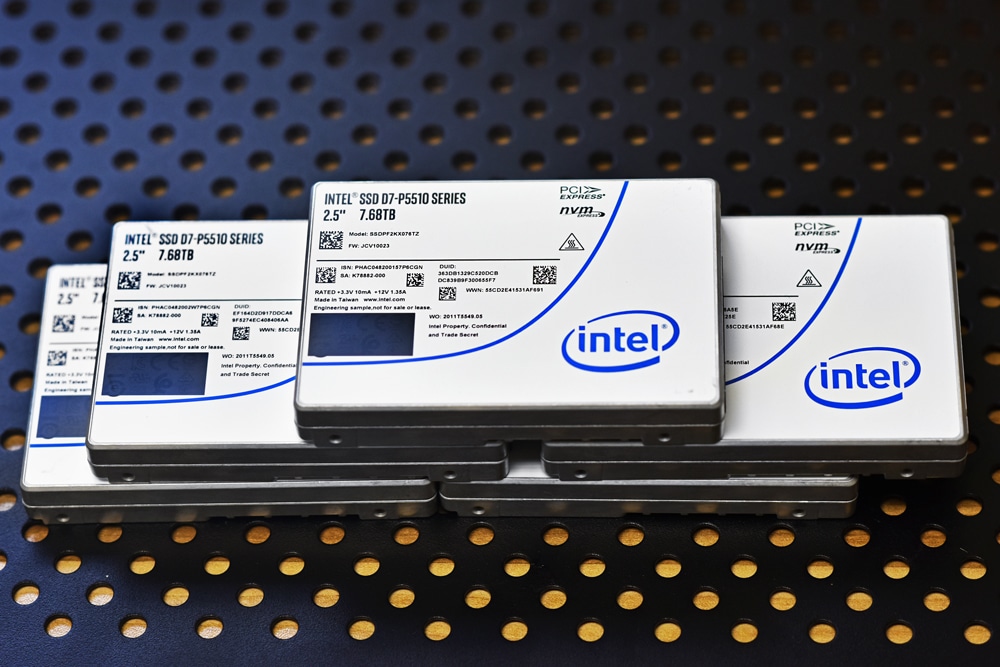
We in the IT community often obsess over show horses—the fastest and/or most powerful devices or systems—because we love those big and small numbers they showcase. The reality, however, is that most users simply don’t need the ostentatious power of show horses. They need workhorses, systems that can serve up real workloads on a day-to-day