

TensorWave has closed a $350 million Series B round at a $1.55 billion valuation to expand its AMD-based AI cloud infrastructure. The round, announced June 10, was co-led by Magnetar and AMD Ventures, with participation from existing investors Maverick Silicon, Nexus Venture Partners, and Western Frontier.
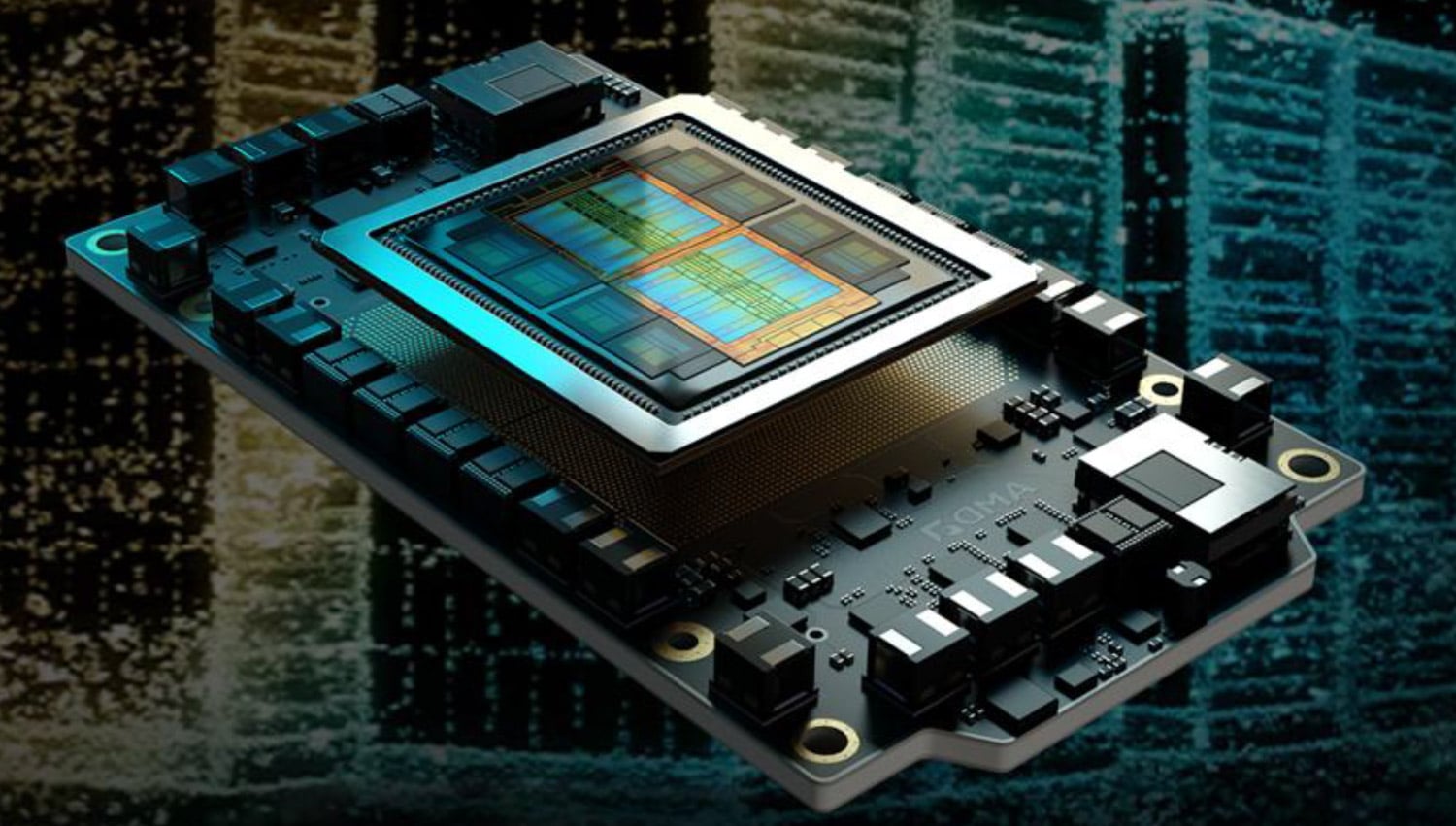
The new capital will fund deployment of next-generation AMD Instinct MI355X GPU clusters optimized for memory-intensive AI workloads, including large language model training, high-throughput inference, and generative AI applications. TensorWave said the expansion aims to meet growing demand for AI compute while offering an alternative to vertically integrated GPU cloud platforms through an open, AMD-based ecosystem.
TensorWave’s infrastructure is already used by AI developers including Fireworks AI and Luma AI to support production inference and large-scale generative AI workloads.
The company plans to use the investment to accelerate deployment of AMD Instinct MI355X systems across new North American data center locations. Executives said expanding access to high-memory GPU infrastructure will help organizations move AI projects from development into production while supporting increasingly demanding model sizes and workloads.
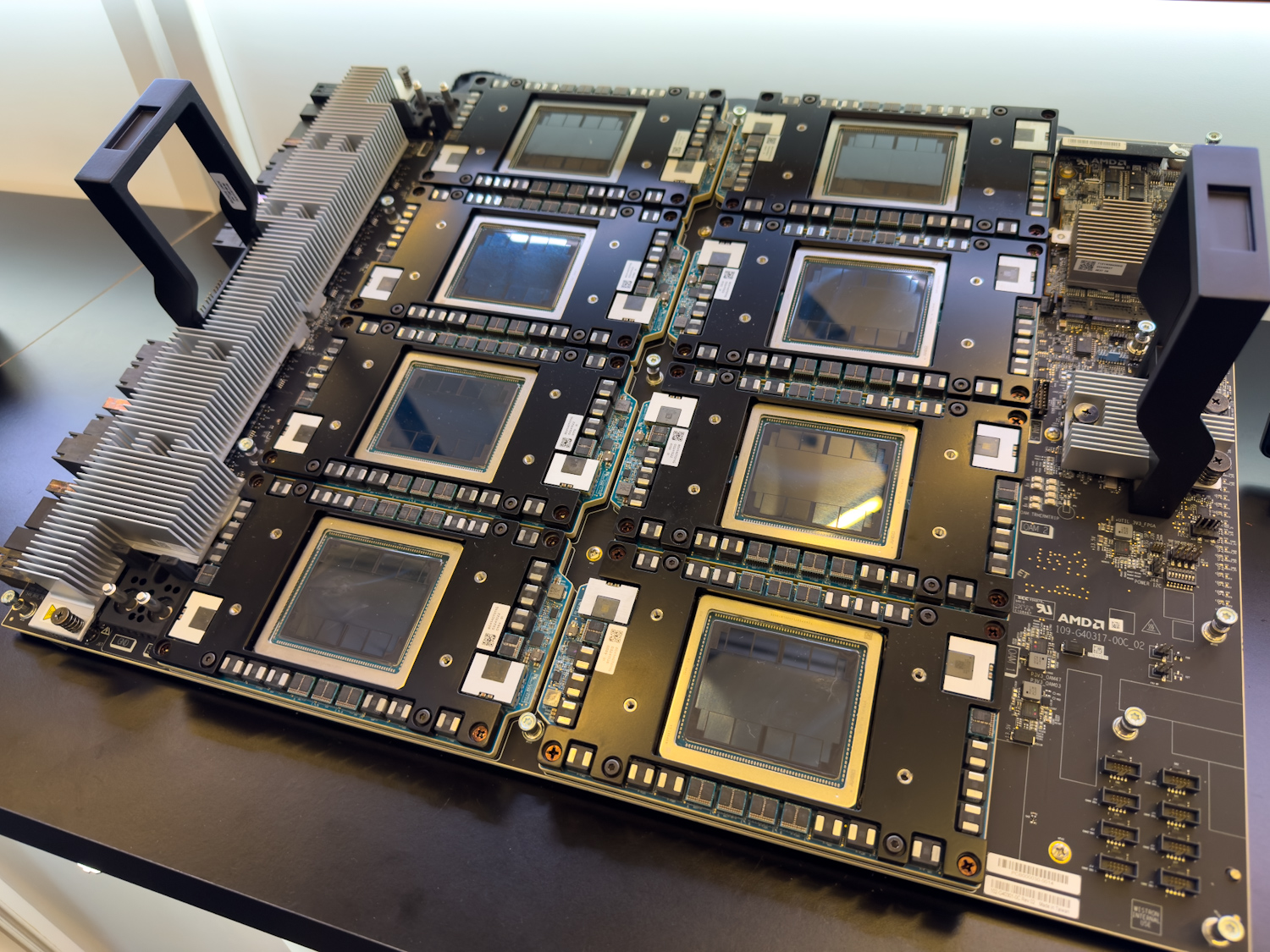
Since closing its Series A financing in May 2025, TensorWave reports significant infrastructure growth. The company now operates an AMD-based AI training cluster comprising 8,192 AMD Instinct MI325X GPUs, making it one of the largest AMD AI deployments in North America. It has also secured more than 2GW of long-term data center capacity to support future expansion for enterprise, research, and AI-native customers.
Alongside expanding its infrastructure footprint, TensorWave will continue growing its Las Vegas headquarters. Planned hiring spans engineering, infrastructure, operations, sales, and customer success roles to support ongoing platform growth and customer deployments.
“The next phase of AI will be defined by who can access enough compute to move from experimentation to production,” said Darrick Horton, CEO and Co-Founder of TensorWave. “As models grow larger and workloads become more demanding, enterprises need infrastructure with the memory capacity, performance, and flexibility to scale without being locked into a single ecosystem.”


 Amazon