
…started out by deploying a Lenovo ThinkServer RD630 in a variety of different configurations and testing power consumption at idle via Eaton Advanced ePDU to get baseline stats. These figures…


…started out by deploying a Lenovo ThinkServer RD630 in a variety of different configurations and testing power consumption at idle via Eaton Advanced ePDU to get baseline stats. These figures…

…to our Lenovo ThinkServer RD630. For caching SSDs we chose four of the SanDisk Optimus SAS SSD and Micron M500DC SATA SSD, as they are the front-runners in their respective groups….
…the comparable arrays was also benchmarked with our Lenovo ThinkServer RD630 Testbed: 2 x Intel Xeon E5-2690 (2.9GHz, 20MB Cache, 8-cores) Intel C602 Chipset Memory – 16GB (2 x 8GB)…
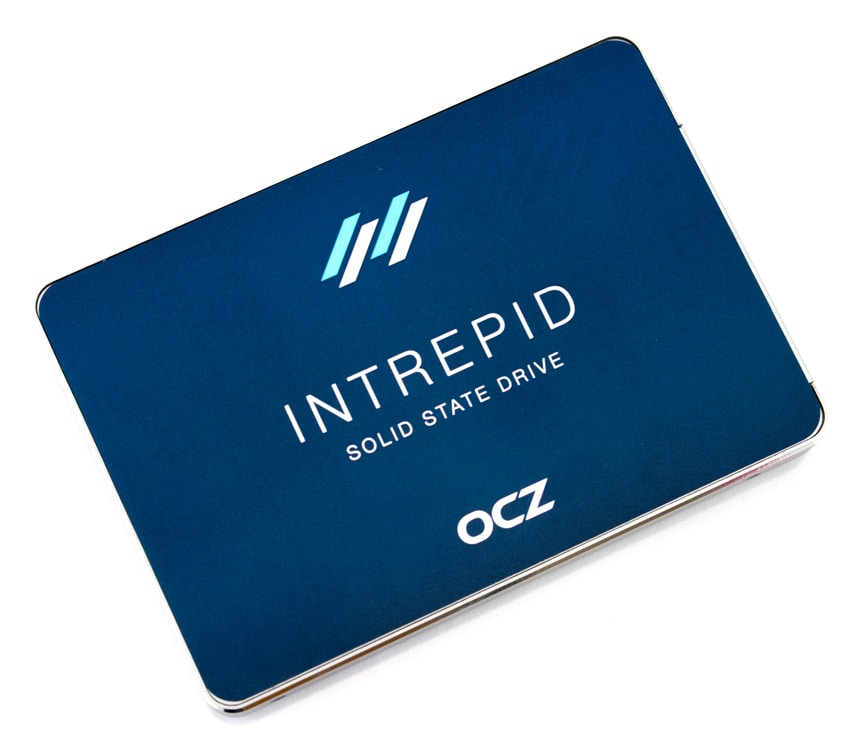
…nodes. Our protocol uses an SCST host and presents each SSD in JBOD, with one allocated per database node. The test repeats itself over 24 intervals, requiring between 30-36 hours…
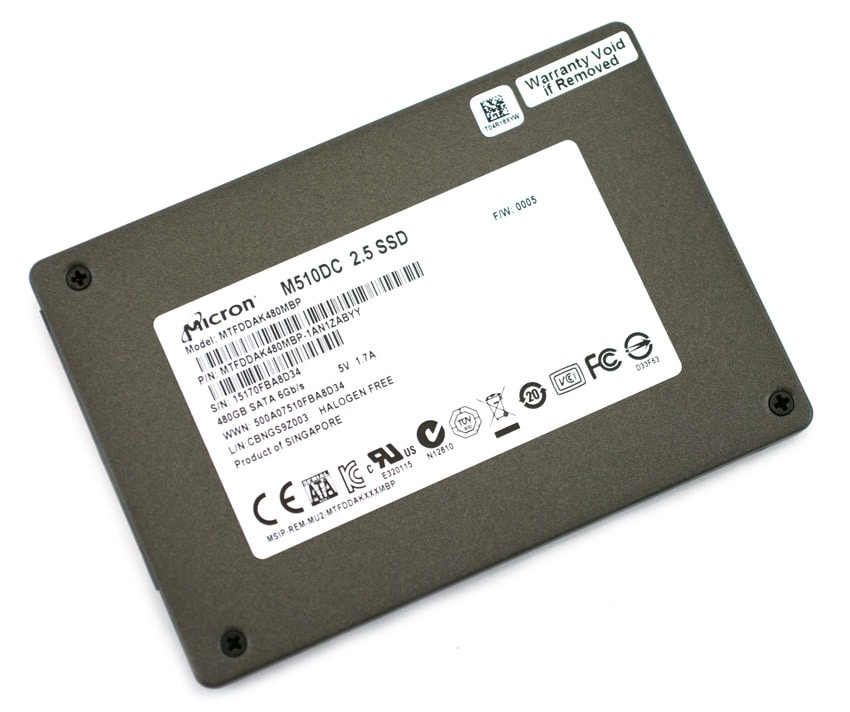
…NoSQL database requires roughly 650GB of space for its four database nodes. Our protocol uses an SCST host and presents each SSD in JBOD, with one allocated per database node….
…protocol uses an SCST host and presents each SSD in JBOD, with one allocated per database node. The test repeats itself over 24 intervals, requiring 30-36 hours total. MarkLogic records…
…has previously offered a more complicated redundancy option with some of their units, but the RC18015xs+ makes a great step forward with this two-node configuration. During our testing with MySQL,…
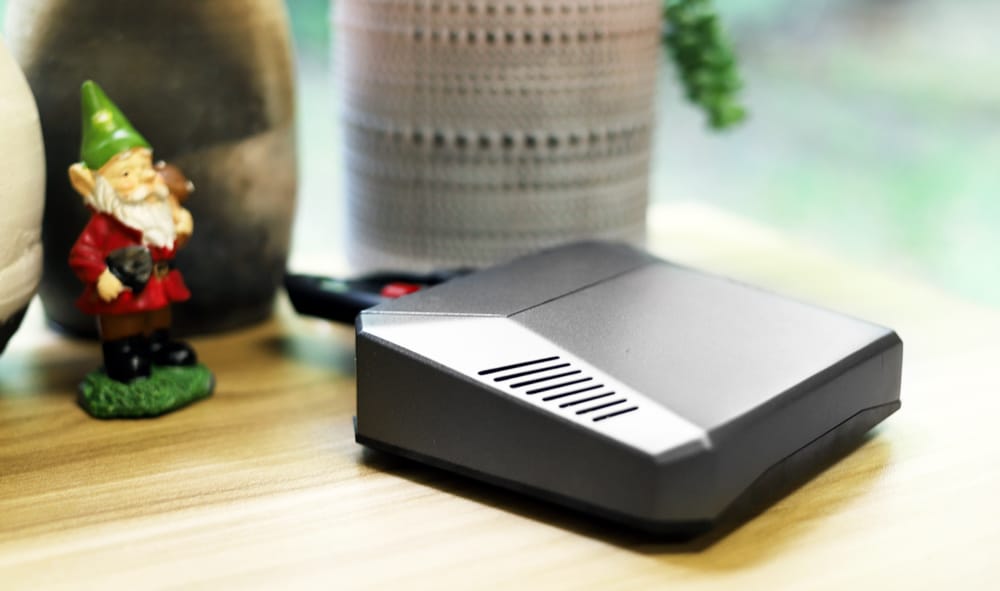
…restore your wallet – the network needs to sync if you want the Rasberry Pi to become a full node. If you prefer to put less load on the device…
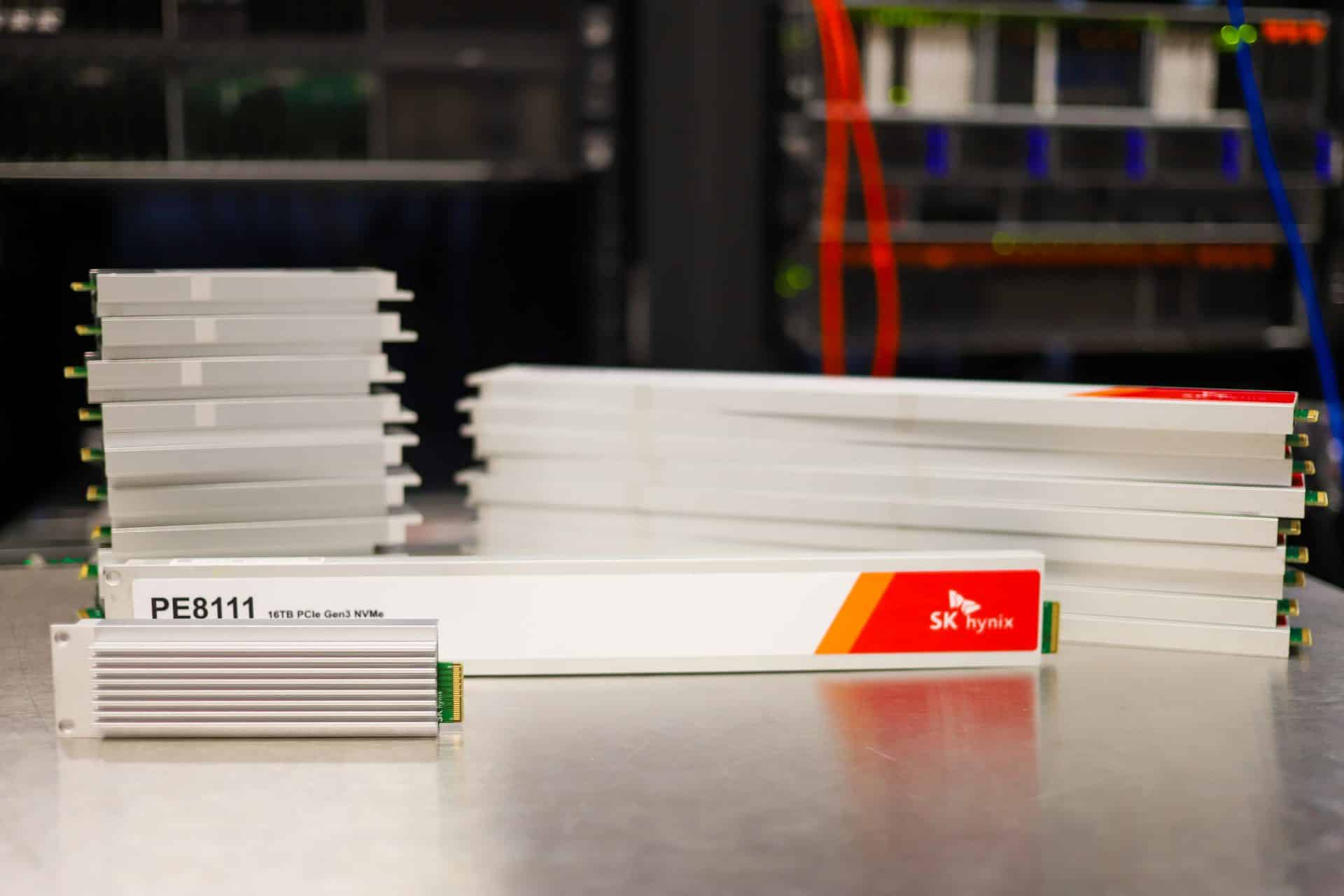
…most use cases include hyperscalers or cloudscale data centers. That said, a number of server vendors are pushing their E1.S adoption forward. Above is a two-node Viking Enterprise Solutions server….
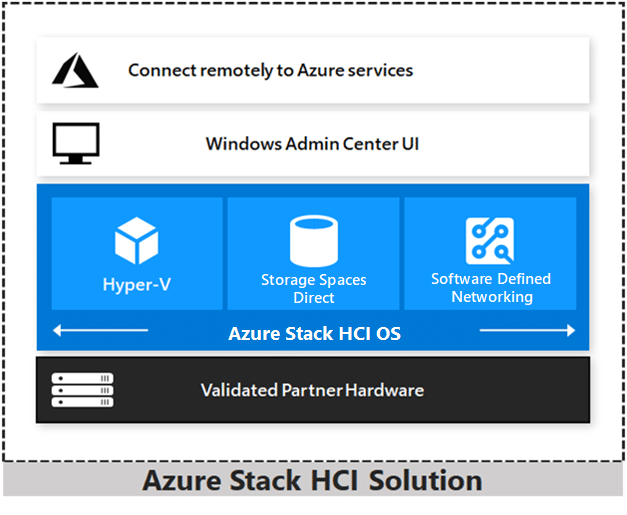
…node solution. At the Microsoft Inspire event, the company announced the next generation of its Azure Stack HCI. This technology stack has been around for a bit, so what it…


 Amazon