
To validate the advantages of DRAM in AI systems we conducted a series of tests using eight Kingston KSM56R46BD4PMI-64HAI DDR5 memory modules.
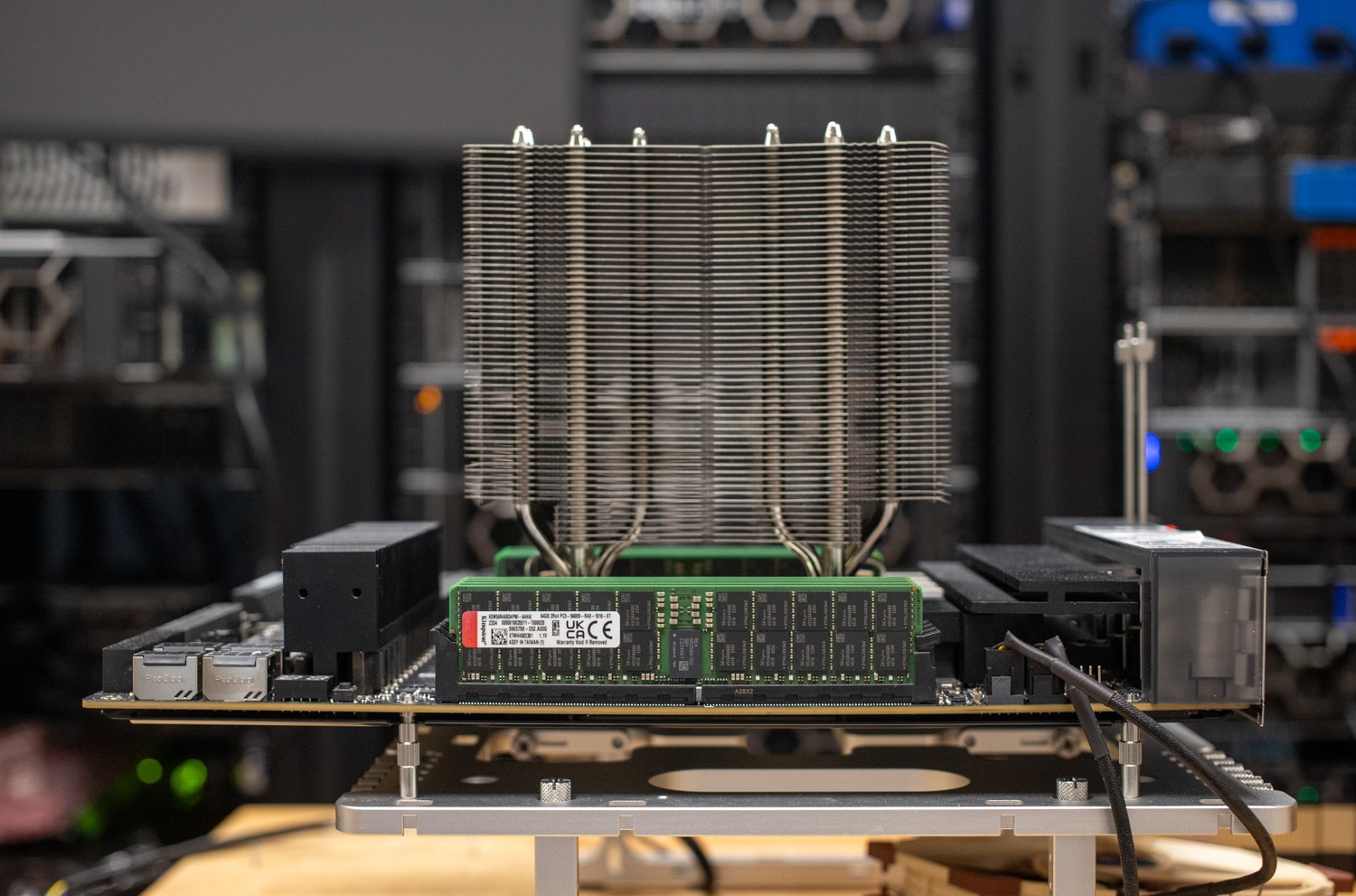

To validate the advantages of DRAM in AI systems we conducted a series of tests using eight Kingston KSM56R46BD4PMI-64HAI DDR5 memory modules.
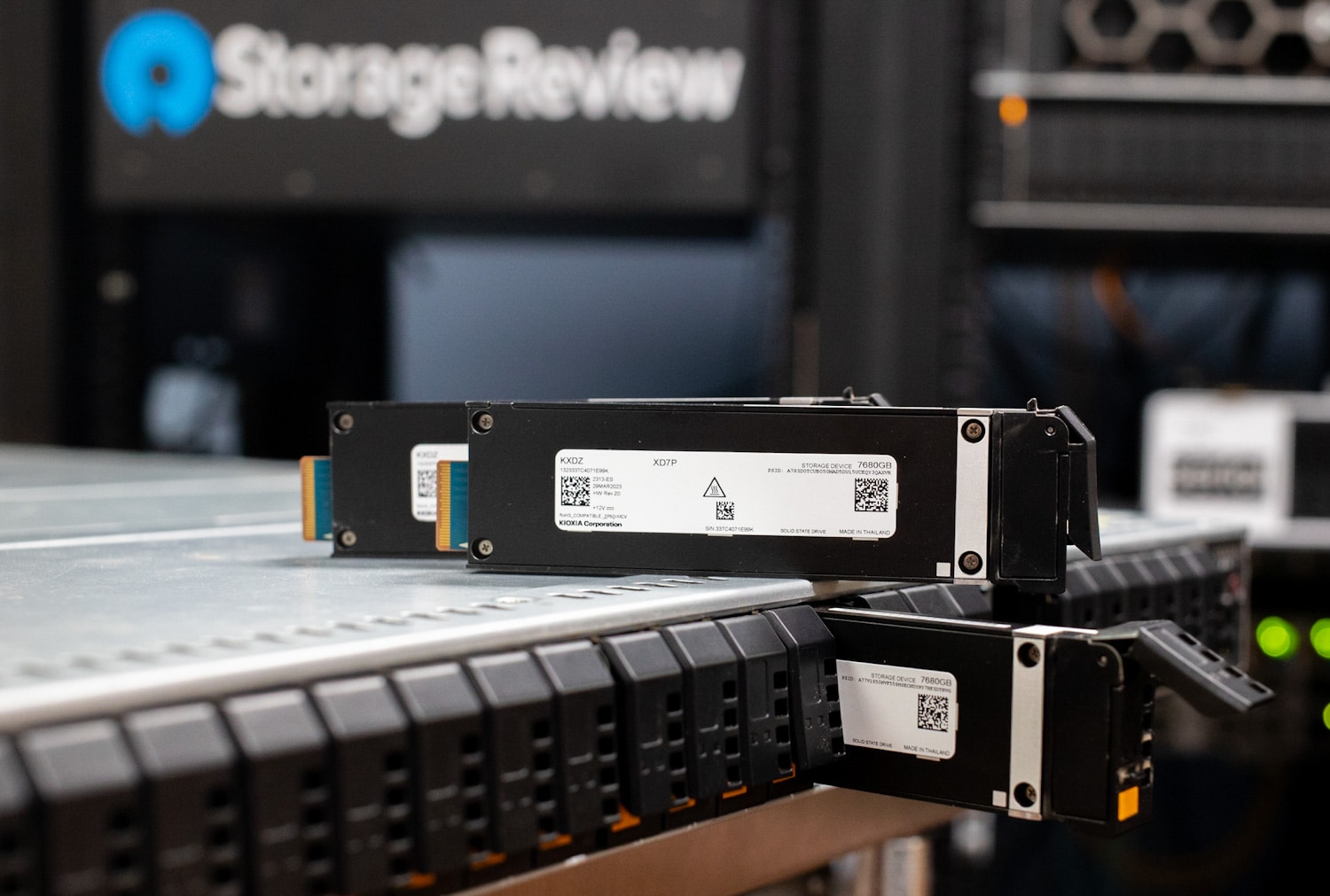
While there’s a significant amount of hype around dense GPU servers for AI, and rightfully so, the reality is that most AI training projects start on workstations. Although we can now jam up to four NVIDIA A6000 Ada GPUs into a single workstation, what’s more challenging is getting robust storage in these AI boxes. We
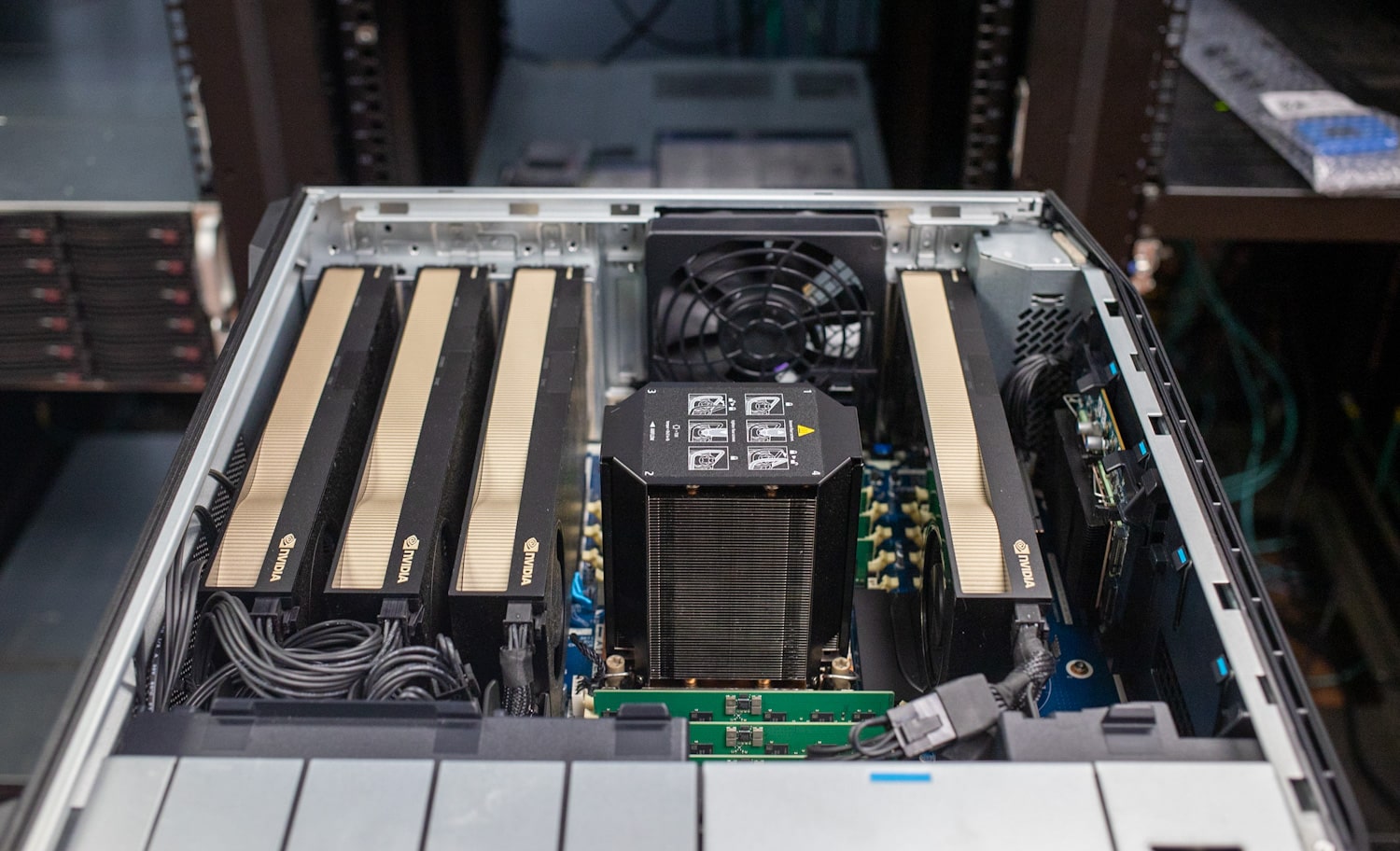
The landscape of graphics processing units (GPUs) has experienced seismic shifts over the past two decades, much more recently with the surge of AI. A significant part of this evolution has been the development of technologies that allow multiple GPUs to work in tandem. NVIDIA, a frontrunner in the GPU space, has been at the
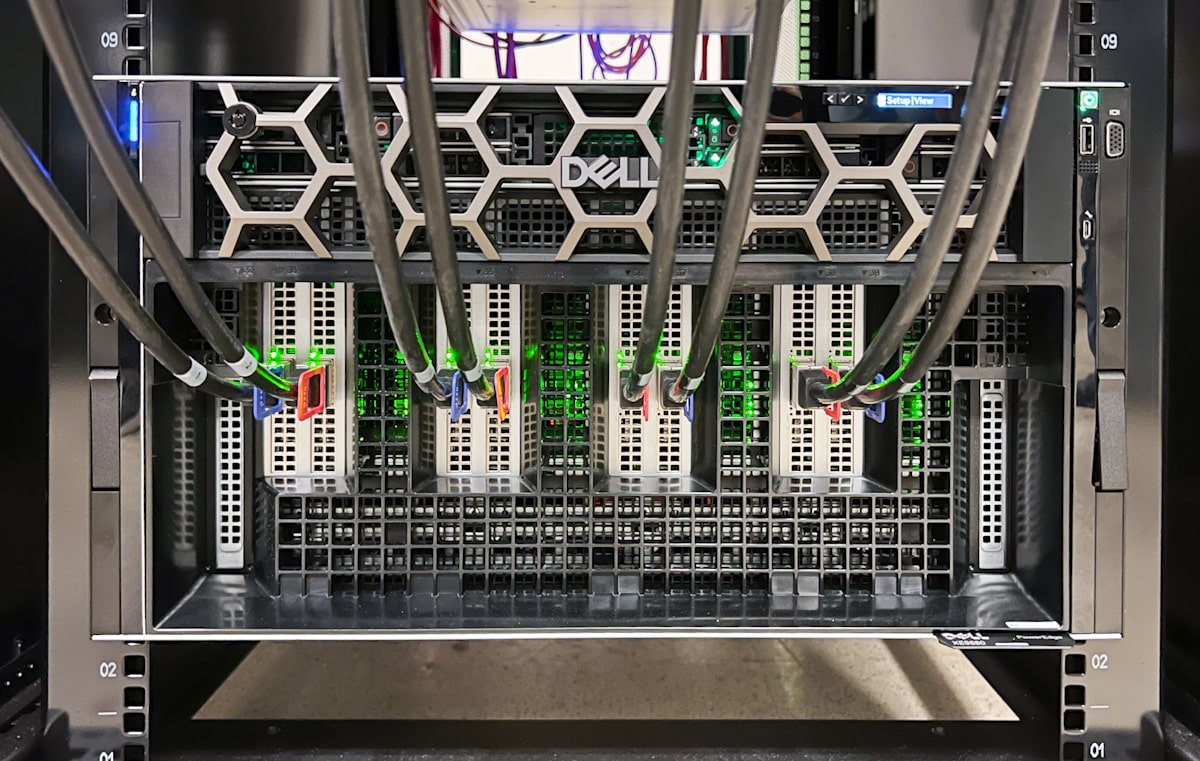
We usually wait until the end of the article to paint the whole picture and complete the review. However, the Dell PowerEdge XE9680 presents such an exciting piece of hardware we couldn’t wait to share our excitement with this positive review. Dell’s design is centered around the needs of AI, providing an immense amount of

The rapid progression of Artificial Intelligence in 2023 is unparalleled, and at the center of all this fanfare (drumroll please) are Generative AI models, with a prime example being the Large Language Model (LLM), like ChatGPT. These LLMs have garnered significant attention for their capability to generate human-like text by providing responses, generating content, and
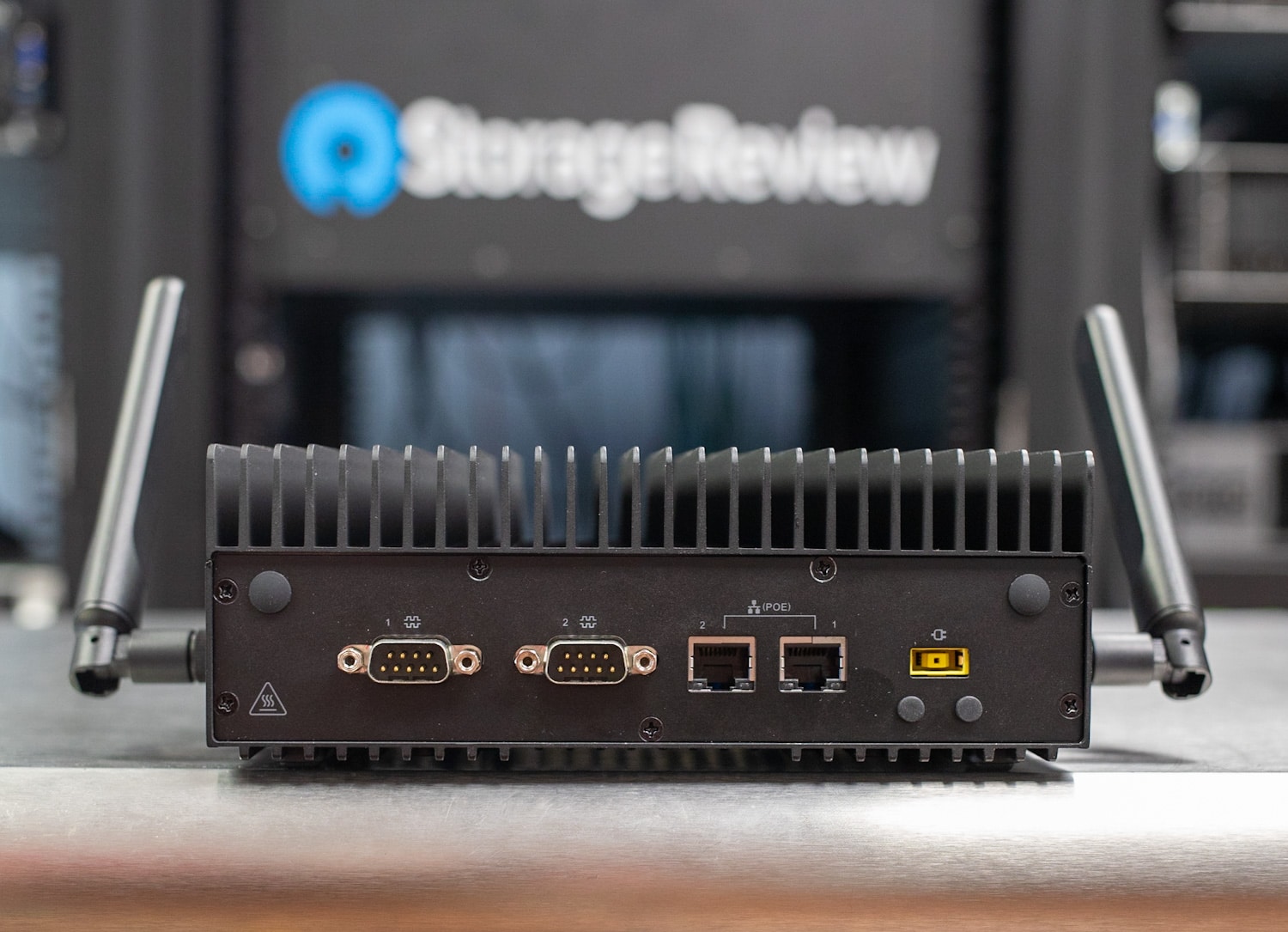
Lenovo and NVIDIA have teamed up to develop an advanced AI and computer vision platform, the Lenovo ThinkEdge SE70. This platform has been designed to transform existing camera infrastructures into intelligent automated environments, making it an ideal solution across diverse industries.
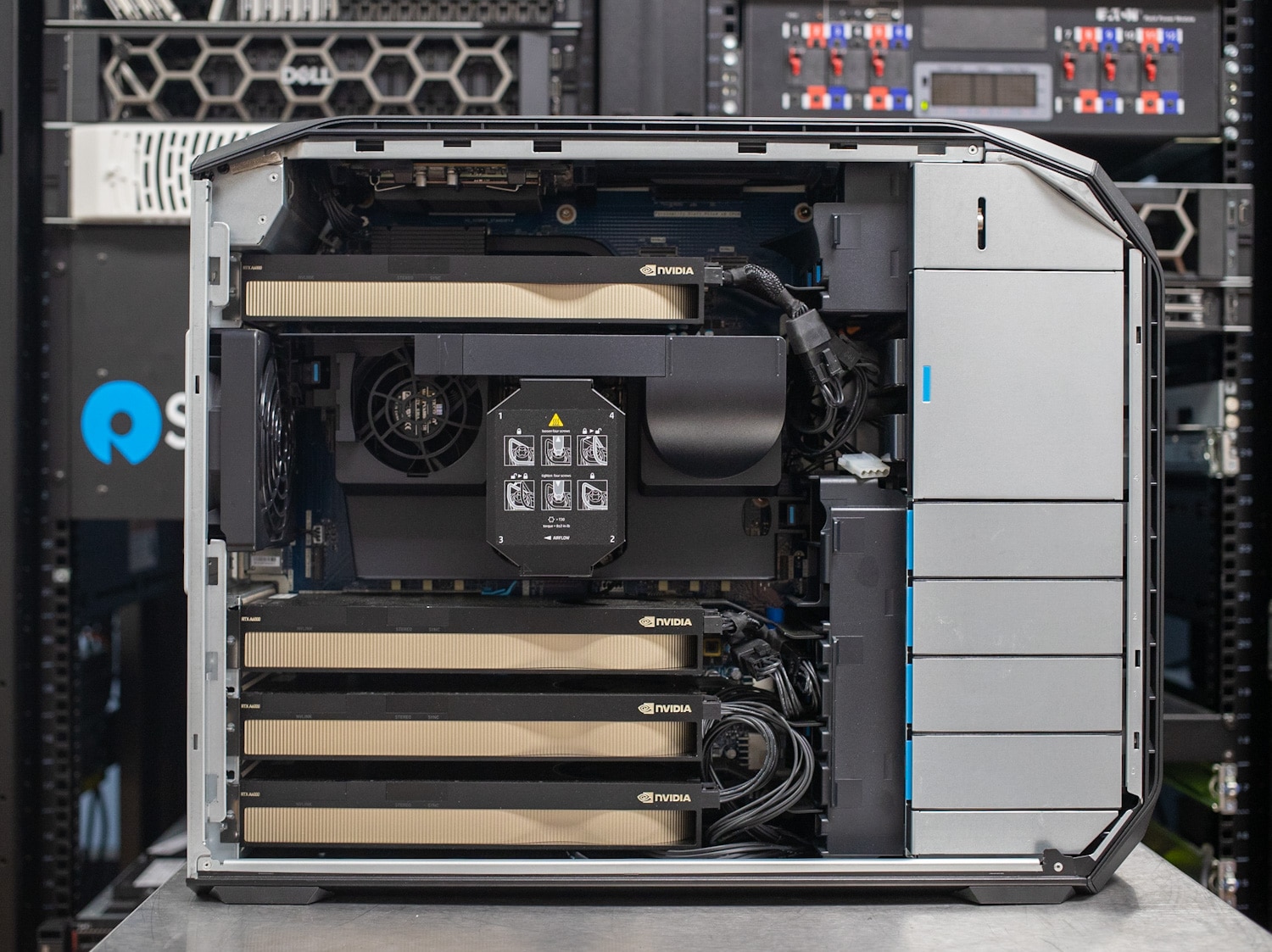
The world of Artificial Intelligence is evolving at breakneck speed, blink, and you will miss the next advance. With model sizes getting larger and larger, researchers and developers are constantly seeking ways to improve the efficiency and performance of AI models. One of the easiest ways to achieve this is using multiple Graphics Processing Units
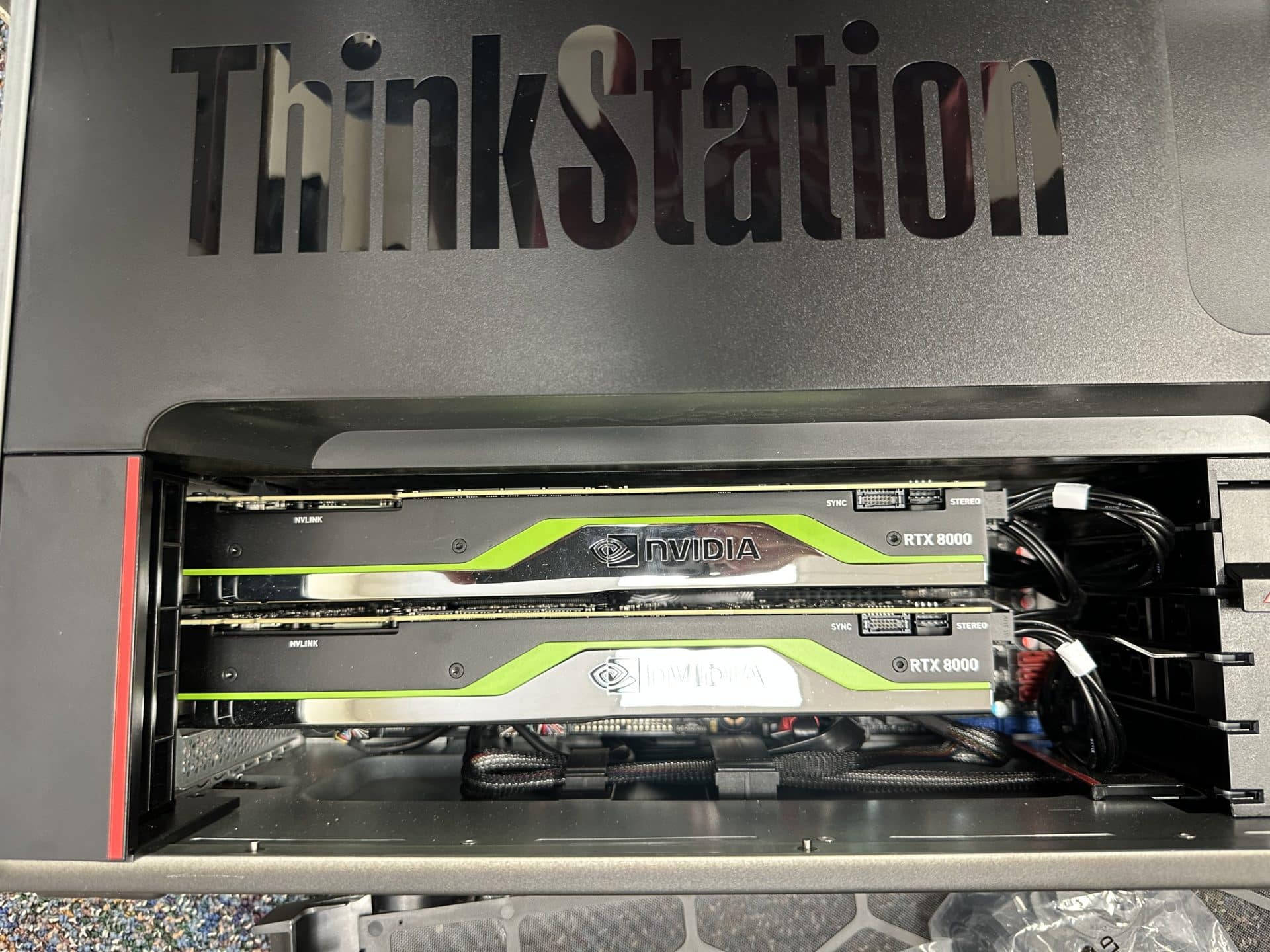
In recent months, large language models have been the subject of extensive research and development, with state-of-the-art models like GPT-4, Meta LLaMa, and Alpaca pushing the boundaries of natural language processing and the hardware required to run them. Running inference on these models can be computationally challenging, requiring powerful hardware to deliver real-time results.


 Amazon