

IBM has entered a definitive agreement to acquire HRL Laboratories, LLC, a private research and development organization jointly owned by Boeing and General Motors. Financial terms were not disclosed. The transaction is expected to close by the end of the third quarter of 2026, subject to customary conditions and regulatory approvals.
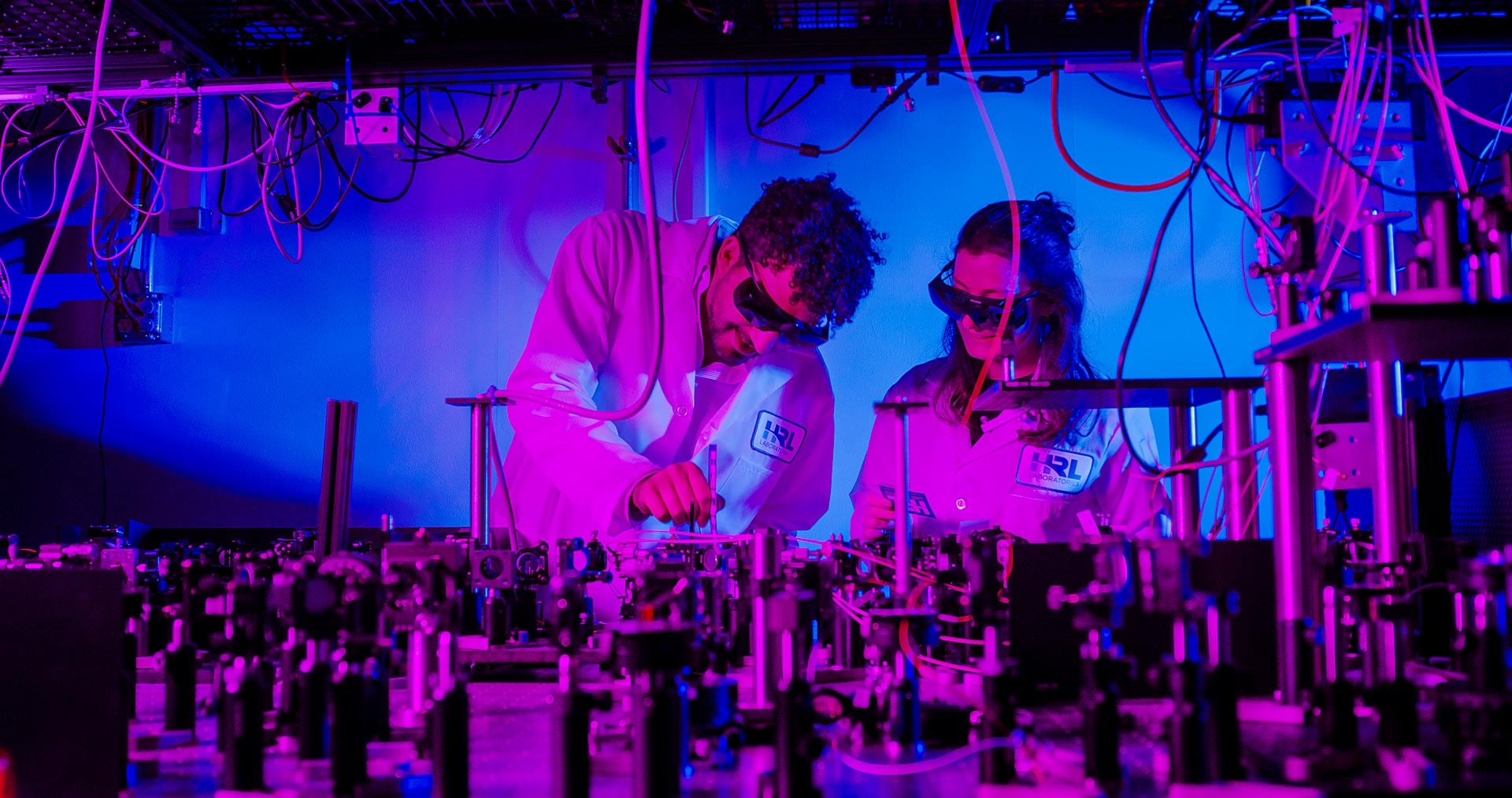
Following the acquisition, Boeing and General Motors are expected to continue working with IBM on quantum applications and the development of advanced technologies.
The deal adds HRL’s silicon spin-qubit research to IBM’s quantum computing portfolio. IBM’s current quantum systems are based primarily on superconducting qubit architectures, while HRL has developed expertise in silicon-based spin qubits, quantum sensing, communications, electronics, manufacturing, and materials science.
Silicon Spin Qubits Add a Second Quantum Hardware Path
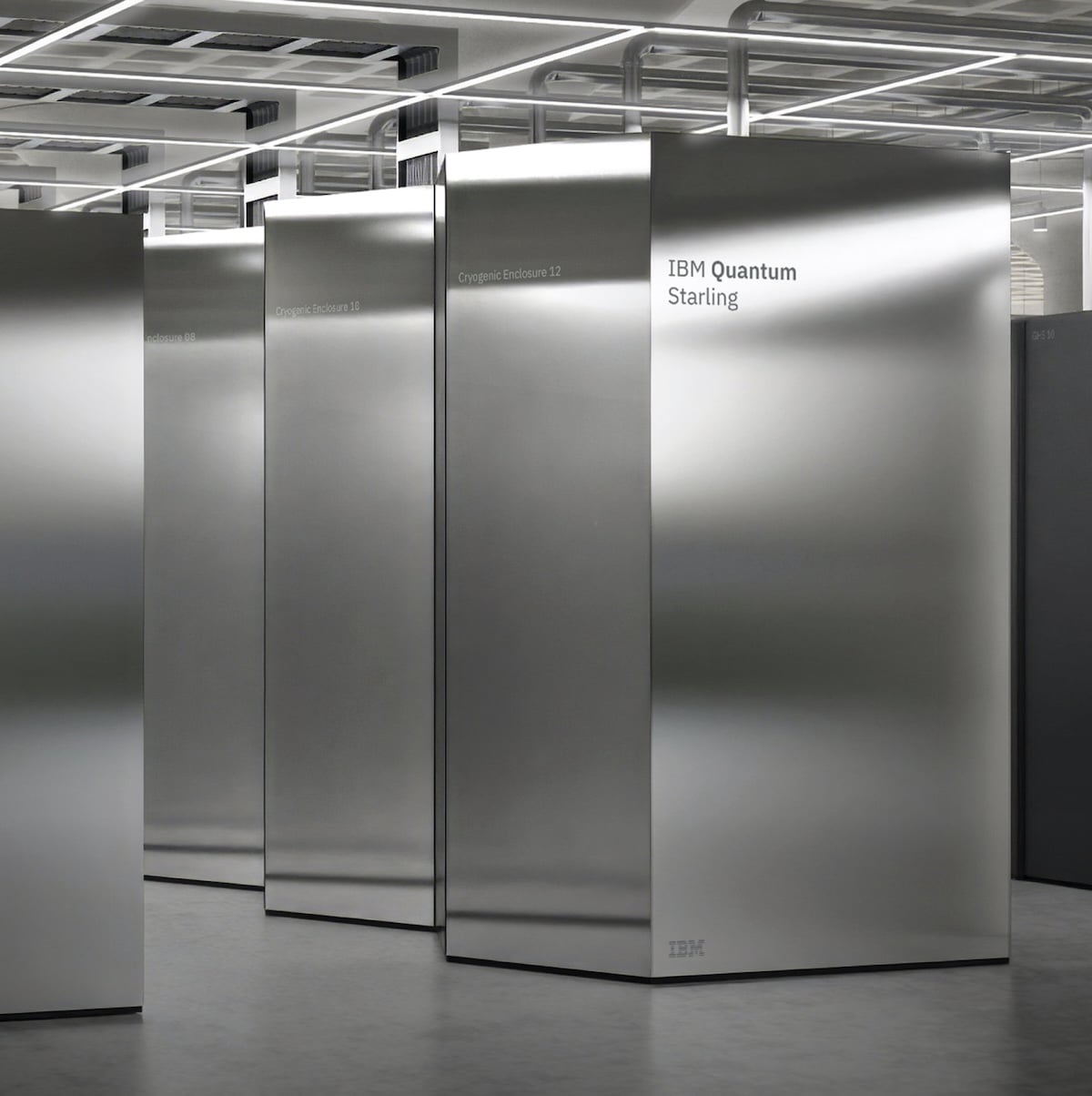
IBM is pursuing large-scale, fault-tolerant quantum computing through superconducting qubits. Its Quantum Starling system is planned for 2029, which IBM says will be 20,000 times more powerful than today’s quantum computers and capable of running 100 million quantum operations. The company’s longer-term roadmap includes the Blue Jay system, projected to handle 1 billion quantum operations in the mid-2030s.
HRL brings experience in silicon spin-qubit technology, an alternative hardware approach using electron spin states in semiconductor structures as quantum bits. Both superconducting and spin-qubit designs depend on advanced fabrication, cryogenic infrastructure, control electronics, interconnect technologies, and packaging. Silicon spin qubits are of particular interest because they may offer a path to leverage established semiconductor manufacturing techniques for future scaling.
IBM indicated that HRL’s work could help broaden its research into practical approaches for scaling quantum hardware over the next decade. The acquisition also gives IBM deeper capabilities in supporting technologies required for quantum systems, including cryogenics, qubit control, chip packaging, and high-speed communications.
Quantum Sensing and Materials Research Broaden Scope
Beyond quantum computing, HRL’s research portfolio includes quantum sensing and quantum materials. Quantum sensors can measure small changes in magnetic fields, motion, time, and other physical phenomena with high precision. Potential applications include life sciences, navigation, defense, industrial instrumentation, and scientific research.

IBM expects HRL’s work in materials science and semiconductor technologies to contribute to future generations of quantum devices and sensing platforms. New materials may improve qubit performance, sensor sensitivity, device reliability, and manufacturability across several emerging technology categories.
HRL also brings decades of development work for commercial and U.S. government customers in high-power and high-speed communications, electronics, advanced manufacturing, sensors, and materials science. IBM is positioning these capabilities as relevant to broader computing, communications, and mission-critical technology programs.
Potential Link to IBM’s Quantum Manufacturing Efforts
IBM stated that HRL could also create opportunities for closer collaboration with Anderon, the quantum wafer foundry it announced in May 2026 and described as the world’s first pure-play quantum foundry. Anderon is being established as a standalone IBM company with support from the U.S. Department of Commerce, aiming to provide scalable and repeatable quantum hardware manufacturing across multiple quantum computing modalities.
Adding HRL’s spin-qubit expertise could support future research into scalable spin-qubit fabrication and shorten development cycles between quantum-device research and manufacturing.


 Amazon