

NVIDIA has introduced Omniverse libraries, a set of software components designed to bring physical AI capabilities into existing 3D applications and prepare content for simulation. The libraries are intended to help developers, technical artists, and engineering teams build workflows that inspect scenes, validate assets, model physical behavior, and generate sensor data for robotics, factory automation, and autonomous-system development.
Physical AI systems typically require training and validation in simulated environments before deployment. That process depends on more than photorealistic 3D content. Simulation assets must include correct geometry, materials, scale, labels, sensor definitions, and physical properties such as mass, friction, and collision behavior. NVIDIA positions the new libraries as building blocks for AI agents that can assist with these preparation and validation tasks inside established design and content-creation environments.
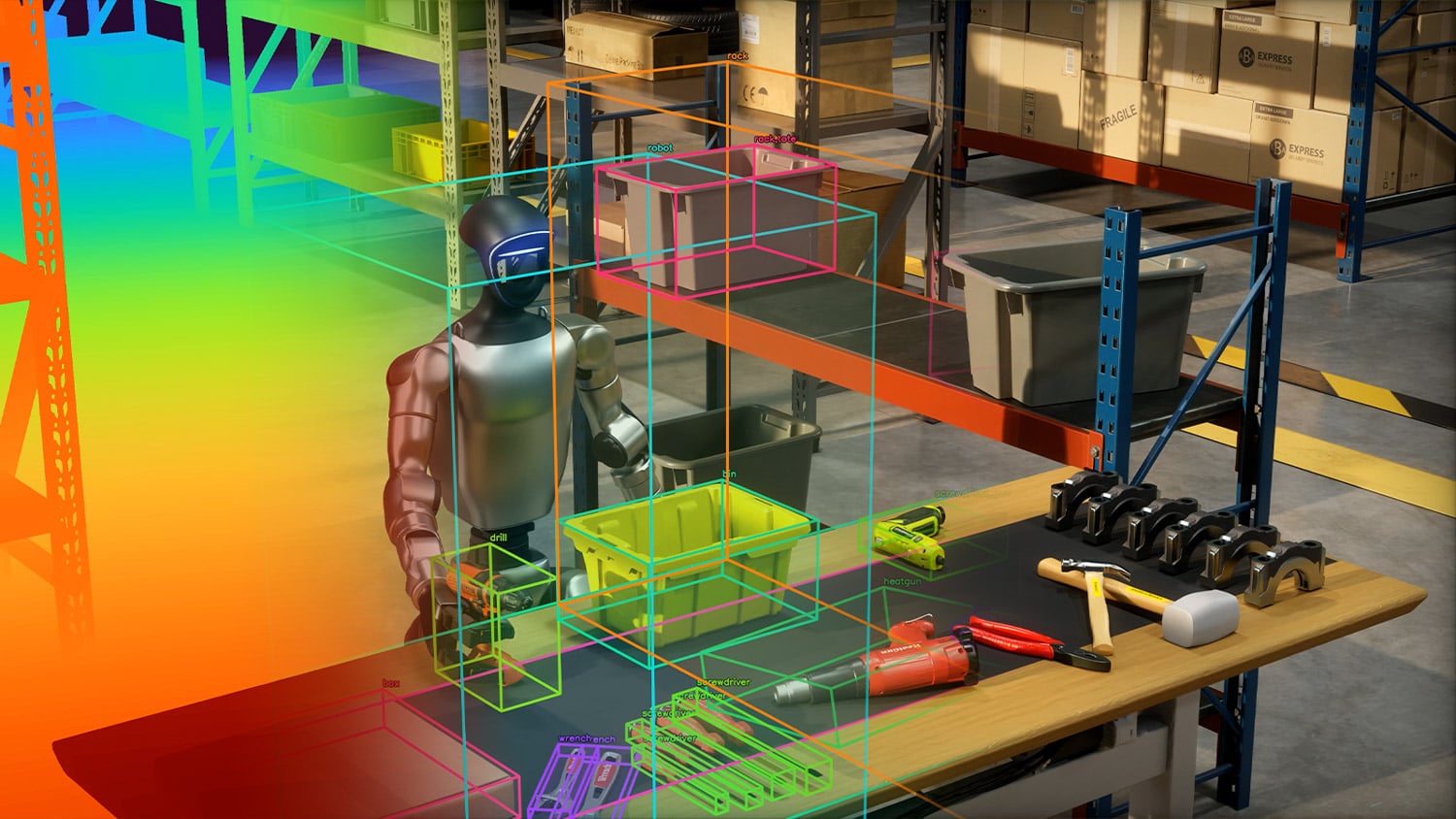
The initial release includes ovrtx, ovphysx, and CAD-to-SimReady skills. The components are available on GitHub, alongside a Blender integration blueprint that demonstrates how developers can add agent-ready simulation features to an existing 3D application.
ovrtx provides NVIDIA RTX-based sensor simulation, enabling applications to generate virtual camera, lidar, radar, and other sensor outputs from 3D scenes. This capability allows developers to assess how a physical AI system would perceive a simulated environment before testing hardware in the field.
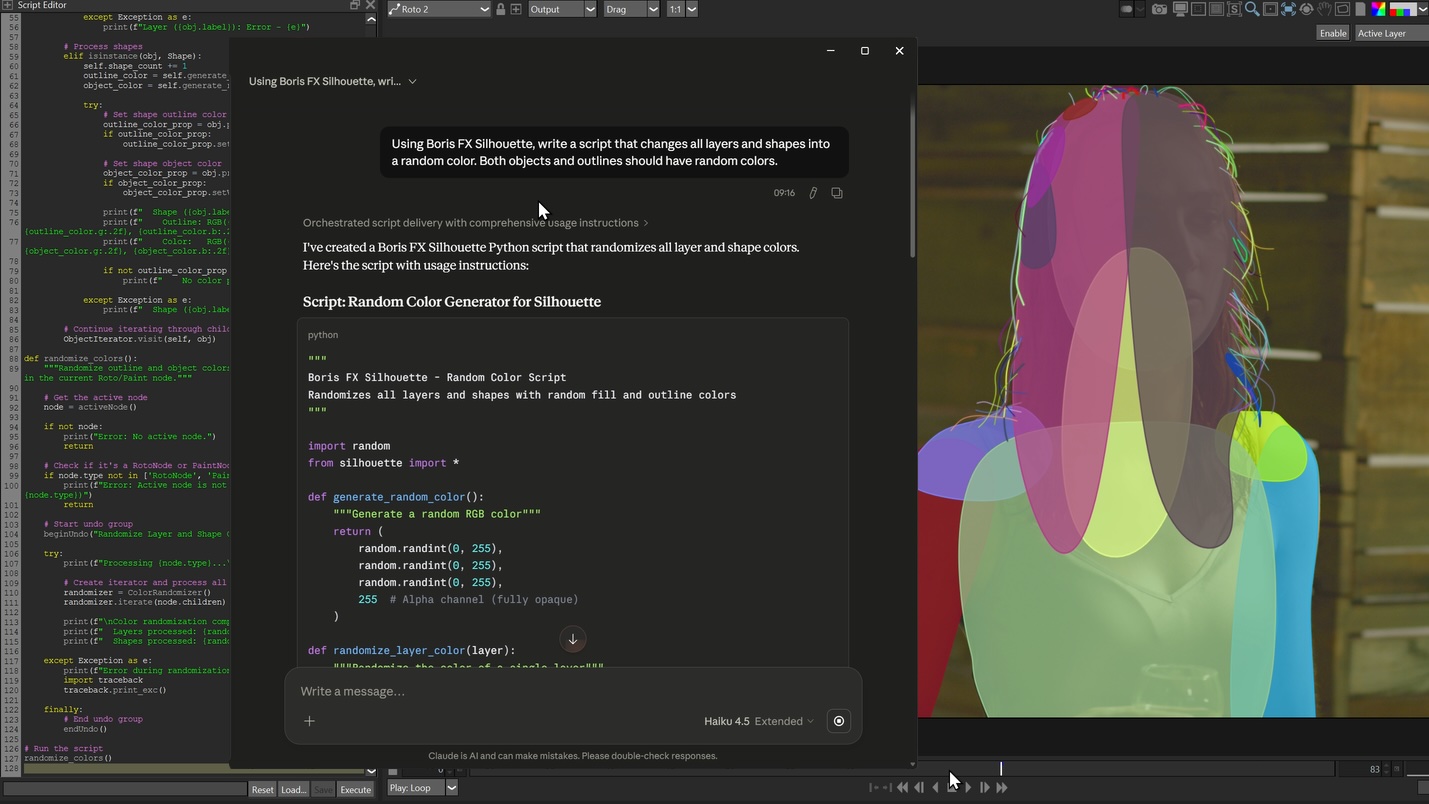
The ovphysx library brings GPU-accelerated physics capabilities to simulation workflows. It supports modeling of collisions, mass, friction, motion, and other physical interactions required to evaluate robotic behavior and industrial processes in a virtual environment.
CAD-to-SimReady skills focus on converting CAD data into OpenUSD-based SimReady assets. The workflow is intended to preserve engineering content while adding the structure and simulation attributes needed for physical AI development, including robotics and autonomous-system testing.
Early Software Integrations
SideFX and PTC are among the software providers working with the Omniverse libraries. SideFX is evaluating OpenUSD workflows with ovrtx and ovphysx as part of its Houdini procedural 3D content-creation environment. The effort aims to enable agent-assisted workflows for generating procedural content, evaluating physics, and preparing scenes for simulation, while keeping technical artists in control of the underlying creative process.
PTC is integrating OpenUSD and ovrtx into its Onshape CAD and product data management platform. The integration is intended to connect cloud-native design workflows with physical simulation, allowing engineering teams to carry product content across CAD, PDM, collaboration, validation, and simulation processes without repeatedly reworking assets.
At SIGGRAPH 2026, NVIDIA demonstrated a SimReady Blender workflow built with the Omniverse libraries and the NVIDIA Nemotron Ultra open model. The reference implementation shows how developers can introduce RTX sensor simulation, physics, and validation into Blender-based workflows while retaining creator control. NVIDIA has made the Blender blueprint publicly available.
The company stated that these workflows can run locally across systems ranging from compact NVIDIA RTX Spark devices to NVIDIA GB300-powered DGX Station systems. NVIDIA expects RTX Spark systems from several OEM partners to become available in the fall, while DGX Station systems are available through multiple system providers.
Startups Build Agent-Assisted Asset Pipelines
Several startups are also applying Omniverse components to asset and scene-preparation workflows. Palatial is using CAD-to-SimReady skills to automate the creation and validation of SimReady assets from CAD files at scale. Lightwheel uses NVIDIA Content Agents and OpenUSD in its SimReadyGen technology to generate physically accurate simulation assets from text prompts.
ForgeCAD and MoonlakeAI are developing agent-powered 3D workflows built on Omniverse capabilities. Their work focuses on assisting with the creation, enhancement, and preparation of assets for simulations used to train and validate real-world AI systems.


 Amazon