

Veeam Software is entering a new phase in its strategic partnership with HPE, focusing on integrated solutions that simplify data resilience across hybrid and modern application environments. The joint portfolio targets enterprises that require reliable protection, quick recovery, and ease of operation across virtualized, containerized, and cloud workloads.
From Veeam’s perspective, trust, resilience, and availability have become core business assets rather than support functions. The expanded partnership with HPE is positioned to help customers better protect, recover, and leverage data in heterogeneous environments, with an emphasis on agility and confidence in day-to-day operations.
HPE aligns with this strategy by framing Veeam as a key element in its broader hybrid cloud and cybersecurity portfolios. Combined, the two vendors are focusing on resiliency, operational simplification, and accelerated innovation for modern, distributed IT architectures.
Protection for HPE Morpheus VM Essentials and Containers
One of the headline additions is new protection for HPE Morpheus VM Essentials Software. Currently in beta, a Veeam plugin delivers hypervisor-based image backups for virtual machines running on VM Essentials. This enables secure, reliable protection for hybrid workloads, where VM Essentials serves as a lightweight virtualization layer in multi-cloud or edge scenarios.
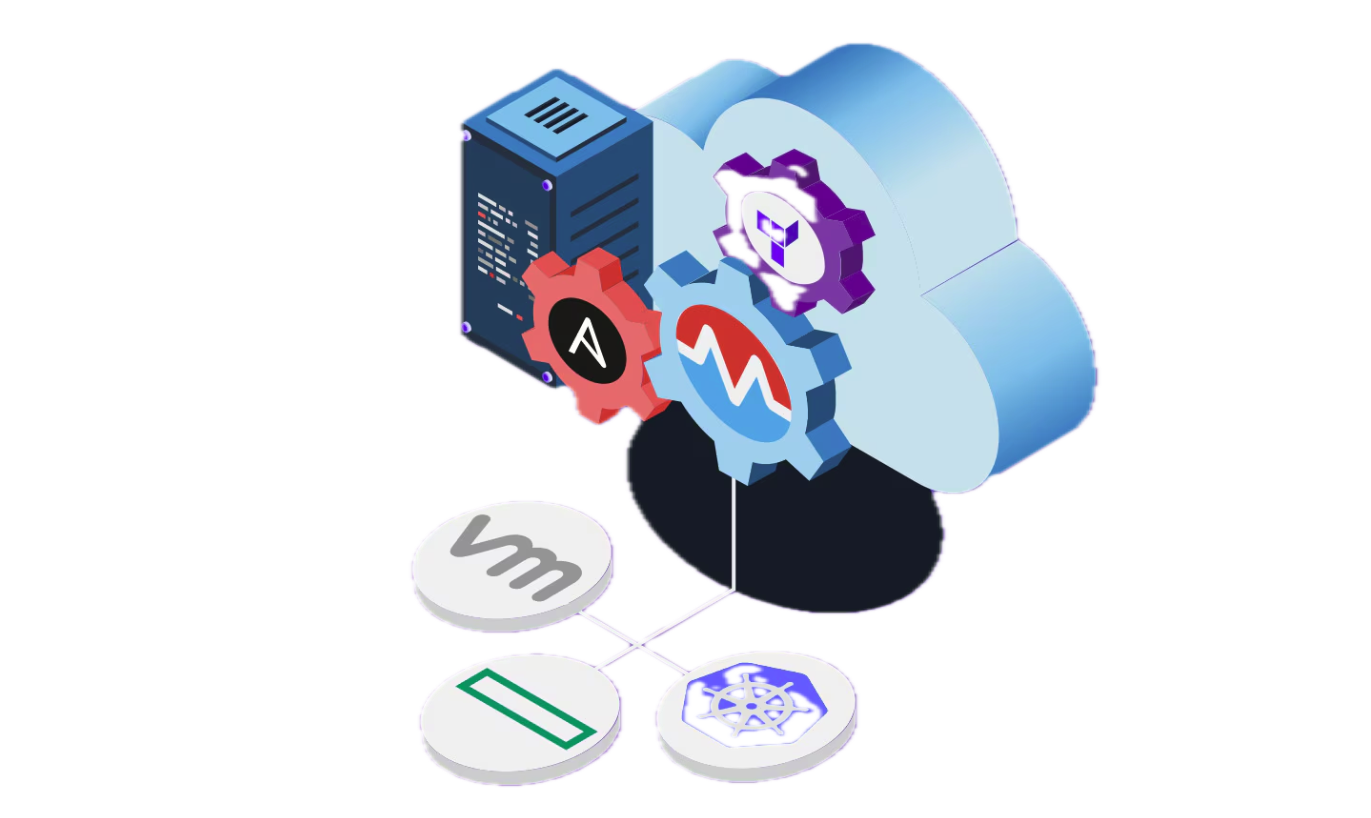
In parallel, HPE has validated Morpheus Enterprise Software container services as Veeam-ready. This enables Veeam to protect containerized workloads orchestrated by Morpheus using the same operational model as virtual machines. For technical buyers, this means consistent policies, centralized management, and a unified protection strategy across VMs and containers, rather than separate point tools.
HPE Private Cloud Business Edition with Veeam Data Platform
Enterprises will soon be able to deploy HPE Private Cloud Business Edition with the Veeam Data Platform as an integrated solution. This combination is designed to replace fragmented, do-it-yourself data protection stacks with a more cohesive experience.
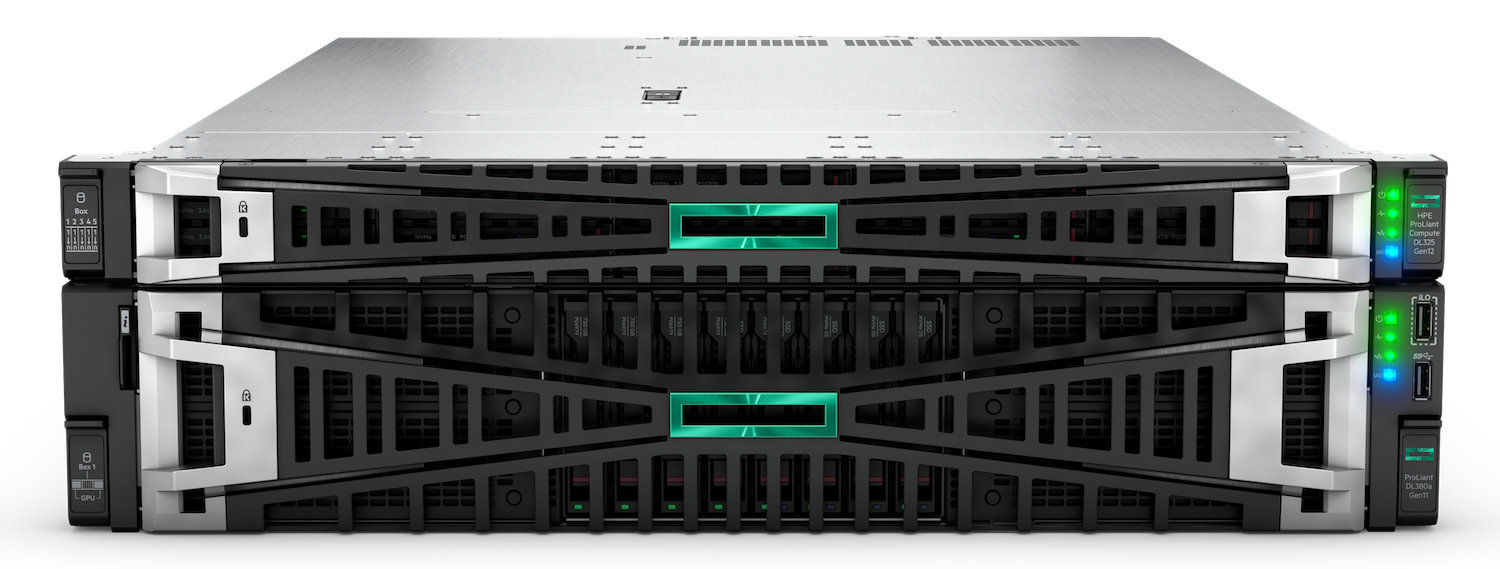
The Veeam Data Platform brings data portability and resilience across VMware and HPE VM Essentials environments. This allows organizations to:
- Move workloads between hypervisors without losing protection policies
- Standardize backup and recovery workflows across heterogeneous virtualization platforms
- Reduce operational complexity in environments that are transitioning away from a single hypervisor strategy
From a deployment and support perspective, integrating Veeam with HPE Private Cloud Business Edition is intended to streamline rollout, reduce troubleshooting overhead, and provide a more predictable lifecycle for private cloud infrastructure and its associated data protection.
Storage Efficiency with Veeam Data Platform and HPE StoreOnce
The partnership also extends deep into backup storage efficiency. Veeam Data Platform integrates with HPE StoreOnce via StoreOnce Catalyst to increase density and lower storage-related costs for backup and long-term retention.
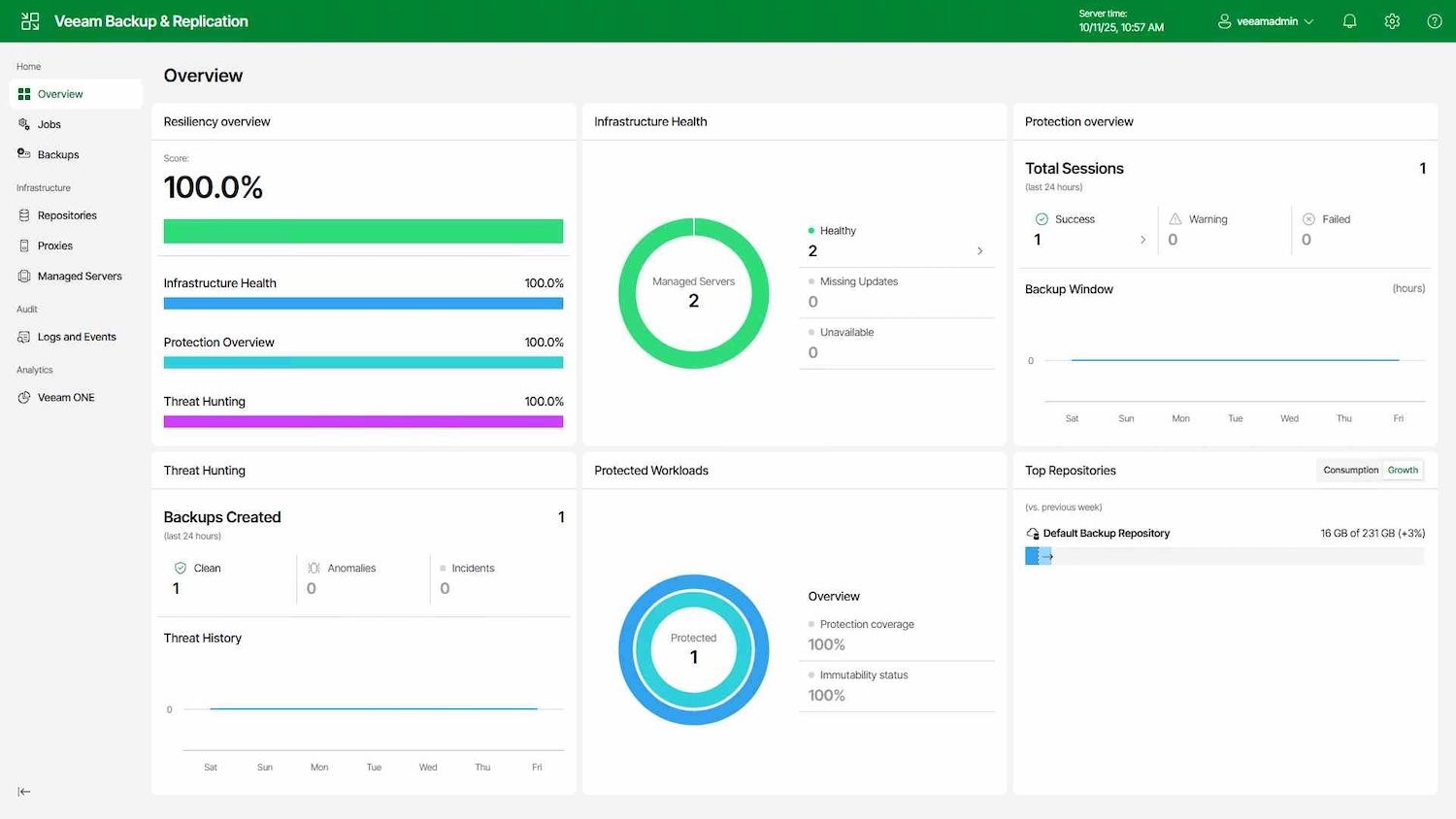
This integration is engineered to deliver aggressive data reduction ratios, remove practical limits on incremental backups, and improve restore performance. Higher deduplication and efficient Catalyst-based movement of backup data enable new hybrid cloud use cases, such as:
- Long-term, cost-optimized retention of large backup datasets
- Faster recovery scenarios that benefit from StoreOnce performance and locality
- Lower total cost of ownership for backup infrastructure, especially at scale
For technical sales teams, the StoreOnce and Veeam combination creates a concrete value story around capacity optimization and recovery SLAs, rather than simply adding another backup target.
Expanded Support for HPE Alletra Storage MP B10000
Veeam Data Platform now includes extended support for HPE Alletra Storage MP B10000, with a focus on performance and resilience for mission-critical workloads. This support includes NVMe capabilities that improve throughput and latency for backup and recovery operations.
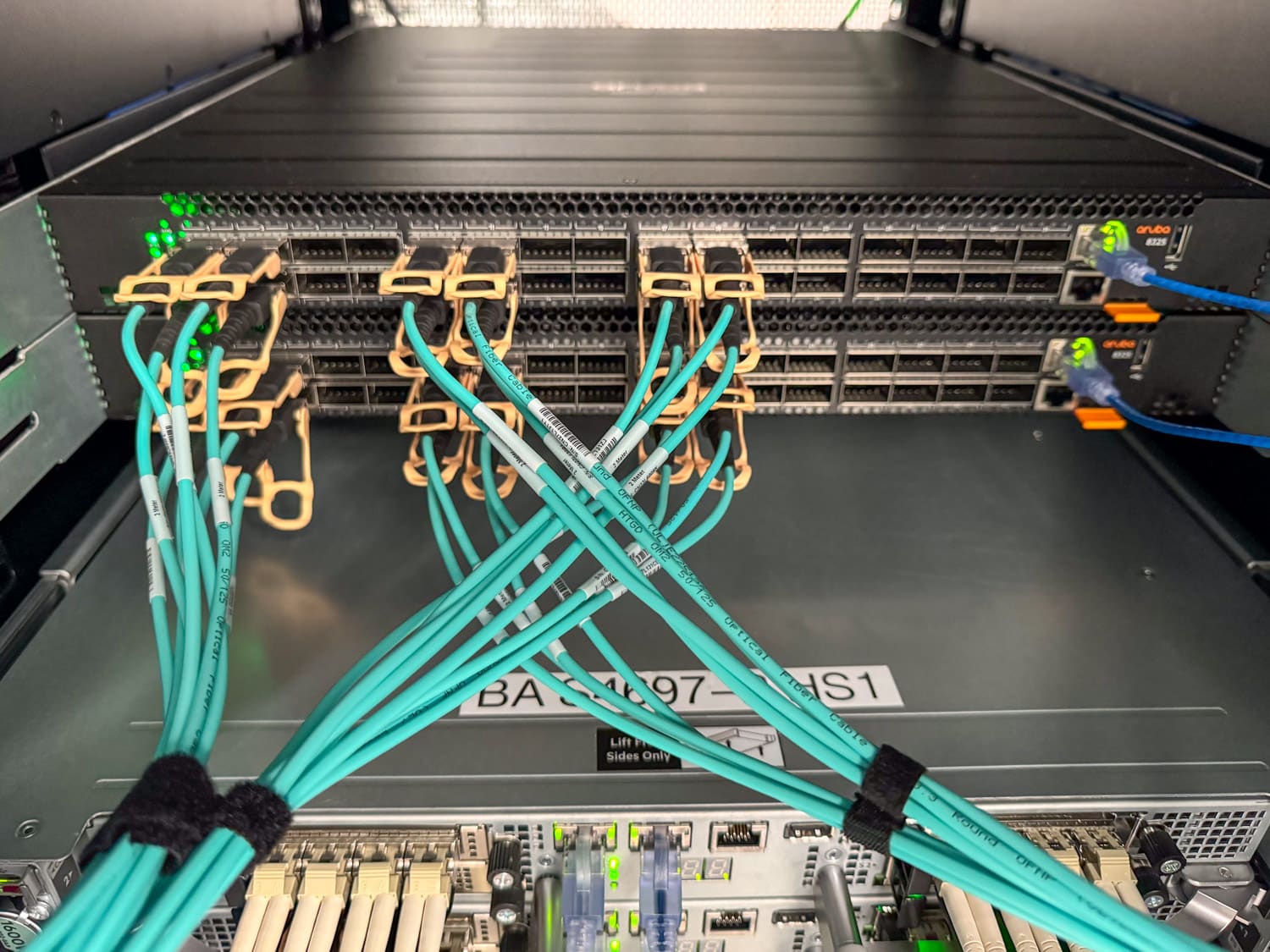
New snapshot integrations allow Veeam to drive faster backups and near-instant recovery from Alletra Storage MP, which is especially relevant for large-scale databases and latency-sensitive applications. The roadmap includes reference architectures that define how to achieve end-to-end immutability across the HPE Alletra Storage MP portfolio.
That focus on immutability is positioned as a key control for ransomware and data loss protection. By combining snapshot-based protection, immutable backup targets, and integrated recovery workflows, the joint solution aims to set a higher baseline for cyber-resilient data protection on Alletra platforms.
Data Resilience by Design: Joint Services and Maturity Analysis
Beyond products, HPE and Veeam are introducing joint services that formalize data resilience as a design principle rather than an afterthought.
The first offering, the Data Resilience and Security Posture Workshop, is designed to help organizations assess current protection strategies, identify weaknesses, and map improvements against HPE’s cybersecurity portfolio and reference architectures. This service aligns technology selection with risk profiles and regulatory requirements.
The second, Disaster Recovery Capability Maturity Analysis, uses the Veeam Data Resiliency Maturity Model (DRMM) to evaluate an organization’s current disaster recovery capabilities. The analysis benchmarks processes, technology, and governance, then provides a roadmap to advance maturity. This is particularly relevant for enterprises that have multiple backup tools, inconsistent runbooks, or untested DR plans.
Together, these services move the partnership beyond point integrations and toward a more prescriptive model that guides customers in architecting, implementing, and validating resilient data protection across hybrid and multi-cloud environments.
Strategic Outlook
The deeper integration between Veeam and HPE reflects a shared view of data protection as a foundational layer for hybrid cloud and modern applications. Veeam provides a mature, flexible data platform, while HPE offers private cloud, storage, and cybersecurity frameworks that anchor these capabilities within enterprise infrastructure.
For technical buyers and solution architects, the combined portfolio offers a more integrated path to:
- Protect VMs, containers, and modern applications across on-premises and cloud
- Improve backup and recovery performance while driving down storage consumption
- Strengthen cyber resilience with immutable architectures and formalized maturity assessments


 Amazon