StorageReview.com
Enterprise  ◇  SSD

Samsung SM863 SSD Review

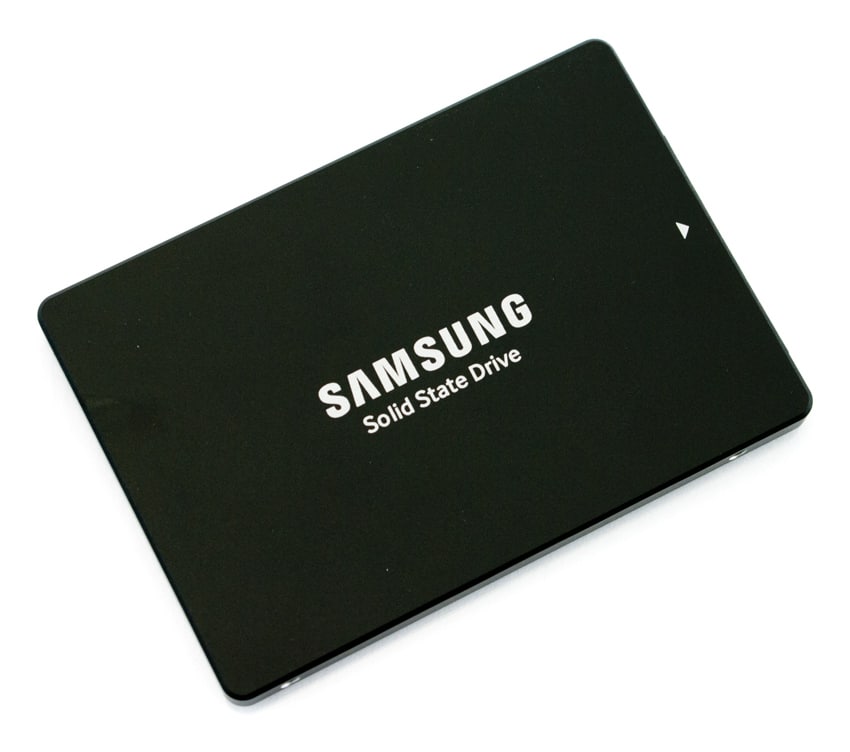
Samsung’s latest enterprise SATA SSDs are its two new lines, the PM863 and SM863. The SM863 is built all in-house at Samsung using all Samsung components. The SM863 is designed more for write intensive applications, where as the PM863 is designed more for read-intensive applications. The SM863 utilizes Samsung’s V-NAND technology giving the SSD higher density

Enterprise  ◇  SSD

Samsung PM863 SSD Review

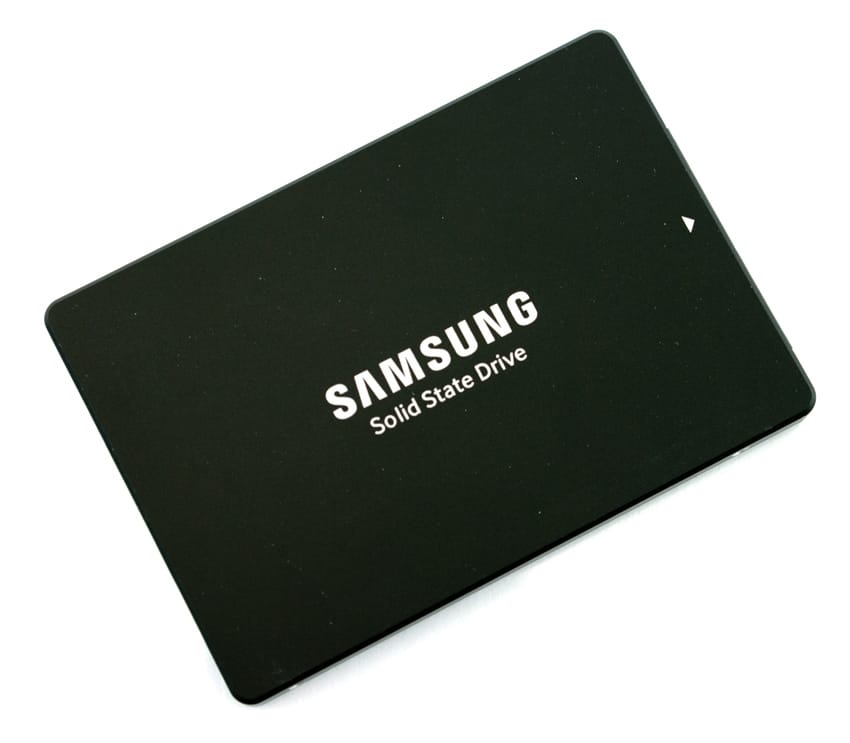
The Samsung PM863 SSD line is the company’s latest enterprise SATA drive designed to offer consistent performance for data centers and server data storage use cases. Released alongside the SM863, the PM836 works best for read-intensive applications including streaming services, content delivery networks, web servers, and cloud services, while the SM863 is designed more for write

Enterprise  ◇  SSD

Mangstor MX6300 NVMe SSD Review

The Mangstor MX6300 is a Full Height, Half Length SSD that uses NVMe interface. The MX6300 comes in three capacities: 2.0TB, 2.7TB, and 5.4TB. The drive leverages enterprise MLC NAND and can be placed in x86 server PCIe slots. Using NVMe and MLC NAND gives the MX6300 tremendous performance benefits. Mangstor claims the drive can

Enterprise  ◇  SSD

Toshiba PX04S Enterprise SSD Review

The Toshiba PX04S Series is a third generation enterprise SAS SSD. The PX04S Series are 2.5”, 15mm SSDs with the largest capacity currently available of any 12Gbps SSD, at 3.84TB. The Toshiba PX04S family is comprised of 4 different models that cater to specific needs. There is a High-Endurance, Mid-Endurance, Value-Endurance, and Read Intensive model.

Enterprise  ◇  SSD

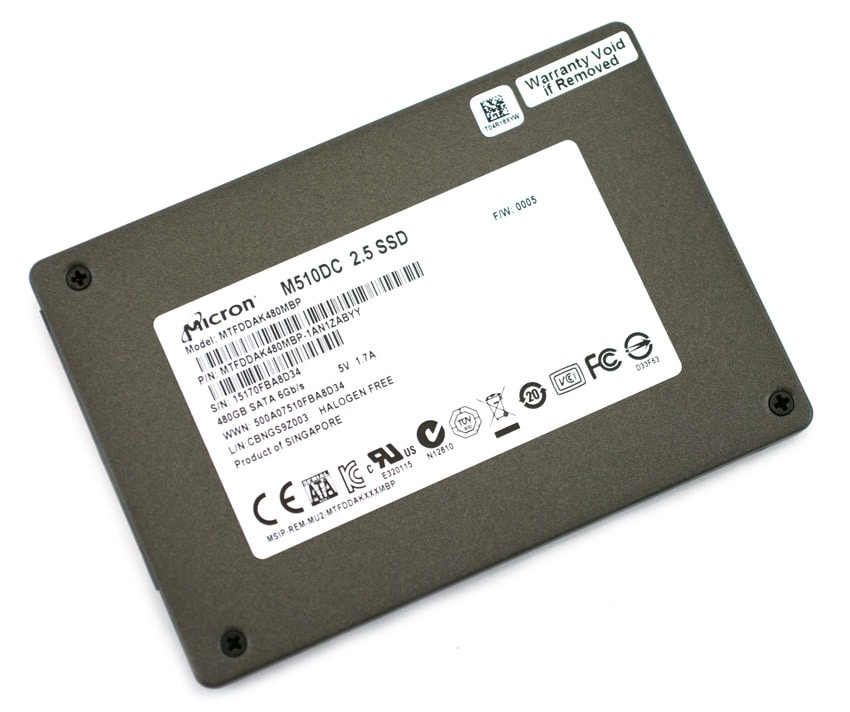
Micron M510DC SSD Review

The Micron M510DC SSDs are built for optimization during read-heavy workloads including content delivery and virtualization, fitting alongside (and not replacing) the existing M500DC line. This new line of light enterprise drives are based off of proven technology designed to hit low price points rather than delivering blistering performance. As such, the M510DC SSDs fit a very important demographic

Enterprise  ◇  SSD

Intel SSD 750 Review

The Intel 750 series is a high performance SSD with NVM Express technology for use in workstations and client PC storage devices. It is designed for improved multi-core platform performance, low latency and Quality of Service. Through the use of its coupled PCIe and NVMe technology, it minimizes idle processor time while delivering a significant

Enterprise  ◇  SSD

SanDisk CloudSpeed Eco Review

The SanDisk CloudSpeed Eco launched in March of last year as part of the consolidation and rebranding of their line of SATA enterprise SSDs. The enterprise SATA family includes four models covering the gamut of use case needs. For its part, the CloudSpeed Eco is designed for the popular entry-enterprise category, which comprises mostly read-intensive

Enterprise  ◇  SSD

Toshiba HG6 SSD Review

The Toshiba HG6 is a dual entry-enterprise and enterprise client SSD that is designed for high-performance, high reliability, and power efficiency for OEM systems. Available in capacities up to 512GB, the Toshiba HG6 SSD is offered in the five standard form factors (2.5" 7.0mm, 2.5" 9.5mm, mSATA, M.2 2280-D2 Double-Sided, and M.2 2280-S2 Single-Sided), allowing the

Enterprise  ◇  SSD

Toshiba HK3R2 Review

The Toshiba HK3R2 series is the company's new line of high-performance enterprise SSDs and direct successor to the HK3R eSSD family. Specifically designed for read intensive workloads, the HK3R2 has a maximum capacity of 960GB in a 2.5" form factor, supports a SATA 6Gb/s interface and leverages Toshiba's second-generation A19nm MLC NAND. The HK3R2 also features vital enterprise functionality, including full power

Consumer  ◇  SSD

Selecting the Best Samsung SSD for Intensive Desktop Workloads

There are many choices when buying flash to accelerate intensive desktop-oriented workloads like those for media and entertainment (M&E), oil and gas research, CAD and more. It's not always obvious though where to justify the expense when it comes to figuring out capacity vs performance vs form factor. We took the HP Z620 and Samsung's line