

NVIDIA and MediaTek announced a significant expansion of their strategic collaboration, covering enterprise AI infrastructure, edge computing, client PCs, and automotive platforms. Backing the initiative, NVIDIA has invested $3.5 billion in MediaTek-issued convertible bonds. The technical partnership centers on MediaTek integrating the NVIDIA NVLink Fusion platform to provide hyperscalers, cloud service providers, and frontier model developers with a pre-validated framework for designing custom accelerators (XPUs) that can drop directly into NVIDIA rack-scale AI environments.

Leadership from both companies framed the expanded alliance around convergence across compute domains. NVIDIA founder and CEO Jensen Huang pointed to the requirement for accelerated computing to scale from massive data centers down to personal systems and software-defined vehicles, citing MediaTek’s expertise in system-on-chip design, connectivity, and performance per watt. MediaTek Vice Chairman and CEO Rick Tsai noted that combining MediaTek’s custom silicon design capabilities with NVIDIA’s accelerated compute stack and software ecosystem will accelerate innovation for customers across cloud AI infrastructure, local AI computing, and automotive.
Custom Silicon Design on the NVLink Fusion Platform
Developing semi-custom AI accelerators for rack-scale deployments introduces significant engineering hurdles around high-speed SerDes, interconnect topologies, High Bandwidth Memory (HBM) integration, multi-die advanced packaging, and system-level thermal and mechanical qualification. Rather than requiring customers to engineer these underlying interconnects and packaging layers from scratch, MediaTek is adopting NVLink Fusion as a modular design blueprint.
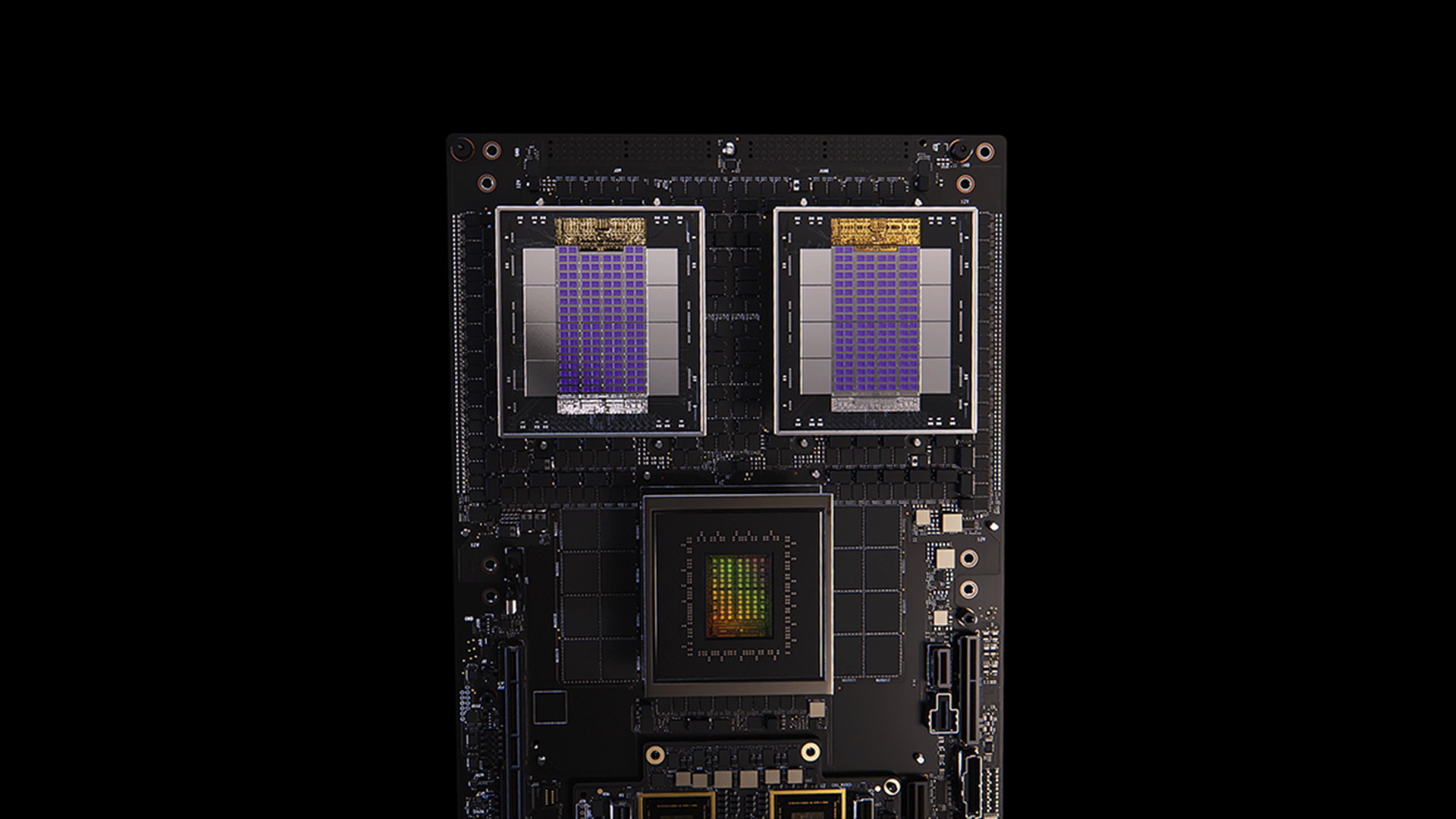
The NVLink Fusion architecture provides a standardized, prequalified multi-die foundation that includes several primary subsystem technologies. The NVIDIA NVLink Fusion chiplet establishes direct links between custom XPUs and the broader NVLink scale-up fabric using NVIDIA photonics or electrical interconnects. To support coherent, low-latency inter-chip communications, NVIDIA NVLink-C2C provides high-bandwidth, energy-efficient die-to-die connectivity between customer XPUs, NVIDIA Rosa CPUs, and other compatible processing units. On the memory side, NVIDIA NVHBM integrates customized memory interfaces to expand available bandwidth and improve power efficiency while reserving more die area for active compute engines.
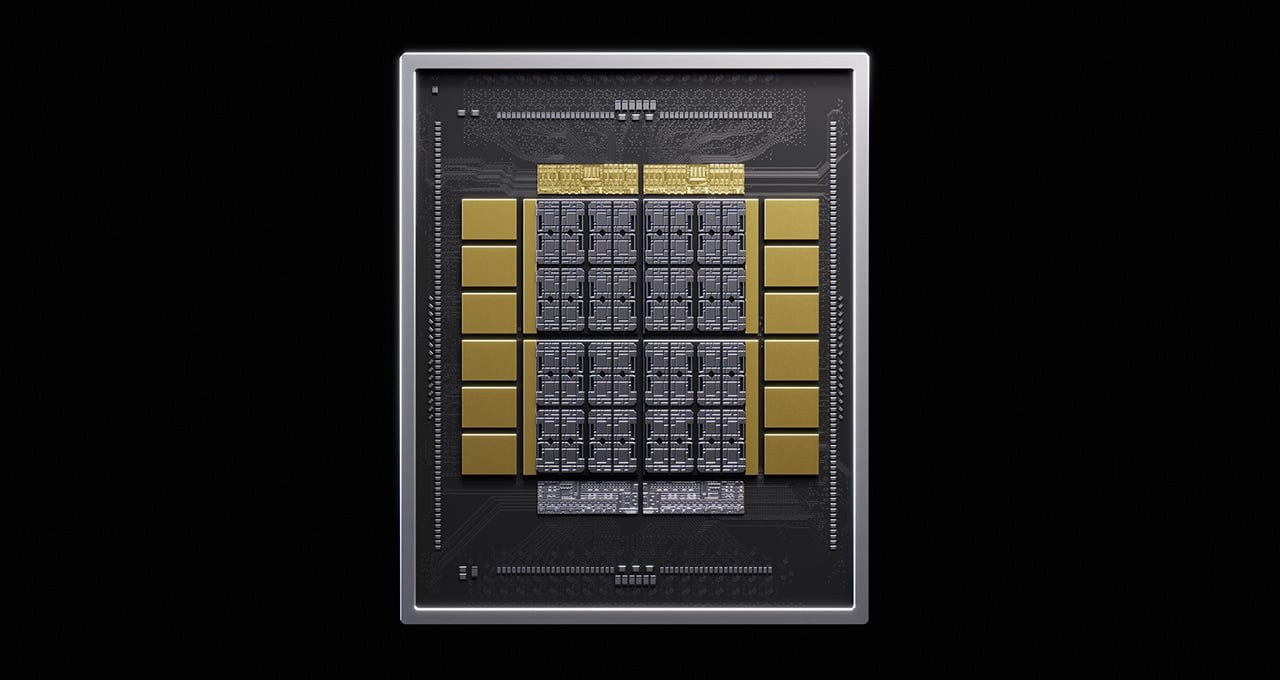
Through this framework, enterprise customers can bring proprietary processing architectures to MediaTek to tailor specific performance profiles, memory densities, and power targets to their target workloads. In turn, MediaTek manages the complex packaging, physical implementation, and supply-chain logistics required to manufacture multi-die packages. These custom XPUs can then interface with NVIDIA MGX modular rack-scale architectures and scale-out networking fabrics, significantly reducing development risk and shortening time-to-market for specialized AI factories.
Scaling Client Compute and Automotive Platforms
Beyond data center infrastructure, the partnership addresses local client compute for generative and agentic AI workloads. The companies previously collaborated on the GB10 Grace Blackwell Superchip, which links an NVIDIA Blackwell GPU with an ARM-based Grace CPU via NVLink-C2C to power the NVIDIA DGX Spark platform for developer and edge environments. That work is extending into client systems through NVIDIA RTX Spark, which the companies say will power the next generation of consumer PCs built for the AI era, alongside the GB10-based DGX Spark that pairs a Blackwell GPU and Grace CPU over NVLink-C2C.
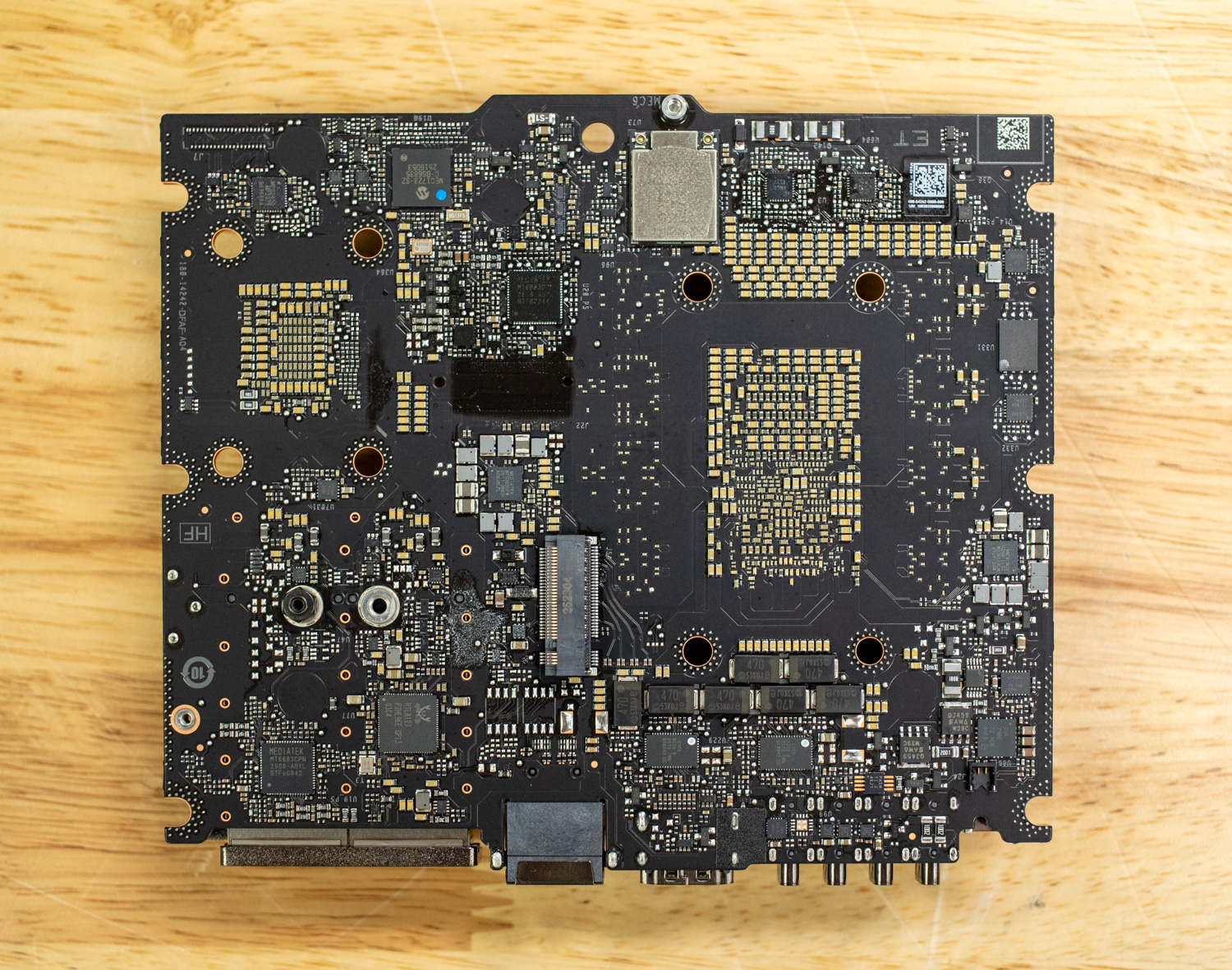
In the automotive sector, the collaboration spans multiple product generations of AI-powered, software-defined vehicles. MediaTek’s Dimensity Auto platforms integrate NVIDIA AI and RTX graphics for intelligent vehicle cockpits and can operate alongside NVIDIA DRIVE AGX, with both companies building on that foundation toward a scalable architecture for increasingly intelligent, AI-defined vehicles.


 Amazon