

Kicking off Dell Technologies World, Dell announced an expansion of the Dell AI Factory with NVIDIA. This broad update targets a familiar enterprise problem: moving AI projects from pilot to production. Across three related announcements, Dell is introducing new local agentic AI systems, expanding its AI data and infrastructure stack, and widening its partner ecosystem. The company is also highlighting Mistral AI as both a user of Dell AI Factory infrastructure and a deeper software partner for enterprise deployments.
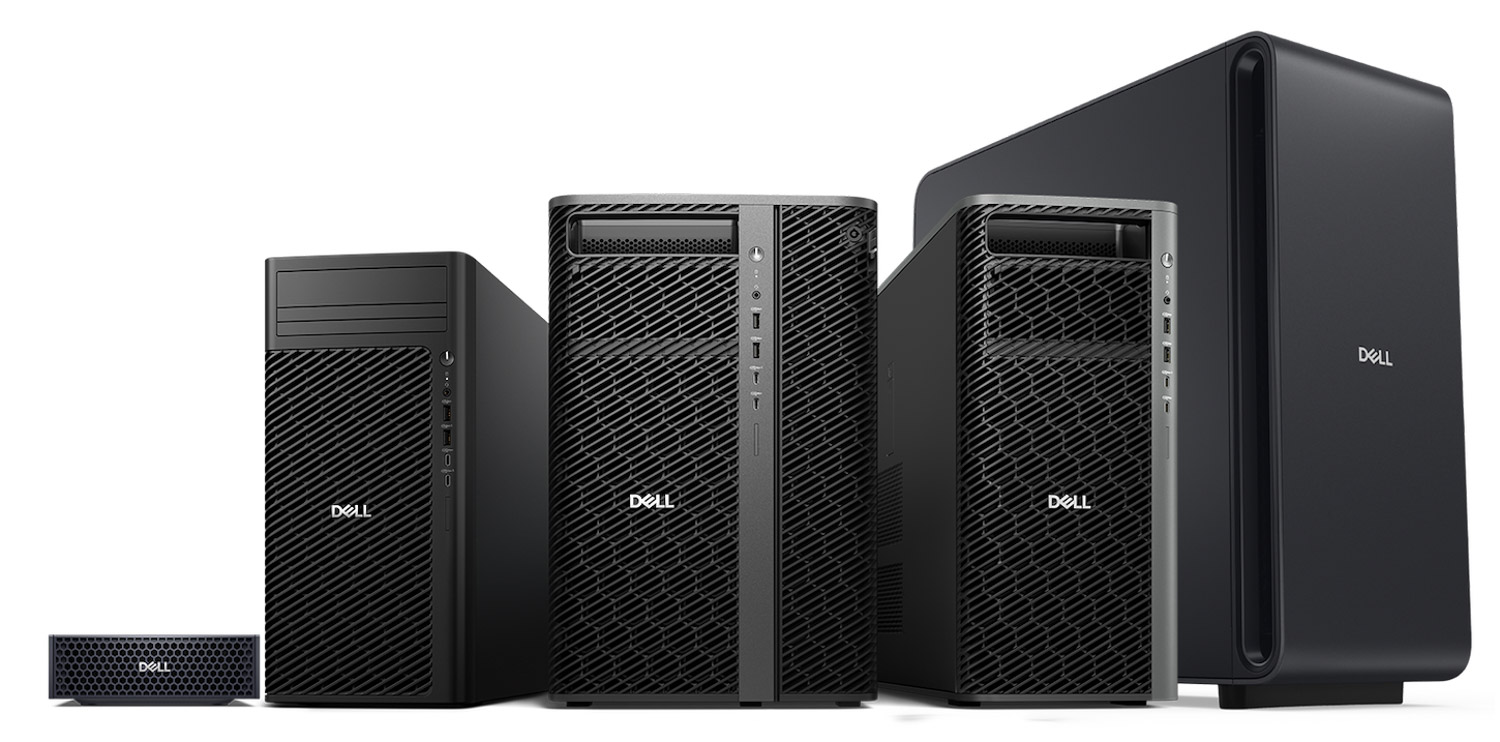
The most immediate product addition is Dell Deskside Agentic AI, a local deployment option aimed at teams that want to run agentic AI workflows without relying entirely on public cloud inference. Dell positions the offering around cost control, lower latency, and data sovereignty, particularly for software engineering, research, and regulated environments. The stack combines Dell workstations with NVIDIA software, including the NemoClaw reference stack and OpenShell runtime, so enterprises can build, run, and govern autonomous agents on systems that store data on-premises or at the edge.
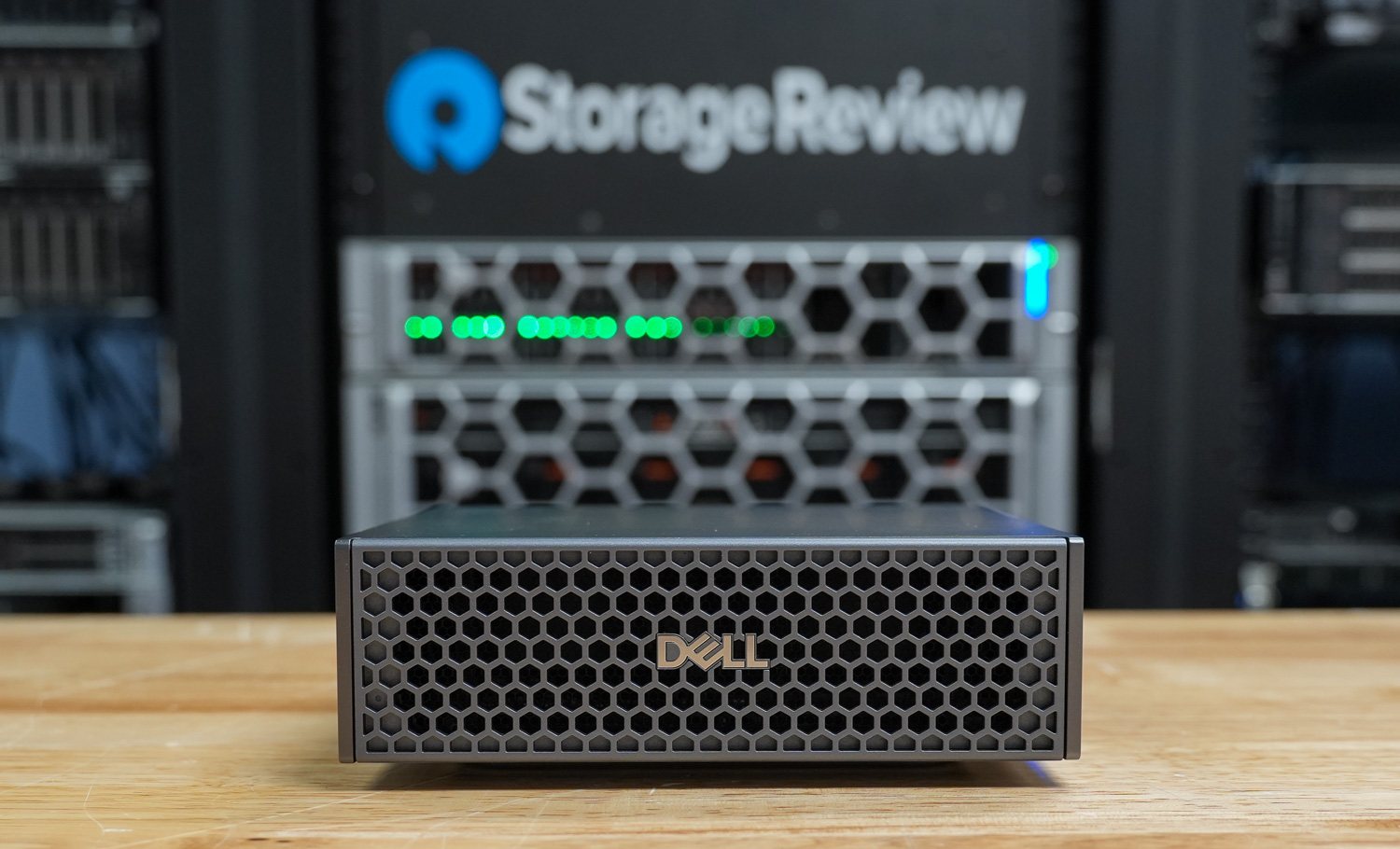
Dell is sizing the deskside offering across several hardware tiers. At the low end, the Dell Pro Max with GB10 is intended for smaller-scale prototyping, with models starting at around 30 billion parameters.
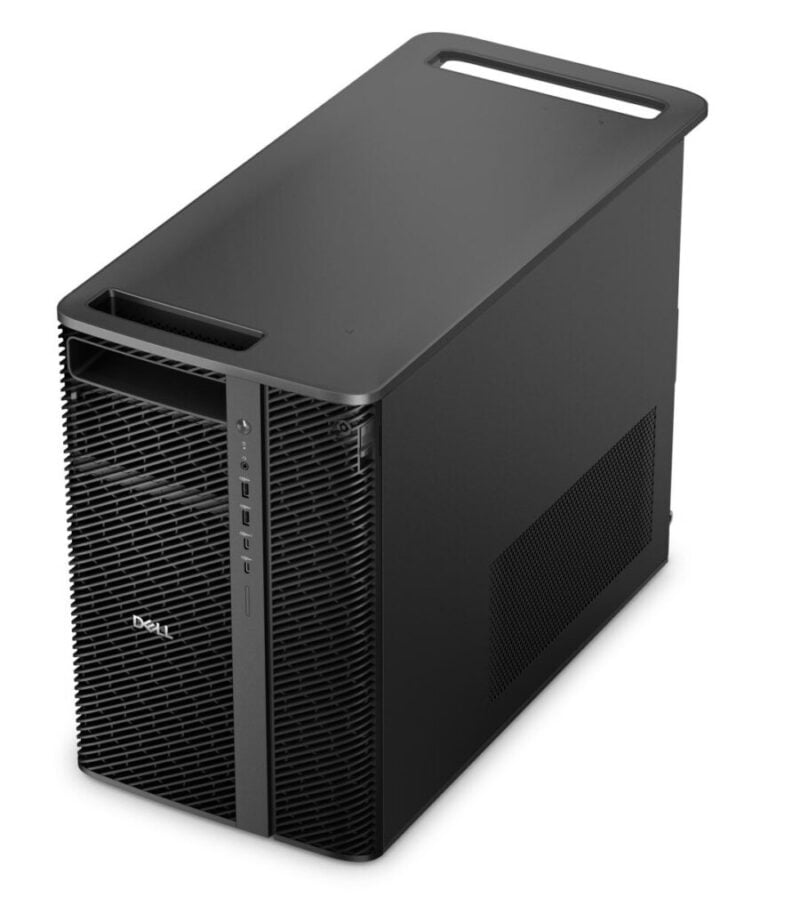
The Dell Pro Precision 9 workstation tower targets heavier enterprise workloads with Intel Xeon 600 processors and supports up to five NVIDIA RTX PRO Blackwell Workstation Edition GPUs, covering models up to 500 billion parameters. At the high end, Dell Pro Max with GB300 is positioned for inference on much larger frontier-class models, ranging from roughly 120 billion to 1 trillion parameters. Dell says the economics are a key part of the pitch, with some deployments potentially breaking even against public cloud API costs in as little as three months.
NVIDIA OpenShell Rollout Across Dell AI Factory with NVIDIA
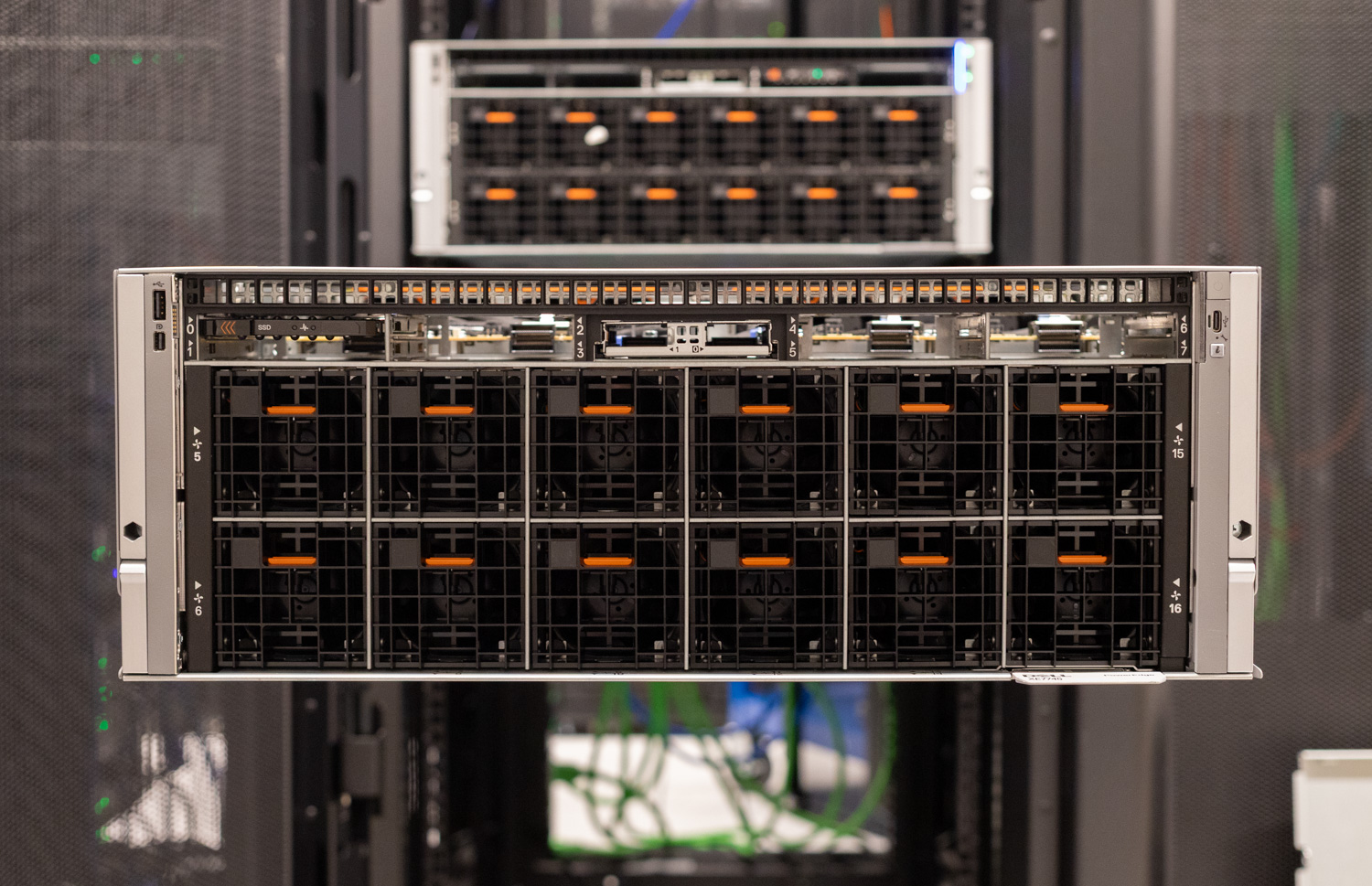
A related architectural change is the broader rollout of NVIDIA OpenShell across the Dell AI Factory. That gives Dell a single runtime and policy layer spanning from deskside workstations to Dell PowerEdge XE servers, with support for Canonical Ubuntu and Red Hat AI. Dell is also promoting the Dell-NVIDIA AI-Q 2.0 Reference Architecture, powered by the Dell AI Data Platform, as a production-ready multi-agent workflow foundation for sectors such as financial services, manufacturing, and public-sector environments that require tighter control over data and operations.
The data platform updates are just as important as the compute announcements. Dell is adding new orchestration and search capabilities that index large volumes of unstructured enterprise data and organize them into governed pipelines for AI training, retrieval, and analytics. The company is also introducing the Dell Data Analytics Engine, powered by Starburst, to bring GPU-accelerated SQL analytics to the platform on NVIDIA Blackwell, with future support planned for NVIDIA Vera CPU platforms.
On the storage side, the new Dell ObjectScale X7700 increases density versus the prior generation and is designed to reduce infrastructure overhead for large AI datasets. Dell also plans to provide future support for 245TB all-flash drives, which would significantly increase flash density. Another notable integration connects Dell storage and search engines to NVIDIA Omniverse libraries, enabling enterprises to feed digital-twin and physical-AI workflows with better-organized object data and vector-based asset discovery.
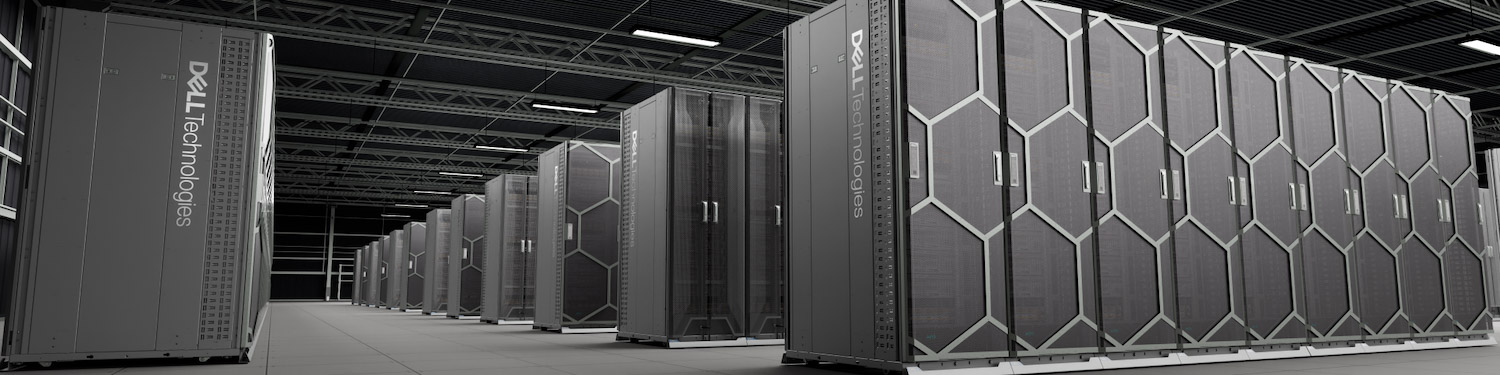
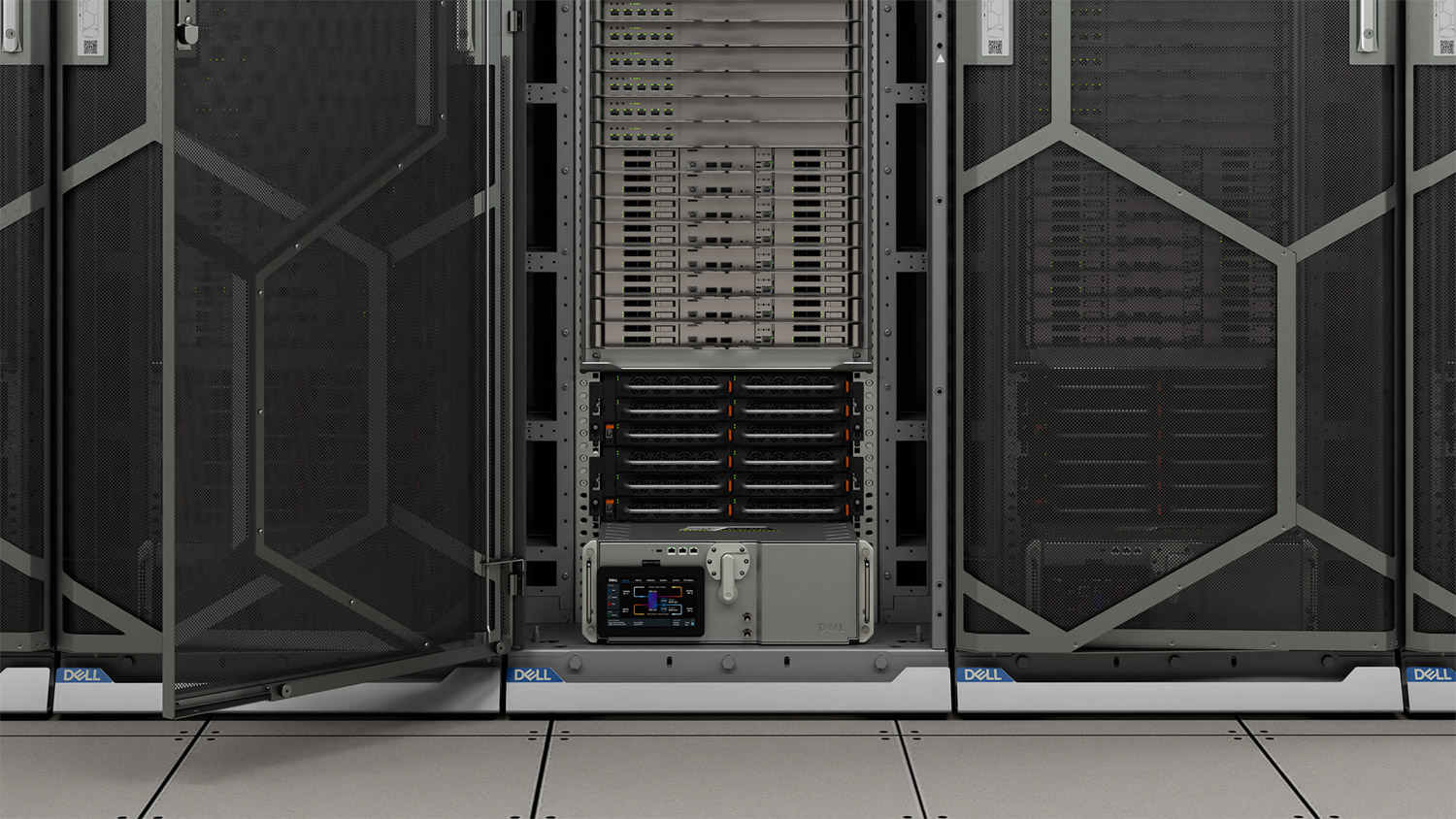
On the infrastructure side, Dell is extending its rack-scale strategy with Dell PowerRack, which packages compute, networking, storage, power, cooling, and management into an integrated system. Dell is also folding PowerFlex into its Exascale storage architecture, providing the rack design with support for block, file, and object storage via PowerFlex, PowerScale, Lightning File System, and ObjectScale. For workstation-class performance in the rack, Dell is adding the Dell Pro Precision 7 R1, a 1U system with NVIDIA RTX PRO Blackwell Max-Q Workstation Edition GPUs and up to 64TB of storage. Updated releases of Dell Integrated Rack Controller and OpenManage Enterprise extend rack-level capabilities. At the same time, the new PowerCool CDU C7000 is designed to meet the cooling demands of next-generation NVIDIA platforms in a compact rack-mount form factor.
Dell is also widening the software and model layer around the AI Factory. A new Dell AI Ecosystem Program provides software vendors with a validation path to run on Dell AI Factory infrastructure. Dell is pairing that with a series of partner integrations that reinforce its on-premises AI message. Those include:
- Google Distributed Cloud with Gemini 3 Flash models on Dell PowerEdge XE9780 servers
- Dell Enterprise Hub on Hugging Face for curated open-weight models
- Palantir Foundry and AIP on-premises on Dell storage infrastructure
- Reflection open-source frontier models, and additional integrations tied to ServiceNow, security vendors, and catalog-based deployment options.
Dell also said new validated solutions for agentic AI with Mistral, computer vision, immersive AI, and code assistants will be available through its automation platform catalog.
Mistral AI plays a dual role in these announcements. First, Dell says Mistral AI is using Dell AI Factory with NVIDIA infrastructure to support its own LLM training and deployment environment. That deployment includes liquid-cooled Dell PowerRack systems with Dell PowerEdge XE9712 servers and NVIDIA GB200 NVL72 rack-scale infrastructure, delivered as a fully integrated environment through Dell Professional Services. Second, Dell and Mistral are expanding their partnership so that selected Mistral language and reasoning models, along with orchestration tools, will be available on the Dell AI Factory. The practical takeaway is that Dell wants enterprises to see the platform not only as infrastructure for AI workloads, but also as a controlled delivery vehicle for open-weight and enterprise-tuned models that can run inside customer environments.
The release cadence varies by product. Dell Deskside Agentic AI, NVIDIA OpenShell support, NVIDIA AI-Q 2.0 for Dell AI Factory, and the Dell-NVIDIA AI-Q 2.0 Reference Architecture are available now. Other updates arrive over a longer window, including Data Orchestration Engine with MetadataIQ in Q2 2026, the Pro Precision 7 R1 in July 2026, PowerRack networking in September 2026, and the Data Analytics Engine with Starburst in Q1 2027.
Overall, Dell is pushing the AI Factory beyond GPU infrastructure to a broader enterprise platform that spans local agentic AI, data preparation, rack-scale systems, and validated software partnerships. The common thread is straightforward: Dell is betting that enterprises want AI stacks they can control operationally, secure locally, and scale without having to rebuild around public cloud economics.


 Amazon